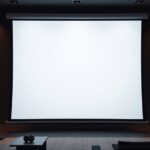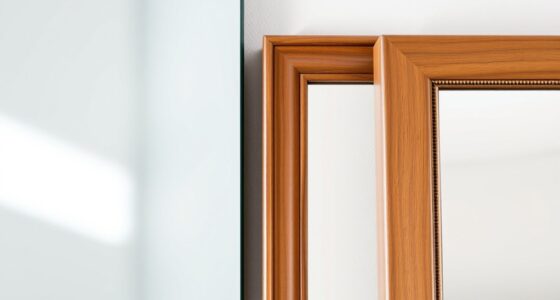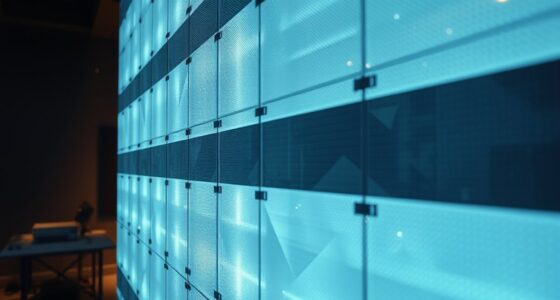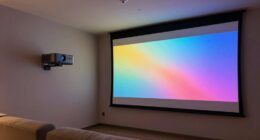

Ambient Light Rejecting (ALR) screens are designed to block or reflect ambient light away from your viewing area, making your projected images appear brighter, sharper, and more vibrant even in well-lit rooms. They use special surface finishes, optical coatings, and microstructures to reduce glare and reflections, improving contrast and color accuracy. This means you can enjoy high-quality visuals without dimming the lights. Keep exploring to discover how these screens can transform your viewing experience in any environment.
Key Takeaways
- ALR screens reduce glare and reflections from ambient light, improving visibility in bright environments.
- They use specialized coatings and surface geometries to direct projected light toward viewers.
- The textured or matte surface absorbs or scatters ambient light, enhancing contrast and color accuracy.
- ALR screens maintain image brightness and vibrancy without dimming room lighting.
- They are ideal for settings where controlling ambient light is difficult, providing clearer, sharper images.
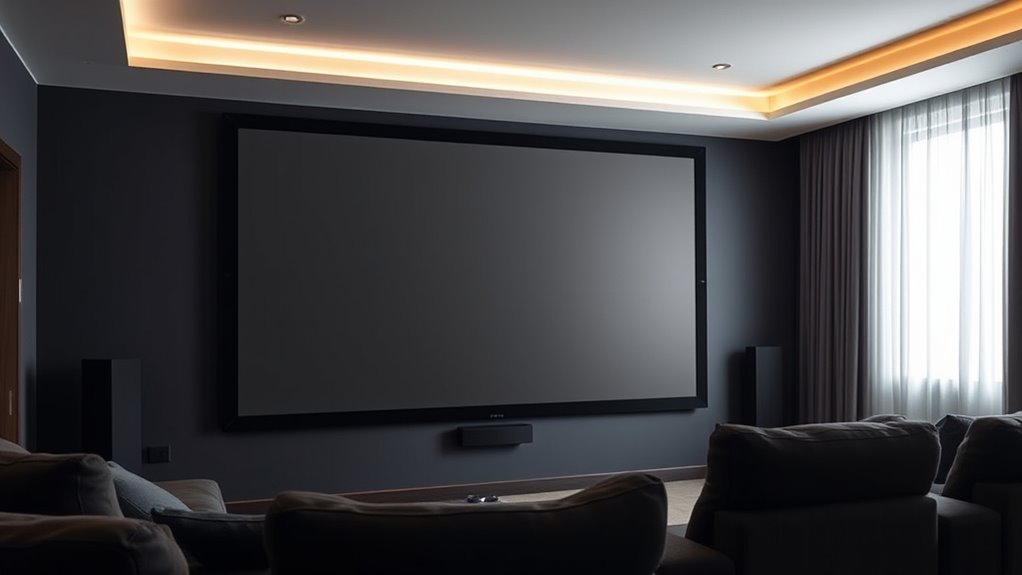
Ambient light rejecting screens are designed to improve your viewing experience by minimizing glare and reflections from ambient light sources. When you’re trying to watch a movie or give a presentation in a well-lit room, ambient light can wash out images, reduce contrast, and make it difficult to see details clearly. That’s where ALR screens come in—they help you enjoy vivid, sharp visuals without needing to dim the lights or darken the room. These screens are engineered specifically to combat the effects of ambient light, ensuring your content remains bright and vibrant no matter the lighting conditions.
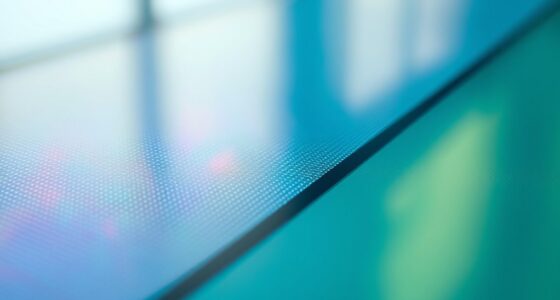
Understanding how these screens achieve their performance requires a look at the underlying projection technology and screen materials. ALR screens utilize specialized projection technology that incorporates unique optical coatings and surface geometries. These coatings are designed to direct projected light straight toward your eyes while reflecting or diffusing ambient light away from the viewing area. This selective light management makes the projected image pop with higher contrast and color accuracy, even in brightly lit environments. The surface geometry, often consisting of microstructures or optical fibers embedded into the screen material, further enhances this effect by controlling light reflection. The combination of advanced projection technology and innovative screen materials results in a surface that actively filters out unwanted reflections, which would otherwise diminish picture quality.
The screen materials used in ALR screens are carefully chosen to optimize their light-rejecting capabilities. Typically, these materials feature a matte or textured finish that scatters ambient light, preventing reflections from bouncing directly back to your eyes. This texture helps to absorb or redirect ambient light sources—like lamps, sunlight, or ceiling lights—away from your line of sight. Furthermore, high-quality ALR screens are constructed with layers that contain optical films or coatings specifically designed to enhance contrast ratios. These layers work in tandem with the projection technology to keep the image crisp and clear, regardless of the environment. The choice of screen material also affects the viewing angle, ensuring that even viewers seated off-center still get a good picture without glare or color distortion.
Frequently Asked Questions
How Do ALR Screens Impact Color Accuracy?
ALR screens can slightly reduce color fidelity because their primary goal is to block ambient light, which can affect how colors appear. This may lead to a slight decrease in image saturation, making colors look less vibrant compared to a standard screen in perfect lighting. However, high-quality ALR screens are designed to minimize this impact, so you still get sharp, vivid images while reducing glare and reflections.
Are ALR Screens Suitable for Outdoor Environments?
Is an ALR screen a knight in shining armor for outdoor use? While it offers impressive weather resistance and installation flexibility, most ALR screens are designed for controlled indoor environments. Bright sunlight and harsh weather can still pose challenges, making them less ideal outside. You might consider specialized outdoor screens instead, but if you choose an ALR, be prepared for potential compromises in performance under extreme conditions.
Can ALR Screens Be Used With Touch-Enabled Projectors?
Yes, you can use ALR screens with touch-enabled projectors. They support interactive features, allowing you to write or navigate directly on the screen. Just consider installation considerations like ensuring compatibility between the projector’s touch capabilities and the ALR surface. Make sure the screen’s surface doesn’t interfere with touch sensitivity, and position the projector correctly for best image quality and responsiveness during interactive sessions.
What Is the Lifespan of an ALR Screen?
An ALR screen typically lasts around 10 to 20 years, depending on durability factors like material quality and usage conditions. To guarantee longevity, you should avoid direct sunlight, keep the surface clean with gentle wipes, and handle it carefully during installation or movement. Regular maintenance tips, such as avoiding abrasive cleaners and monitoring for dust buildup, help preserve the screen’s performance over time, extending its lifespan considerably.
How Do ALR Screens Compare to Matte Screens?
Compared to matte screens, ALR screens are like sunglasses for your projector, offering better ambient contrast and glare reduction. They’re designed to reject ambient light, making images sharper and colors more vivid, even in bright rooms. Matte screens diffuse light, reducing glare but often dulling picture quality. So, if you want clearer images with less glare, ALR screens outperform matte options, especially in well-lit environments.
Conclusion
In summary, ambient light rejecting screens skillfully suppress stray glare, giving you greater glare-free gratification. By balancing brightness and boosting contrast, these screens brighten your viewing experience regardless of surrounding sunlight. With their innovative design and effective elimination of external interference, you can confidently customize your cinematic or presentation space. So, step into a world where screens suppress glare, shine bright, and showcase stunning visuals seamlessly—making your viewing experience simply spectacular, no matter the lighting!