
To set up your outdoor home theater, choose weatherproof equipment with high IP ratings, ensuring durability against rain and dust. Position your speakers strategically around the yard for balanced sound and use outdoor-specific cables and enclosures for safety. Calibrate your system for clear audio and minimize sound leakage with proper placement. Keep equipment protected with covers when not in use. For more tips on creating a reliable, immersive outdoor viewing experience, explore further guidance below.
Key Takeaways
- Choose weatherproof, IP-rated outdoor speakers and displays to withstand rain and temperature changes.
- Strategically position speakers around the yard for balanced sound and clear dialogue.
- Properly calibrate audio settings and place obstacles to reduce sound leakage and improve clarity.
- Use weather-resistant enclosures, covers, and conduits for cables to protect equipment from the elements.
- Plan power sources carefully, utilizing outdoor extension cords and cable management solutions for safety and durability.
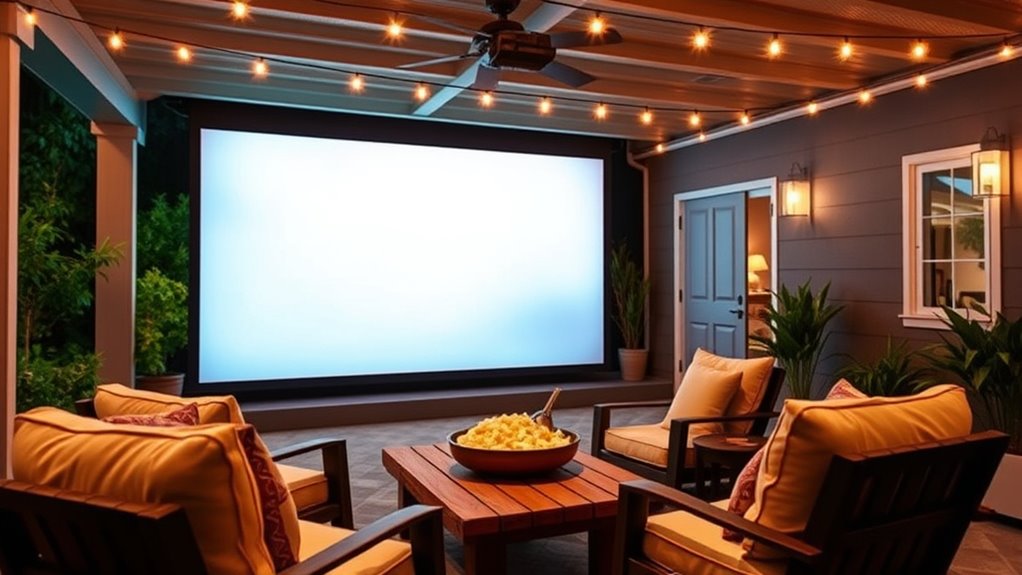
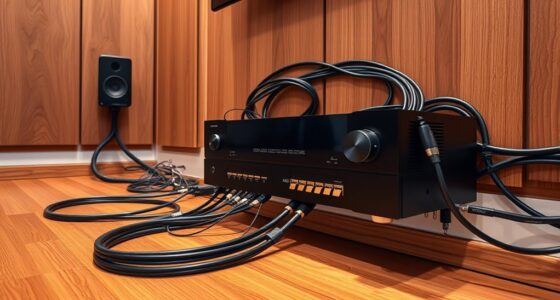
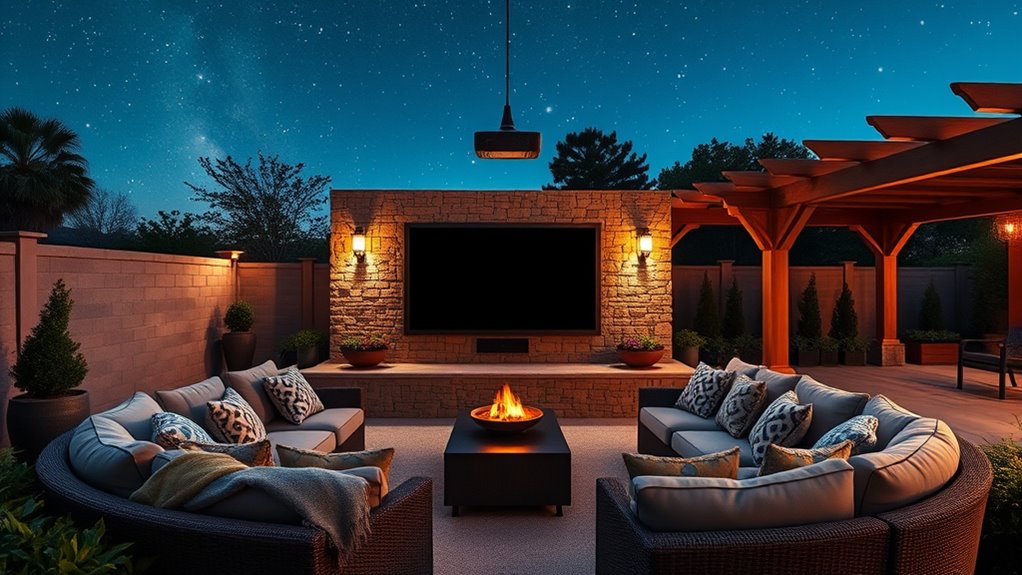
Have you ever imagined transforming your backyard into a personal movie theater? If you’re passionate about creating an outdoor setup that rivals your local cinema, paying attention to sound quality is vital. Clear, immersive audio can make all the difference in elevating your outdoor experience. To achieve this, you’ll want to invest in weatherproof equipment designed specifically for outdoor use. Weatherproof speakers are built to withstand rain, humidity, and temperature fluctuations, ensuring your sound system stays reliable year-round. Placing speakers strategically around your yard creates a balanced, surround-sound effect that pulls viewers into the movie. Elevated or wall-mounted speakers can help direct sound toward your seating area, reducing echoes and enhancing clarity. Additionally, wireless or Bluetooth speakers give you flexibility in positioning and ease of setup, but always make certain they’re weatherproof to prevent damage from the elements. Quality sound isn’t just about the equipment; it’s also about how you set it up. Properly calibrating your sound system will help you avoid muddiness or imbalance, making dialogue clear and audio effects punchy. Using outdoor-specific sound dampening materials or placing obstacles strategically can minimize sound leakage and improve overall quality. When it comes to weatherproof equipment, choosing products specifically designed for outdoor environments saves you headaches down the line. Look for IP-rated devices, which indicate resistance to water and dust, ensuring your equipment remains functional even during unexpected rain showers. Investing in durable, weatherproof gear may cost more initially, but it guarantees longevity and consistent performance. It’s also wise to protect your equipment with covers or enclosures when not in use, especially during winter months or severe weather conditions. Proper setup involves more than just buying the right gear; you need a plan for power sources, cable management, and safety. Use outdoor extension cords and cable covers to prevent tripping hazards and protect wiring from moisture. Position your equipment away from direct exposure to sunlight or heavy rain, and consider running cables through conduits for added protection. Making sure your sound system is both weatherproof and properly calibrated will give you peace of mind and a richer outdoor movie experience. Additionally, selecting dog-friendly equipment ensures your furry friends remain safe and comfortable during movie nights. With careful planning and quality equipment, your backyard can become an outdoor oasis where every movie night feels like a special event. The right combination of high-quality sound and weatherproof gear transforms your space into a durable, immersive outdoor home theater that’s ready for all seasons.

Denon AVR-X1700H 7.2 Channel AV Receiver - 80W/Channel, Advanced 8K HDMI Video w/eARC, Dolby Atmos, DTS:X, Built-in HEOS, Amazon Alexa Voice Control
HIGH-PERFORMANCE 7-CHANNEL AMPLIFIER WITH NEXT-GEN MOVIE IMMERSION - Enjoy Denon sound in movies, games, and music with full...
As an affiliate, we earn on qualifying purchases.
Frequently Asked Questions
How Do I Prevent Outdoor Equipment From Weather Damage?
To prevent weather damage, you should use protective covers and weatherproof enclosures for your outdoor equipment. Make sure to cover your projector, speakers, and electronics when not in use, especially during rain or snow. Regularly check these covers for tears or wear. Additionally, choose equipment designed for outdoor use or install weatherproof enclosures to guard against moisture, UV rays, and temperature fluctuations, ensuring your setup stays protected year-round.
What’s the Best Way to Hide Wires Outdoors?
Imagine your outdoor setup as a secret garden where hidden pathways keep everything neat. To hide wires outdoors, use concealed wiring techniques like running cables through garden beds or beneath stepping stones. Opt for weatherproof cables that withstand the elements. You can also bury wiring underground or run it along walls with cable covers. These methods keep your outdoor theater clean and safe, maintaining the magic without exposing your equipment to the elements.
How Do I Ensure Good Sound Quality Outdoors?
To guarantee good sound quality outdoors, focus on strategic speaker placement—position speakers at ear level and angle them toward your seating area. Use soundproofing techniques, like outdoor rugs or barriers, to minimize sound bleed and echoes. Avoid placing speakers near walls or reflective surfaces. Additionally, choose weatherproof speakers designed for outdoor use to maintain sound clarity and durability, creating an immersive experience without disturbing neighbors.
Can I Install Outdoor Theaters Myself?
Yes, you can do a DIY installation if you’re comfortable with basic tools and electronics. Start by carefully selecting the right equipment, like weatherproof speakers and a durable projector. Follow step-by-step guides, and make certain your setup is secure and protected from the elements. With patience and attention to detail, you can successfully install your outdoor theater yourself, saving money and customizing it to fit your space perfectly.
What Lighting Options Enhance Outdoor Movie Experiences?
Lighting transforms your outdoor movie nights into a symphony of ambiance. You should incorporate garden lighting along pathways and around seating areas to create a warm glow, while mood lighting—such as string lights or lanterns—adds a cozy, inviting atmosphere. These options cast a gentle light, ensuring visibility without overpowering the screen. With well-placed lighting, you’ll enhance the cinematic experience and make your backyard feel like a private theater under the stars.

2000 ANSI 4K Decoding Projector with WiFi and Bluetooth, HAPPRUN Movie Home Theater with Auto Focus, 300'' Display for Indoor/Outdoor, Smart Proyector Compatible with Phone/TV Stick/PC/PS5
[EASIER OPERATION: AI Smart Screen Adjustment] HAPPRUN projector comes with auto focus and 6D auto-keystone technology, enjoy a...
As an affiliate, we earn on qualifying purchases.
Conclusion
Now that you’re armed with all the tips and tricks, your backyard theater is practically unstoppable—just remember, nobody’s perfect, especially not your neighbors when you crank up the volume. So, enjoy the big screen under the stars, but maybe keep the popcorn off the roof and the noise to a friendly whisper. After all, what’s a movie night without a little chaos? Happy viewing—your outdoor empire awaits!

Epson Home Cinema 980 3-Chip 3LCD 1080p Projector 4,000 Lumens Color and White Brightness, Streaming/Gaming/ Media Room, Built-In Speaker, Auto Picture Skew, 16000:1 Contrast, 2 HDMI Ports
Exceptional Picture Quality — Provides stunning, detailed 1080p images and fast data processing that’s optimized for fast-action sports,...
As an affiliate, we earn on qualifying purchases.
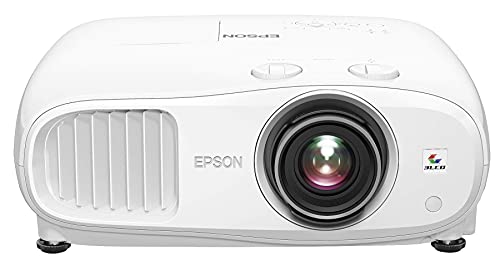
Epson Home Cinema 3800 4K PRO-UHD 3-Chip Projector with HDR
4K PRO-UHD (1) Projection technology — a new type of 4K home theater experience, utilizing advanced technologies for...
As an affiliate, we earn on qualifying purchases.