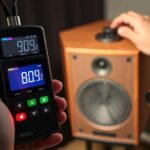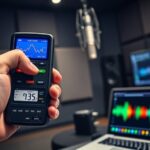

To balance sound levels between your headphones and speakers, start by calibrating each device to a common decibel level using SPL meters or calibration apps. Confirm both are set to similar perceived loudness, and consider room acoustics and device placement. Recheck and adjust regularly to maintain consistent, natural sound and protect your hearing. If you’d like detailed steps on proper calibration techniques, you’ll find helpful tips that can make this process easier.
Key Takeaways
- Use calibration tools or apps to set consistent decibel levels between headphones and speakers.
- Adjust device volume settings while listening to ensure perceived loudness matches across both.
- Calibrate in a quiet environment, considering room acoustics and device placement for accurate balance.
- Regularly re-calibrate to account for changes in devices, environment, or personal hearing sensitivity.
- Maintain safe volume levels during calibration to protect hearing health while achieving balanced sound.
Balancing volume levels between headphones and speakers is vital to safeguard a seamless listening experience and protect your hearing. When switching between these two listening modes, maintaining consistent sound levels prevents sudden loud noises that could cause discomfort or damage. Proper audio calibration is essential here; it involves adjusting your devices so that the sound output feels natural and balanced, regardless of whether you’re using headphones or speakers. Achieving sound level consistency means that you won’t have to constantly readjust the volume each time you switch devices, which makes your listening more comfortable and enjoyable.
To get started, you should calibrate both your headphones and speakers to a common reference point. Many modern devices or audio software offer calibration tools or presets that help you set the volume levels accurately. For example, if your speakers are calibrated to a certain decibel level, your headphones should be set to a comparable level to match that experience. This ensures you’re not listening at a volume that’s too loud on one device or too quiet on another, which can lead to inconsistent sound perception. Proper calibration also helps you identify if your equipment has any issues with sound level consistency, such as uneven frequency response or volume discrepancies.
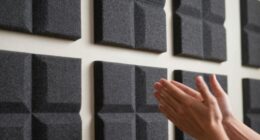
When performing audio calibration, pay attention to the environment as well. Room acoustics can influence how sound is perceived, so adjusting your speaker placement and equalizer settings can help achieve a more accurate balance. For headphones, ensure that the fit is snug and that no external noise leaks in, which can skew your perception of volume. Use consistent measurement tools like SPL meters or calibration apps to verify that the sound levels are aligned. Remember, the goal isn’t just loudness but achieving a balanced, natural sound that feels the same across devices.
Additionally, always be mindful of your personal hearing health. Listening at high volumes for extended periods, whether through headphones or speakers, can cause long-term damage. Setting a safe volume level during calibration helps prevent accidental exposure to harmful sound levels. It’s smart to periodically re-calibrate your devices, especially if you notice changes in sound quality or volume perception. This ongoing process ensures that your audio experience remains consistent and safe over time. Moreover, understanding the importance of Honda Tuning and how different vehicle modifications can influence sound systems can help you optimize your audio setup for the best listening environment.

Official Licensed Google TV Smart Projector, HAPPRUN 4K UHD Home Theater with Dolby Sound, Wi-Fi & Bluetooth, Built-in Streaming Apps, Compatible with Games Consoles & Smartphone, Indoor & Outdoor Use
[ Built-in Official Licensed Google TV ] - Without additional equipment, the smart projector can directly access Netflix,...
As an affiliate, we earn on qualifying purchases.
Frequently Asked Questions
Can Volume Balancing Cause Audio Delay or Latency Issues?
Yes, volume balancing can cause audio delay or latency issues. When you adjust the balance between headphones and speakers, your device may need to process the audio differently, which can introduce slight delays. This lag might make the sound feel out of sync, especially in real-time applications like gaming or video calls. To minimize latency issues, make certain your audio drivers and software are updated, and consider using wired connections when possible.
How Does Room Acoustics Affect Volume Balancing Accuracy?
Room acoustics play a pivotal role, like an unseen conductor guiding your audio harmony. When room reflections bounce around, they distort sound levels, making volume balancing tricky. Sound absorption is your ally, dampening echoes and smoothing out discrepancies. Without proper acoustics, your ears might chase phantom volumes, leading to inaccuracies. To keep your balance true, control room reflections and add absorption materials, ensuring your soundscape remains clear and precise.
Is Volume Balancing Compatible With All Audio Devices?
Volume balancing isn’t compatible with all audio devices, especially older models lacking advanced features. Modern devices often include automatic calibration, making it easier to sync headphones and speakers seamlessly. To guarantee compatibility, check your device’s specifications for automatic calibration support. Keep in mind, some devices may require additional software or hardware updates for ideal volume balancing, so always verify device compatibility before attempting to use these features.
Can Volume Balancing Improve Hearing Health?
Yes, volume balancing can promote your hearing health. By carefully controlling volume levels, you protect your ears from sound fatigue and hearing damage. This technique helps prevent excessive loudness, which can cause long-term harm, and reduces the risk of hearing loss. You create a comfortable listening environment, ensuring your ears stay safe while enjoying audio. Proper volume balancing supports hearing protection and keeps sound fatigue at bay.
What Are the Best Tools for Manual Volume Adjustment?
You should use tools that allow manual calibration, such as dedicated audio interfaces or software with precise user adjustments. These tools enable you to fine-tune volume levels for headphones and speakers independently, giving you better control over your audio experience. Look for features like customizable EQ, gain controls, and detailed sliders, so you can make accurate adjustments. This way, you guarantee balanced sound that’s comfortable and tailored to your preferences.
![Projector 4K with WiFi and Bluetooth [2000 ANSI/AI Auto Focus/Built in Apps], Outdoor Movie Projector with Smart TV OS 2.0 & Dolby, HAPPRUN Home Theater Projector for Indoor/Outdoor Use](https://m.media-amazon.com/images/I/41qF81PSinL._SL500_.jpg)
Projector 4K with WiFi and Bluetooth [2000 ANSI/AI Auto Focus/Built in Apps], Outdoor Movie Projector with Smart TV OS 2.0 & Dolby, HAPPRUN Home Theater Projector for Indoor/Outdoor Use
[Intelligent Screen Adaption Technology]- Equipped with fully automatic focus, keystone correction, obstacle avoidance, and screen alignment. This tv...
As an affiliate, we earn on qualifying purchases.
Conclusion
Mastering the art of volume balancing between headphones and speakers transforms your listening experience from mere noise to an auditory symphony. When you perfectly synchronize these levels, you access a world where sound feels so immersive, it’s as if you’ve entered another dimension. Neglecting this balance can turn your favorite music into an ear-splitting chaos or a whispering ghost town. So, take control, fine-tune diligently, and elevate your soundscape to legendary status—your ears will thank you forever.

HAPPRUN 2500 ANSI Lumens Outdoor Projector with Built-in Streaming Apps, 4K Decoding Resolution, Dolby Audio, WiFi 6 and Bluetooth 5.2 for Indoor and Outdoor Home Theater
[ Built-in Streaming System ] – No extra equipment needed. This smart projector gives you direct access to...
As an affiliate, we earn on qualifying purchases.
![[Built-in Official Apps/4K Support] Smart Outdoor Projector with WiFi and Bluetooth, 800ANSI Movie Projector, DoIby Audio with Dual Speaker, Auto Focus w/ YouTube&PrimeVideo Proyector, Upgrad P62 Pro](https://m.media-amazon.com/images/I/51h241YxtmL._SL500_.jpg)
[Built-in Official Apps/4K Support] Smart Outdoor Projector with WiFi and Bluetooth, 800ANSI Movie Projector, DoIby Audio with Dual Speaker, Auto Focus w/ YouTube&PrimeVideo Proyector, Upgrad P62 Pro
[Upgraded Classic – P62 Pro Movie Projector] Building on the reliability and low return rate of the classic...
As an affiliate, we earn on qualifying purchases.