TL;DR
Listen free for 30 days with Audible
Thousands of audiobooks and originals — cancel anytime.
Start your free trialAs an affiliate, we earn on qualifying purchases.
Acoustic dampening is about reducing reflections inside a small space, not blocking outside noise. Proper placement and ventilation are key—especially in a closet rig—so your recordings sound clear and your gear stays cool. The closet can be a cheap, flexible solution for quiet work and better sound, if you treat it right.
Ever tried recording vocals or minimizing noise in a tiny closet? It’s a game of trade-offs. You want sound clarity, but also don’t want your room to turn into a furnace or a muddy mess. The secret isn’t just foam—it’s about where you place your materials and how you handle heat. This guide clears up the biggest myths about acoustic dampening, explains why placement matters more than you think, and shows how to turn a closet into a practical, quiet workspace.
If you’re considering a ‘rig in the closet’ setup, you’ll soon see that controlling sound and heat isn’t about fancy panels alone. It’s about smart placement, sealing gaps, and keeping your gear cool while it works hard. Ready to learn how to make your closet a surprisingly effective studio or quiet zone? Let’s go.
Acoustic dampening
& the rig in the closet.
The most powerful noise fix isn’t a material — it’s a floor plan. A rig you can’t hear because it’s in another room beats any amount of foam. Tap the approaches in Part 1 to see what actually works.
(another room)
(levers 1–4)
(door / barrier)
(acoustic foam)
Contain the noise, not the heat
Key Takeaways
- Acoustic dampening mainly reduces echo, not external noise; sealing gaps is crucial for true soundproofing.
- Placement of your microphone and gear impacts sound quality more than foam or panels alone.
- Small enclosed spaces can cause bass buildup and echo; treat corners and reflective surfaces to avoid muddy vocals.
- Sealing cracks and gaps around the door and floor significantly cuts down noise leakage.
- Ventilation is essential in a closet rig—without proper airflow, heat will cause noise and hardware issues.
Why Acoustic Dampening Isn’t Just About Foam
Most people think more foam equals less noise. Not quite. Acoustic foam mainly reduces echo and harsh reflections inside a small space. It’s like softening the sound inside a room. But it doesn’t block outside noise or prevent sound from leaking through cracks.
Imagine wrapping your closet in egg crate foam — it might sound better, but if the door has gaps or the walls are thin, noise still escapes. The real trick is understanding the difference between dampening (reducing echo) and soundproofing (blocking noise). This distinction is crucial because many assume foam alone will make their space silent, which isn’t true. Over-relying on foam can give a false sense of security, leading to frustration when outside noise still intrudes or sound leaks occur. The tradeoff is that while foam improves clarity and reduces echo, achieving true isolation demands additional measures like sealing gaps or adding barriers. Recognizing this helps you allocate your resources effectively—focusing on what matters most for your goals, whether it's cleaner recordings or complete soundproofing.
How to Spot the Best Placement for Your Microphone and Gear
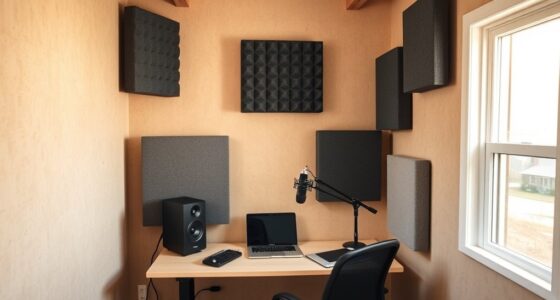
Placement is everything—more than most realize. In a tiny closet, the way you position your microphone and gear can make or break your sound. The biggest reflection path is usually behind the mic, so treat that area first. Understanding the physics of sound reflections helps you make smarter choices—like positioning your mic to minimize the pickup of bouncing sound waves, which can cause muddiness and reduce clarity. For example, placing your mic directly against a wall might seem convenient but often results in picking up unwanted reflections that muddy the recording. Instead, angling the mic slightly away from reflective surfaces or adding absorption panels directly at the main reflection points can dramatically improve sound quality. Using a mirror to find your reflection points isn’t just a trick; it’s a practical way to identify where to place panels for maximum effect. This targeted approach prevents over-treating the space and ensures your microphone captures a cleaner, more natural sound. The implications are significant—better placement reduces the need for excessive treatment, saves money, and shortens setup time, all while producing professional-quality recordings.
Small Space Dynamics: When the Closet Becomes a Sound Lab
Closet geometry can help or hurt your sound. Small boxes are naturally 'dry' and focused, but parallel walls create standing waves and bass buildup. These phenomena can cause certain frequencies to be overly prominent, resulting in a dull or boomy sound that lacks clarity. Understanding how these acoustic issues manifest allows you to address them effectively. Think of a tiny closet as a drum—sound bounces around and amplifies specific frequencies, especially low-end resonances, which can muddy your recordings. To combat this, strategic placement of soft materials in the corners, ceiling, and near reflective surfaces can help diffuse these standing waves. Using thick blankets, bass traps, or foam panels in these critical areas prevents excessive bass buildup and reduces echo. For example, hanging a thick blanket over the door or installing corner bass traps can significantly improve sound quality by breaking up the room’s natural resonances. The tradeoff here is balancing absorption with reflection—over-treating can deaden the sound too much, so aim for a natural, balanced acoustic environment. These measures make your recordings sound more natural and professional, even in a space as small as a closet.
Sealing the Gaps: The Secret to Actual Soundproofing
Sound leaks through cracks, gaps, and the door itself. sealing these tiny openings dramatically improves your noise control. Think weatherstripping around the door, acoustic sealant on gaps, and maybe a blanket or foam over the door surface. These small points of leakage can undermine your entire effort, allowing outside noise to intrude and reducing the effectiveness of your treatment. Proper sealing is often overlooked because it seems minor, but in reality, gaps act like open windows for soundproofing. Applying weatherstripping around the door frame creates a tight seal that prevents noise from entering or leaving. Using acoustic sealant on cracks or gaps in the walls and around electrical outlets further enhances your soundproofing, preventing leakage at the source. Adding a blanket or foam over the door isn’t just about blocking sound—it also reduces reflections coming from the door itself, which can be a major reflection point. The implications are clear: neglecting this step can render your other acoustic treatments ineffective, as sound easily bypasses poorly sealed areas. These DIY fixes are simple, cost-effective, and critical for making your space truly quiet and isolated.
Ventilation and Heat: Keeping Your Closet Rig Cool & Quiet
Putting a high-power rig in a closet sounds perfect—until heat becomes a problem. Trapped heat can cause the hardware to throttle, fans to roar, and noise to spike. Ventilation is the key to balancing quiet and cool, but it’s a delicate tradeoff because opening vents can also let sound escape. The challenge is to design a ventilation system that maintains airflow without compromising your acoustic isolation. Imagine a closet with a small exhaust fan or passive vents that allow hot air to escape while minimizing noise transfer. Properly positioned vents can create a continuous flow of air, preventing overheating without introducing significant noise pathways. For higher-power rigs, consider a purpose-built soundproof cabinet with ducted airflow—these systems use specialized silencers or duct mufflers to reduce noise while maintaining cooling efficiency. Understanding the heat dynamics and how they impact both hardware performance and noise levels helps you make informed choices. Without proper ventilation, heat buildup can cause your system to throttle, increasing fan noise and reducing lifespan. Effective cooling solutions ensure your rig runs smoothly, quietly, and safely, avoiding heat-related hardware issues and noisy fans that can ruin your recordings or workspace comfort.
Frequently Asked Questions
Is acoustic foam enough for a closet booth?
Acoustic foam reduces reflections and echoes but doesn’t block outside noise or prevent sound leaks. For true soundproofing, sealing gaps and barriers are necessary, but foam alone can greatly improve audio clarity within the space.Where should I place foam panels in a small closet?
Focus on the main reflection points: behind the mic, side walls near the mic, and the ceiling. Covering these areas reduces harsh echo and creates a clearer recording environment. Avoid over-treating every surface—target the key reflection zones.How do I stop sound from leaking through the door and gaps?
Use weatherstripping around the door frame, apply acoustic sealant to cracks, and consider hanging blankets or foam over the door. Placing a rug under the door or sealing the floor gap also keeps noise from escaping.Do I need bass traps in a closet booth?
If your recordings sound boomy or boxy, bass traps in the corners can help absorb low frequencies and prevent muddiness. In very small spaces, treating corners is often more effective than just wall panels.What’s the best way to keep my rig cool in a closet?
Install a quiet exhaust fan or passive vents to circulate air. For higher-power rigs, consider a purpose-built soundproof cabinet with ducted airflow or liquid cooling solutions that export heat efficiently. Proper ventilation keeps noise down and hardware happy.Conclusion
The closet can be a surprisingly effective space for quiet work or vocal recordings—if you treat it with intention. Focus on sealing gaps, proper placement, and ventilation, and you’ll turn a cramped closet into a versatile, low-noise studio. It’s all about smart tweaks, not expensive soundproofing.
Imagine your rig humming quietly in a corner, while your workspace stays tranquil. That’s the power of good placement and strategic dampening. So, go ahead—set up your closet, treat it right, and enjoy a quiet, productive space that feels like a secret advantage.
Fall Picks
fall essentials
As an affiliate, we earn on qualifying purchases.