
To fix ground loop noise, start by ensuring all your equipment is plugged into the same power outlet to unify grounding. Use ground lift adapters or isolators on audio connections to break the loop. Check for proper grounding of cables and equipment, and avoid multiple grounding points. Using shielded cables with grounded shields can also help reduce hum. If these steps don’t work, more advanced grounding techniques might be necessary—learn more to eliminate that unwanted buzz.
Key Takeaways
- Use ground lift adapters or isolators to break the ground loop and eliminate hum.
- Connect all audio equipment to the same power outlet to equalize ground potentials.
- Employ shielded cables grounded at one end to prevent loop formation.
- Install an isolation transformer or dedicated ground wire for complex grounding issues.
- Systematically disconnect and reconnect devices to identify and address the source of ground loop noise.

Ground loop noise is a common issue that can cause annoying hums and buzzes in your audio or video systems. If you’ve experienced this problem, you know how disruptive it can be to your listening or viewing experience. Fortunately, addressing ground loop noise doesn’t have to be complicated. With proper ground loop troubleshooting and the right audio grounding techniques, you can eliminate these unwanted noises and restore clarity to your system.
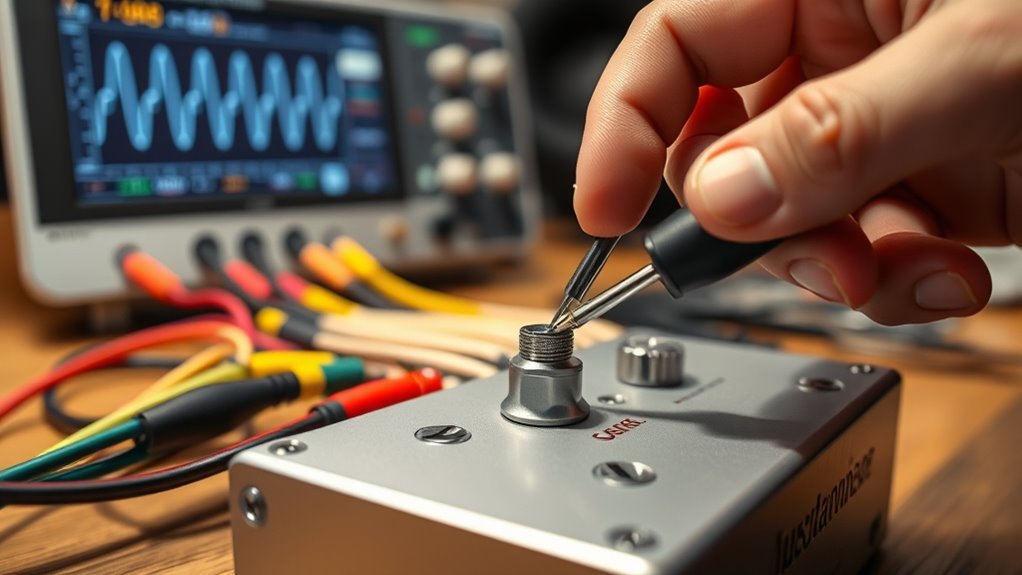
The first step in ground loop troubleshooting is identifying the source of the noise. Often, the hum originates from multiple devices sharing different ground potentials. When these devices are connected, they create a loop that picks up interference, resulting in the buzz. To diagnose this, start by disconnecting all audio and video components except the primary device, then reconnect them one by one. If the hum appears when a specific device is connected, that device or its grounding setup might be the culprit. Using a multimeter to check for ground continuity can help reveal inconsistencies or grounding issues.
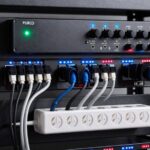
Once you’ve pinpointed the cause, you can apply audio grounding techniques to fix the problem. One effective method is using ground lift adapters or isolators, which break the loop and prevent interference. These are simple to install and can often be plugged into the problematic connection. Another technique involves ensuring all your equipment is connected to the same power strip or outlet, which helps equalize ground potentials and reduce the likelihood of ground loops forming. If your equipment has ground switches or options, experiment with toggling them to see if it reduces the hum.
Using ground lift adapters and connecting all equipment to the same outlet can significantly reduce ground loop hums.
In addition, you might consider rewiring your setup with proper grounding practices. Use shielded audio cables and connect their shields to ground at one end only—preferably at the source device—to prevent ground loops from forming along the cable. For more advanced troubleshooting, installing a dedicated ground wire or using an isolation transformer can be highly effective, especially in complex or high-end systems. Understanding grounding principles is essential for effective noise reduction.
Ultimately, solving ground loop noise requires a combination of troubleshooting and applying sound audio grounding techniques. It’s about making sure all your equipment shares a common, stable ground reference. By methodically eliminating potential causes and employing proper grounding strategies, you can considerably reduce or eliminate hums and buzzes. This not only improves sound quality but also enhances the overall performance of your system, giving you a cleaner, more enjoyable audio and video experience.

Pyle-Pro PCO800 19'' Rack Mount 1800 Watt Power Conditioner w/ 8 Outlets
1800W POWER: Pyle's Power Conditioner is designed to improve the quality of power supplied to your home appliance...
As an affiliate, we earn on qualifying purchases.
Frequently Asked Questions
Can Ground Loop Noise Be Completely Eliminated?
Yes, you can completely eliminate ground loop noise by applying effective noise mitigation techniques based on ground loop theory. You should carefully identify and isolate the ground connections causing the issue, use isolation transformers, and guarantee proper grounding practices. While it’s challenging to ensure total elimination in every setup, consistent application of these methods considerably reduces or even removes ground loop noise, resulting in cleaner audio or signal quality.
Are There DIY Solutions for Ground Loop Noise?
Yes, there are DIY solutions for ground loop noise. You can start by troubleshooting audio grounding issues, ensuring all your equipment shares a common ground point. Use a ground loop isolator or lift the ground connection safely to test if noise diminishes. Additionally, rerouting cables away from power sources and minimizing loops can help. These steps often reduce or eliminate ground loop noise without professional intervention.
How Do I Identify a Ground Loop Issue?
You can identify a ground loop issue by listening for ground loop symptoms like persistent hum or buzzing in your audio. If you notice audio interference that worsens when you connect devices or change their grounding, it’s a sign of a ground loop. Also, check for a difference in ground potential between connected equipment. These clues help you pinpoint the problem before applying fixes.
Does Upgrading Audio Equipment Reduce Ground Loop Noise?
Upgrading your audio equipment is like upgrading to a smoother road—less bumping, fewer issues. It can reduce ground loop noise, especially if you choose gear with better audio cable shielding. Additionally, using a power strip with filtering helps block interference, further minimizing noise. While new equipment helps, combining it with proper grounding and filtering guarantees your sound stays clean and clear, making your listening experience much more enjoyable.
Are Ground Loop Isolators Compatible With All Audio Systems?
Ground loop isolators are generally compatible with most audio systems, but you should verify their audio compatibility first. They work by preventing unwanted ground loops that cause noise, making them a versatile solution. However, some systems with specialized components or unique connections might not work perfectly with standard isolators. Always verify your device’s input and output types to ensure the ground loop isolator fits seamlessly and effectively reduces noise.

Pyle 10 Outlet Power Sequencer Conditioner - 13 Amp 2000W Rack Mount Pro Audio Digital Power Supply Controller Regulator w/Voltage Readout, Surge Protector, for Home Theater Stage/Studio Use - PCO875
2000W POWER: Pyle's Professional Power Sequence Controller is designed to improve the quality of power supplied to your...
As an affiliate, we earn on qualifying purchases.
Conclusion
By applying these ground loop noise fixes, you can enjoy clearer audio without pesky hums or buzzes. Remember, a simple fix can make a big difference in your listening experience. Are you willing to overlook the small issues that can disrupt your sound quality, or will you take the steps needed to restore clarity? Taking action now guarantees you won’t miss out on the true richness of your audio. Why settle for less when a simple fix is within reach?

Furman PST-8 Power Station Home Theater Power Conditioner with (2) Extension Cable Bundle
8 linearly filtered outlets
As an affiliate, we earn on qualifying purchases.
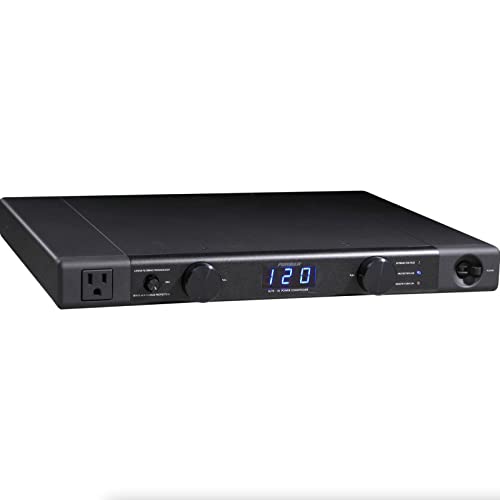
Furman Elite-15i 7-Outlet Linear Filtering AC Power Source
Linear AC power conditioner
As an affiliate, we earn on qualifying purchases.