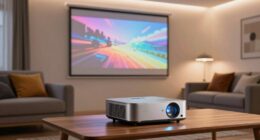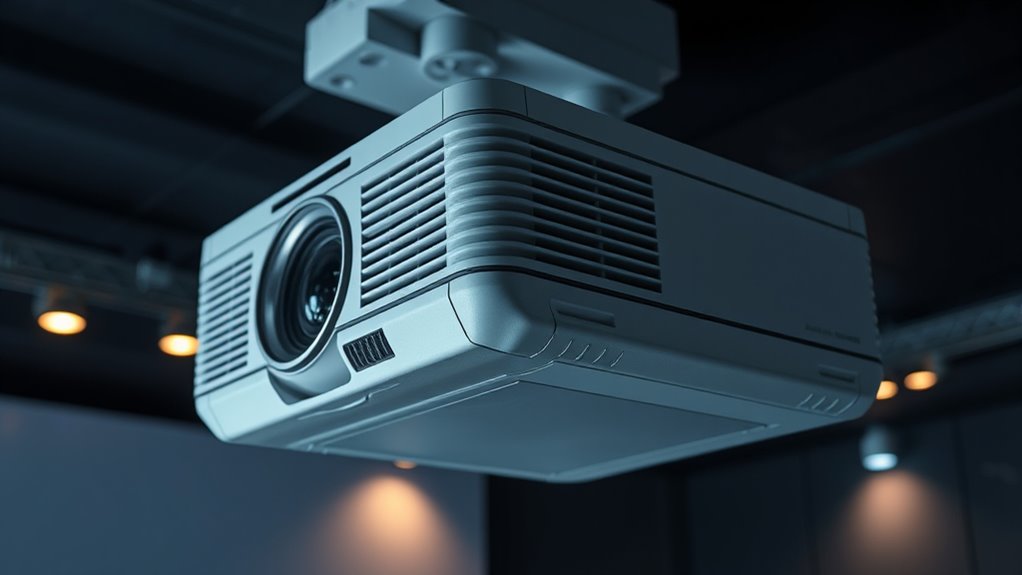

Heat and ventilation for projectors involve managing internal temperatures to prevent overheating and keep your device working smoothly. This includes understanding how heat dissipates through heat sinks and fans, ensuring proper airflow, and cleaning filters to block dust. Good ventilation prevents issues like flickering or shutdowns, extending your projector’s lifespan. If you want to keep your projector cool and efficient, understanding these basics can make a real difference—keep exploring to learn more.
Key Takeaways
- Proper heat dissipation prevents overheating, ensuring the projector operates safely and prolongs its lifespan.
- Good ventilation and airflow management reduce internal heat buildup and prevent hotspots.
- Cooling fans actively move air to cool internal components and maintain optimal temperatures.
- Heat sinks absorb and spread heat away from sensitive parts, preventing damage.
- Regular cleaning of vents and filters improves airflow and dust management, protecting the projector from overheating.

AC Infinity AIRPLATE S1, Quiet Cooling Fan System 4" with Speed Control, for Home Theater AV Cabinets
An ultra quiet fan system designed for cooling cabinets that requires minimal noise.
As an affiliate, we earn on qualifying purchases.
What Is Heat Dissipation?

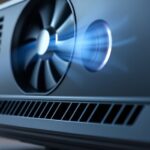
Heat dissipation is the process of removing excess heat generated by a projector during operation. Proper thermal management ensures your device stays within safe temperature limits, preventing overheating and damage. Heat regulation involves using various components like heat sinks, fans, and cooling systems to transfer heat away from crucial parts. When your projector runs, it produces heat that, if not managed well, can lead to performance issues or failure. Efficient heat dissipation is vital for maintaining optimal operation and prolonging your projector’s lifespan. Good heat dissipation isn’t just about cooling; it’s about controlling temperature levels to keep your projector running smoothly. Understanding how thermal management works helps you appreciate the importance of proper ventilation and cooling solutions. Using advanced heat transfer techniques can further improve the efficiency of heat dissipation systems.
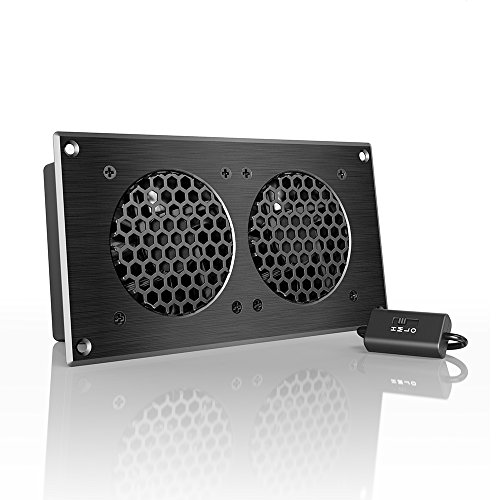
AC Infinity AIRPLATE S5, Quiet Cooling Fan System 8" with Speed Control, for Home Theater AV Cabinets
An ultra-quiet UL-certified fan system designed for cooling cabinets that requires minimal noise.
As an affiliate, we earn on qualifying purchases.
Understanding Ventilation and Airflow
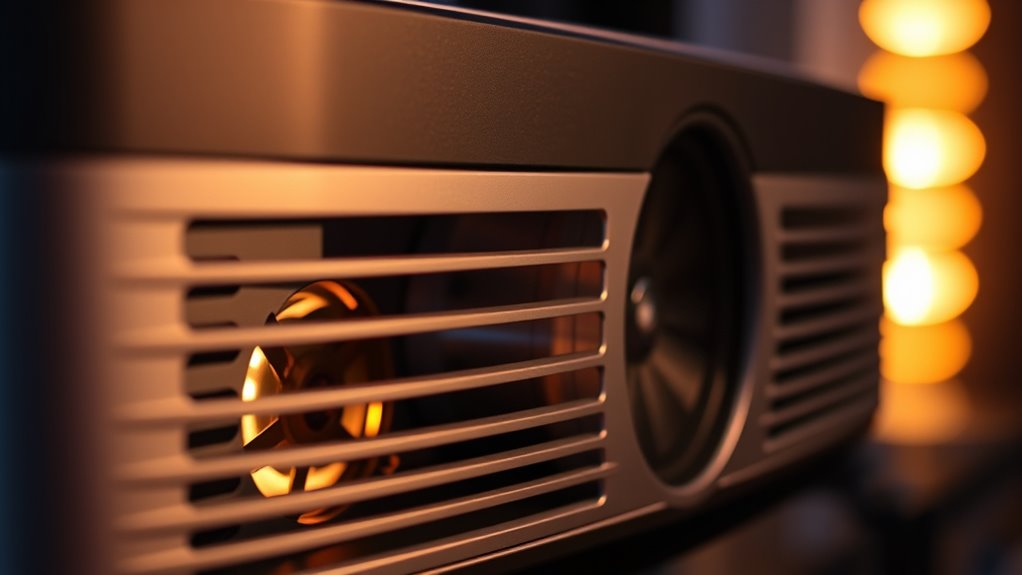
Effective ventilation and airflow are essential for maintaining a projector’s ideal temperature. Proper airflow patterns ensure heat moves away from critical components, preventing overheating. Good ventilation design considers how air enters and exits the projector, creating a continuous flow that cools internal parts efficiently. You should pay attention to how the vents are positioned to maximize airflow and avoid hotspots. Avoid obstructing air pathways, as this disrupts airflow patterns and reduces cooling effectiveness. Proper airflow helps dissipate heat evenly, extending your projector’s lifespan and maintaining ideal performance. When setting up your projector, ensure vents are unobstructed and positioned for best airflow. This simple step makes a significant difference in preventing heat build-up and keeping your projector running smoothly. Regular maintenance and cleaning of vents can further enhance airflow and prevent dust accumulation that impairs cooling. Additionally, understanding ventilation and airflow principles can help optimize your setup for better heat management. Ensuring proper air circulation is key to maintaining consistent internal temperatures and safeguarding your projector’s components. Proper airflow management can also reduce noise levels caused by cooling fans, contributing to a better viewing experience. Moreover, integrating cooling components like fans or heat sinks can further improve heat dissipation and protect sensitive electronics.

AC Infinity AIRPLATE T7, Quiet Cooling Fan System 12" with Thermostat Control, for Home Theater AV Cabinets
An ultra-quiet UL-certified fan system designed for cooling cabinets that requires minimal noise.
As an affiliate, we earn on qualifying purchases.
The Role of Cooling Fans
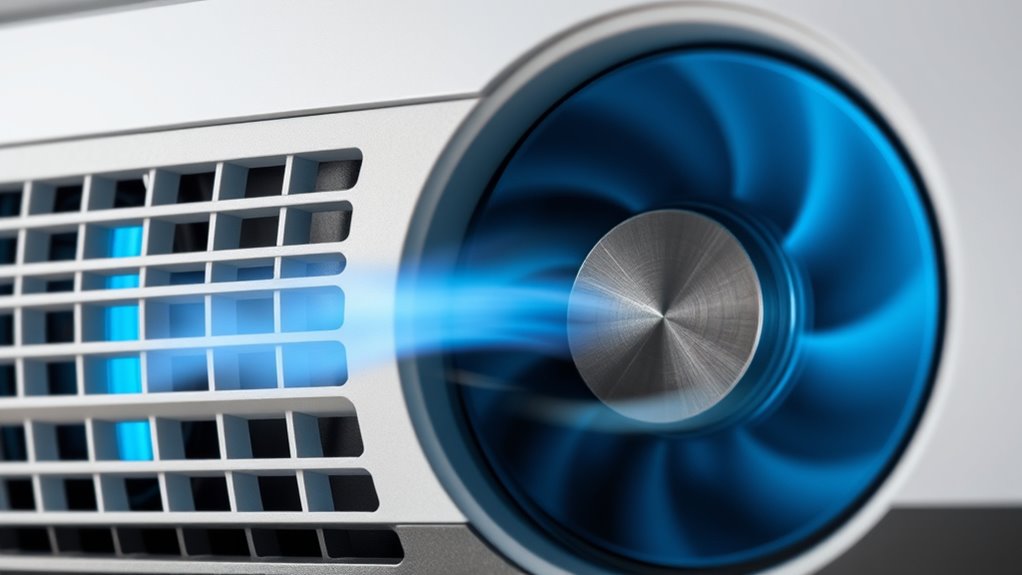
Have you ever wondered how projectors stay cool during extended use? Cooling fans play a crucial role in this process by actively moving air to remove heat from internal components. These fans improve airflow management, ensuring heat doesn’t build up and cause damage. They work silently yet efficiently, maintaining ideal operating temperatures. Proper fan selection is also essential for Ford Tuning applications where engine heat management is critical. Additionally, understanding AI security vulnerabilities can help in designing more reliable cooling systems. For example, thermal management strategies that incorporate appropriate fan types can significantly enhance device longevity. Selecting the correct fan type depends on the specific cooling needs and operational environment of the device. To visualize, consider this table:
| Fan Type | Function | Benefits |
|---|---|---|
| Axial Fans | Push air along axis | Quiet operation, simple design |
| Centrifugal Fans | Force air outward | Higher pressure, versatile |
| Mixed Flow Fans | Combine features | Balance of airflow and pressure |
With the right cooling fans, your projector stays cool, performs better, and lasts longer.
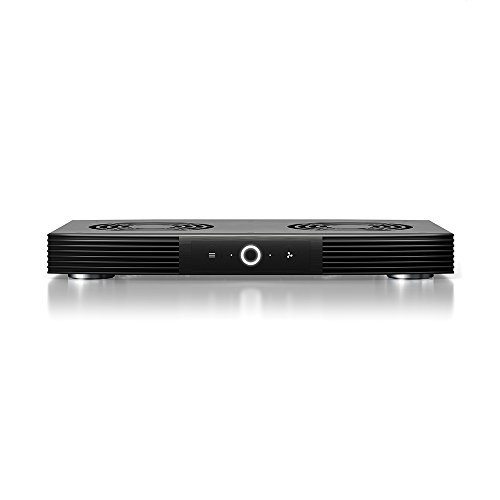
AC Infinity AIRCOM S7, Quiet Cooling Fan System 12" Top-Exhaust for Receivers, Amps, DVR, AV Cabinet Components
A quiet fan system designed for cooling routers, modems, game consoles, and other AV components.
As an affiliate, we earn on qualifying purchases.
Significance of Heat Sink Components
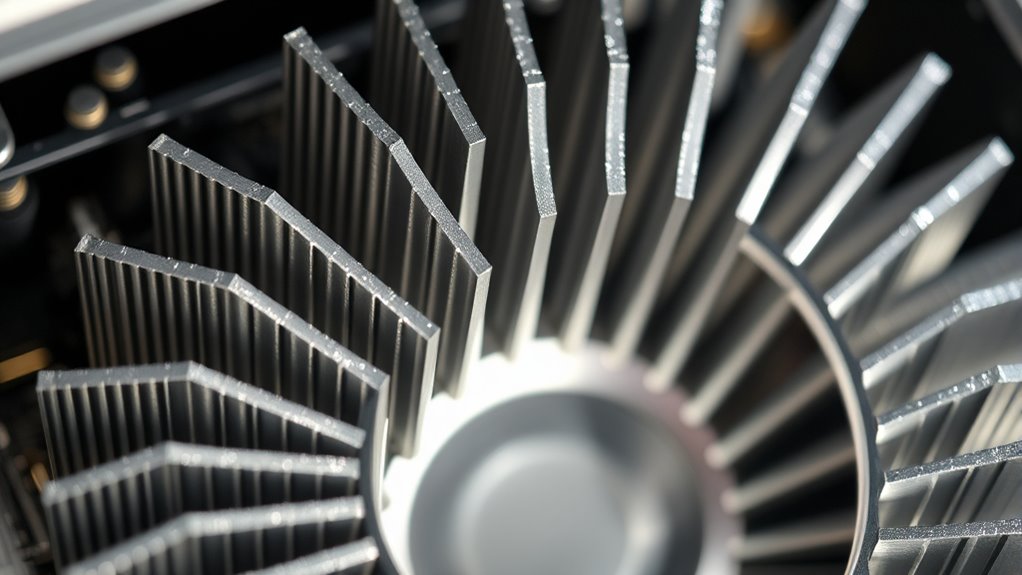
Heat sink components are indispensable for dissipating the heat generated inside your projector, preventing overheating and ensuring reliable performance. They play a critical role in thermal management by absorbing and spreading heat away from sensitive electronic parts. Proper heat sink components help maintain ideal operating temperatures, which extend the lifespan of your projector’s components and improve overall efficiency. Effective heat dissipation is essential to prevent thermal stress and potential failure of internal parts. Without effective heat sinks, heat can accumulate, leading to thermal stress and potential failure of internal parts. Selecting high-efficiency heat sinks based on your projector’s heat output and design is crucial to effectively manage thermal loads and ensure optimal operation. Additionally, utilizing adequate ventilation can enhance heat transfer and improve the effectiveness of heat sink components. Understanding the thermal management principles involved can help you make better choices for your projector’s cooling system. Incorporating proper maintenance practices can also ensure the continued effectiveness of your heat sink components over time. In short, heat sink components are essential for keeping your projector cool, reliable, and functioning smoothly over time.
What Is Overheating?
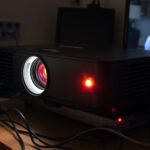
Overheating happens when your projector’s temperature rises beyond safe limits, risking damage or failure. You should watch for signs like flickering, excessive noise, or shutdowns to catch problems early. Learning the causes and how to prevent overheating keeps your projector running smoothly and extends its lifespan.
Causes of Overheating
When a projector’s internal components generate more warmth than the cooling system can dissipate, it leads to overheating. Dust accumulation is a common cause, as dust blocks vents and hampers airflow, trapping heat inside. Without proper cleaning, dust buildup worsens over time, increasing the risk of overheating. Power surges can also damage internal parts and disrupt the cooling process, causing components to run hotter than normal. If your projector experiences frequent electrical spikes, it may overheat more quickly. Additionally, poor ventilation or placement in confined spaces restricts airflow, making it harder for the cooling system to do its job. Ensuring proper ventilation design can significantly improve airflow and prevent heat buildup. Regular maintenance and appliance testing can help identify potential issues before they lead to overheating. Proper cooling mechanisms, such as fans or heat sinks, are essential for maintaining optimal operating temperatures. Recognizing these causes allows you to maintain your projector better and prevent overheating issues. Incorporating natural materials such as wood and linen in the surrounding environment can also help improve airflow and reduce heat retention around electronic devices. Proper airflow management can further optimize the cooling process and extend the lifespan of your projector.
Signs of Overheating
Have you noticed your projector suddenly shutting down, locking up, or displaying error messages? These are common signs of overheating. When a projector gets too hot, its thermal insulation can’t keep heat away from sensitive components, leading to malfunctions. Elevated ambient temperature around the device worsens this issue, making it harder for your projector to stay cool. You might also see flickering images, a burning smell, or a fan running loudly and continuously. Overheating can cause temporary or permanent damage if not addressed. Keep an eye on these signs, especially if your room is warm or poorly ventilated. Recognizing these symptoms early helps prevent damage and ensures your projector stays in good working condition longer. Proper ventilation is essential to maintain optimal operating temperatures and avoid overheating issues. Additionally, ensuring your projector has adequate airflow can significantly reduce the risk of overheating and prolong its lifespan.
Preventing Projector Overheat
To prevent your projector from overheating, it’s crucial to make certain of proper ventilation and maintain a cool environment. Ensure the area has good airflow to dissipate heat effectively. Avoid blocking vents or placing the projector in enclosed spaces that trap heat. Using thermal insulation around the projector can help regulate temperature, preventing heat buildup. Monitoring the ambient temperature is essential — keep the room cool and avoid direct sunlight, which can raise the heat levels. Regularly clean air filters to prevent dust buildup that hampers airflow. By managing airflow, insulating heat sources, and controlling room temperature, you reduce the risk of overheating, extending your projector’s lifespan and guaranteeing peak performance.
The Importance of Temperature Sensors
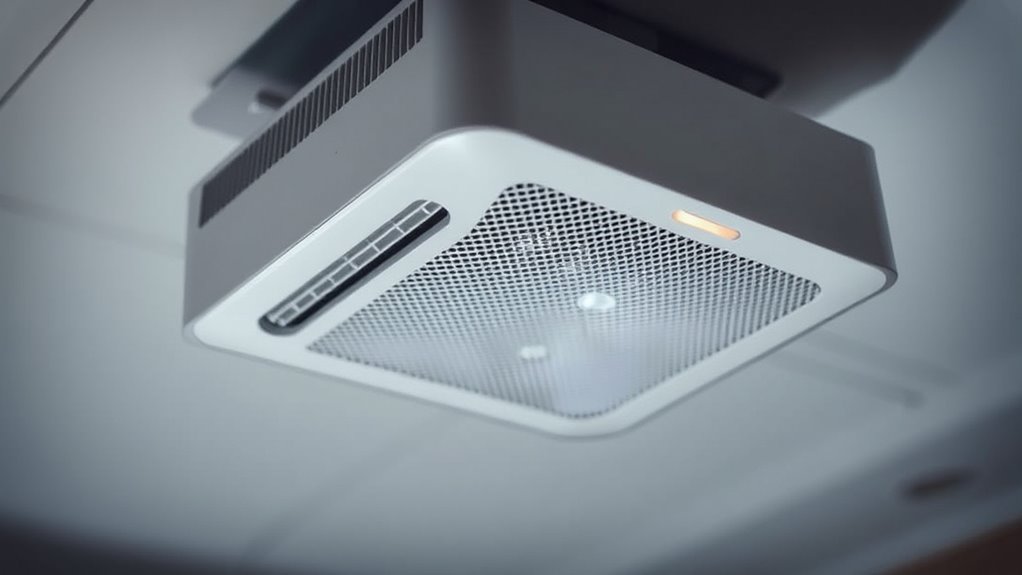
Why are temperature sensors essential in projector systems? They help monitor internal heat levels to prevent overheating. Proper sensor calibration ensures these devices accurately detect temperature changes, so your projector responds promptly. When temperature thresholds are reached, sensors trigger cooling mechanisms or shut down the device to avoid damage. Without reliable sensors, you risk overheating, which can cause permanent harm or reduce your projector’s lifespan. By maintaining accurate readings, sensors enable effective heat management, keeping your projector running smoothly. They also help optimize performance, preventing unnecessary shutdowns caused by false alarms. In short, temperature sensors are crucial for protecting your equipment, ensuring it operates within safe limits, and maintaining consistent image quality during extended use.
How Air Filters Help Keep It Cool
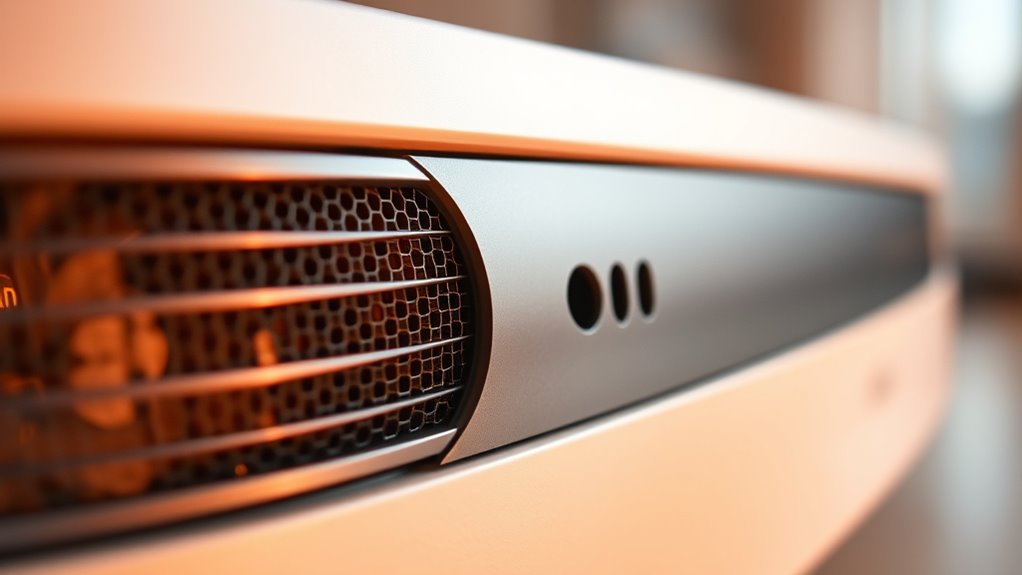
Air filters prevent dust buildup that can block airflow and cause your projector to overheat. They keep ventilation paths clear, ensuring consistent cooling. By maintaining proper airflow, filters help extend the lifespan of your equipment.
Filtration Prevents Dust Buildup
Dust accumulation inside a projector can quickly lead to overheating and reduced performance. That’s why filtration is essential. Air filters trap dust particles before they enter the device, preventing buildup that can clog vents and fans. Regular filter maintenance guarantees these filters stay effective, reducing the risk of overheating. Neglecting filter upkeep allows dust to accumulate, impairing airflow and causing the projector to work harder. Keep filters clean and replace them when needed to maintain ideal cooling. To help you understand, here’s a simple overview:
| Dust Buildup | Filter Maintenance |
|---|---|
| Causes overheating | Keep filters clean regularly |
| Reduces airflow | Replace filters as recommended |
| Leads to component damage | Check for dust frequently |
| Affects image quality | Ensure filters fit properly |
Keeps Ventilation Clear
Proper air filtration plays a crucial role in maintaining clear ventilation for your projector. When filters are clean, they prevent dust and debris from causing airflow obstruction or vent blockage. This ensures the cooling system functions efficiently, preventing overheating. To keep vents clear, consider these points:
- Regularly inspect and replace air filters to prevent dust buildup.
- Ensure vents are free of obstructions like paper or cables.
- Maintain a clean environment around the projector to reduce airborne particles.
Extends Equipment Lifespan
Keeping vents clear isn’t just about preventing overheating; it also helps your projector last longer. When dust and debris clog filters, the device works harder, reducing its lifespan and increasing energy consumption. Proper air filters maintain ideal cooling, improving energy efficiency and reducing environmental impact. A well-maintained projector uses less power and minimizes waste, supporting sustainability. To visualize this, consider the following:
| Benefit | How it Helps | Impact |
|---|---|---|
| Longer equipment life | Prevents heat damage and wear | Reduces replacement costs |
| Energy efficiency | Less power needed for cooling | Lowers energy bills |
| Environmental impact | Less waste and lower emissions | Supports eco-friendly choices |
Regular filter maintenance ensures your projector stays cool, efficient, and environmentally responsible.
Effects of Poor Ventilation on Projectors

When a projector isn’t properly ventilated, its internal components can overheat, leading to decreased performance and potential damage. Poor ventilation can cause dust accumulation inside, which worsens airflow obstruction and hampers cooling efficiency. Over time, this buildup traps heat, increasing the risk of component failure. Without adequate airflow, the projector’s fans work harder, wearing out faster and making noise. Additionally, persistent heat can trigger automatic shutdowns or reduce brightness to prevent damage. To avoid these issues, ensure vents are clear and unobstructed, and dust is regularly removed. Ignoring poor ventilation can shorten your projector’s lifespan and lead to costly repairs. Proper airflow management is key to maintaining excellent function and preventing heat-related failures.
Tips for Maintaining Optimal Cooling

Regularly inspecting and cleaning your projector’s vents is the simplest way to keep airflow unobstructed. Proper projector placement is vital; avoid placing it in cramped or enclosed spaces that trap heat. Keep the projector on a stable, hard surface to allow air to circulate freely. Be mindful of ambient temperature—if the room is too hot, the projector’s cooling system works harder, risking overheating. Use fans or air conditioning to maintain a comfortable temperature around the device. Make certain vents are free from dust and debris, which can block airflow. Also, consider elevating the projector slightly to improve air circulation underneath. Consistently monitoring these factors helps your projector stay cool, performs better, and extends its lifespan.
Frequently Asked Questions
How Do Ambient Room Conditions Affect Projector Cooling?
Ambient room conditions critically influence your projector’s cooling. Poor air circulation can trap heat, causing the projector to overheat. High temperatures make it harder for the cooling system to maintain ideal performance, so you should guarantee proper temperature control. Keep the room well-ventilated and avoid heat sources nearby. This helps your projector stay cool, runs smoothly, and prolongs its lifespan.
Can Improper Ventilation Cause Permanent Damage to a Projector?
Improper ventilation can indeed cause permanent damage, and it’s almost ironic—you ignore dust buildup and power surges, and your projector pays the price. Dust clogs air filters, overheating components, while power surges can fry delicate circuits. Over time, these issues can permanently harm your projector’s internal parts, reducing lifespan or causing failure. So, neglecting proper airflow isn’t just a risk; it’s a shortcut to irreversible damage.
Are There Different Cooling Needs for LED Versus Traditional Projectors?
Yes, LED projectors generally have different cooling needs compared to traditional projectors. LED efficiency means they produce less heat, so they often require less robust ventilation systems. Traditional projectors, which generate more heat due to their higher output, need better ventilation to prevent overheating and damage. You should make certain your projector’s cooling system matches its heat output to maintain performance and longevity.
How Often Should Cooling Components Like Fans and Filters Be Replaced?
You should follow a regular maintenance schedule for cooling components like fans and filters, typically replacing filters every 6 to 12 months and fans every 1 to 3 years, depending on usage. Keep an eye on performance and cleanliness, as dirt buildup can reduce efficiency. Adhering to recommended replacement intervals guarantees your projector stays cool, prevents overheating, and prolongs its lifespan. Regular maintenance helps you avoid unexpected breakdowns and costly repairs.
What Are Signs That a Projector Is Overheating Beyond Usual Indicators?
If your projector is overheating beyond usual signs, you might notice frequent shutdowns, a burning smell, or excessive fan noise. You may also see the picture flickering or dimming. These issues indicate poor ventilation or blocked airflow, so check your ventilation tips regularly. Proper projector maintenance, like cleaning filters and ensuring vents stay unobstructed, helps prevent overheating and keeps your device running smoothly.
Conclusion
Keeping your projector cool is like giving it a breath of fresh air; without proper heat dissipation, it’s vulnerable to overheating just like you’d feel overwhelmed on a hot day. Good ventilation and regular maintenance act as your projectors’ cool-down, preventing breakdowns and extending lifespan. So, treat your projector’s cooling system like your own health—prioritize it, stay vigilant, and enjoy clear, crisp visuals without the stress of overheating.