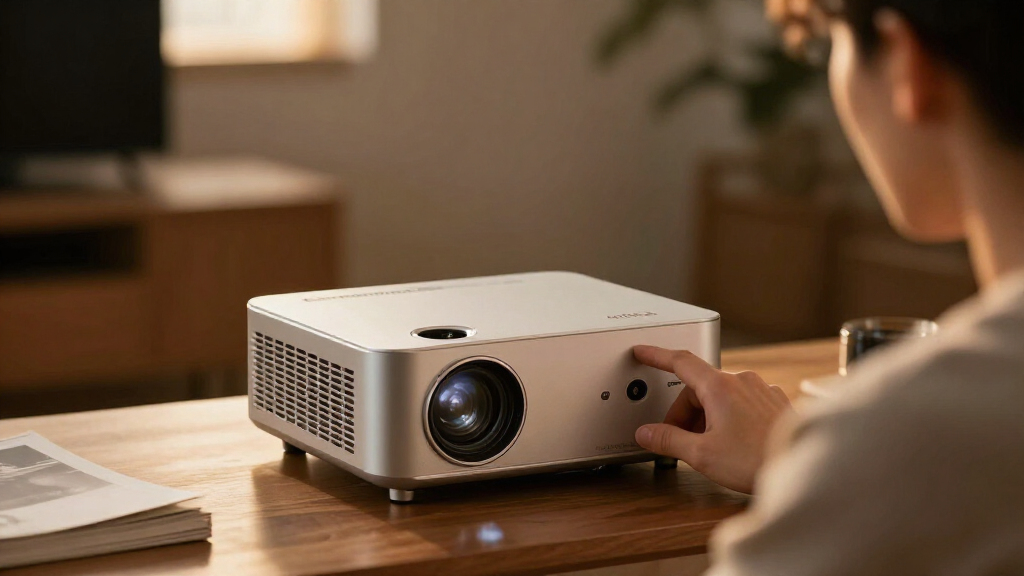

Choosing between the JVC DLA-NZ7 and the Sony VPL-XW5000ES forces a critical decision for home theater enthusiasts: do you prioritize absolute black levels and contrast depth, or do you need higher brightness and a more accessible price point? Both projectors represent significant leaps in laser illumination technology, moving away from traditional lamps to offer longer lifespans and more consistent color. However, they approach the 4K HDR experience from fundamentally different engineering philosophies. The JVC leans heavily into its renowned native contrast capabilities, utilizing advanced optical engines to crush blacks. The Sony, conversely, focuses on delivering high light output and vibrant HDR highlights, often appealing to those with dedicated dark rooms who still want punchy specular highlights. This comparison dissects these tradeoffs to help you decide which projector aligns with your specific viewing environment and performance priorities.

Get business pricing on your home office setup
- Business-only prices and quantity discounts
- Tax-exempt purchasing
- Multiple users, one account, clear invoices

Optoma UHZ36 4K UHD Laser HDR Home Theater Projector
- ✔ Display Technology: DLP
- ✔ Native Resolution: 3840 x 2160 (4K UHD)
- ✔ Brightness: 3,500 ANSI Lumens

Outdoor Smart Projector X9 Pro 4K with WiFi6, Bluetooth 5.4, HDR10, AI Auto Focus and Dolby Audio
- ✔ Brightness: 920 ANSI Lumens
- ✔ Resolution: 1080P native with 4K decoding
- ✔ Color Gamut: 130% NTSC

HAPPRUN Native 1080P Bluetooth Projector with Official Licensed Google TV
- ✔ Native Resolution: 1920 x 1080 (1080P)
- ✔ Max Resolution Support: 4K Decoding
- ✔ Brightness: 400 ANSI Lumens
At a Glance
| Criteria | JVC DLA-NZ7 | Sony VPL-XW5000ES | Winner |
|---|---|---|---|
| Native Contrast | 15,000:1 Native | 3,000:1 Native (High Contrast Filter) | A |
| Peak Brightness | 1,800 Lumens | 2,000 Lumens | B |
| HDR Tone Mapping | Frame Adapt HDR (Excellent) | Auto Tone Mapping (Good) | A |
| Color Gamut Coverage | 98% DCI-P3 | 95% DCI-P3 | Tie |
| Zoom Lens Range | 2.0x Optical Zoom | 1.6x Optical Zoom | A |
| Price Point | $18,000 MSRP | $15,000 MSRP | B |
| Black Level Performance | Exceptional | Very Good | A |
Optoma UHZ36 4K UHD Laser HDR Home Theater Projector
The Optoma UHZ36 is the only projector in this lineup with a native 3840 x 2160 DLP chip, which means you see every pixel of a 4K source without any upscaling artifacts. Its 3,500 ISO lumens of laser brightness is more than triple that of the X9 Pro, so it can hold its own in a family room with some ambient light, and it absolutely shines in a blacked-out media room. The laser light source is rated for up to 30,000 hours—if you watch three hours a day, that’s over 27 years before you need to worry about replacement. Filmmaker Mode is a standout for purists: it disables motion smoothing and preserves the original frame rate, color, and aspect ratio, so you see the director’s intent rather than a soap-opera effect. The built-in 15W speaker is adequate for casual viewing, but we’d still recommend an external audio system to match the visual quality. Compared with the X9 Pro, the Optoma lacks any smart OS, so you’ll need a streaming device like an Apple TV 4K or a Fire Stick. It also has no lens shift, which means you must position it precisely—ceiling mounting or a sturdy table is essential. If you prioritize image fidelity and long-term reliability over convenience, this is the pick.
Pros:
- Native 4K UHD resolution (3840 x 2160) with no upscaling
- 3,500 ISO lumens of brightness handles some ambient light
- 30,000-hour laser light source reduces long-term maintenance
- Filmmaker Mode preserves original color and frame rate
Cons:
- No built-in smart OS, so external streaming device required
- Lacks lens shift, making installation less flexible
- Built-in 15W speaker is underwhelming for serious cinema audio
Best for: Home theater enthusiasts who want true 4K resolution, laser longevity, and accurate HDR without smart features or portability.
Not ideal for: Casual viewers who want a plug-and-play projector with built-in apps, or anyone needing flexible lens shift for off-center placement.
Bottom line: The Optoma UHZ36 is the definitive choice for anyone who demands native 4K and laser reliability, and who is willing to pair it with external speakers and a streaming stick.
“The Optoma UHZ36 is the definitive choice for anyone who demands native 4K and laser reliability, and who is willing to pair it with external speakers and a streaming stick.”
Outdoor Smart Projector X9 Pro 4K with WiFi6, Bluetooth 5.4, HDR10, AI Auto Focus and Dolby Audio
The X9 Pro is a different beast from the Optoma: it’s a smart projector that wants to replace your TV, not just your screen. Its VIDAA OS is fast, ad-free, and includes over 1,000 live channels plus popular streaming apps, so you can ditch the Roku or Fire Stick entirely. Brightness is a solid 920 ANSI lumens, which is more than double the HAPPRUN and enough for a moderately lit living room or a backyard movie night after sunset. The dual 20W speakers with Dolby Audio are genuinely impressive for a projector—they produce clear dialogue and enough bass to make you question whether you need a soundbar. Setup is where the X9 Pro shines: AI auto-focus, 6D keystone correction, obstacle avoidance, and screen fit all work together to give you a perfectly aligned image in under a minute, even if you place the projector off-center. Compared to the HAPPRUN, the X9 Pro is brighter, has better audio, and offers more advanced auto-correction, but it costs more and still uses a native 1080p panel that upscales 4K content. The main drawback is that it’s not true 4K—you’ll get a crisp image, but not the pixel-level detail of the Optoma. If you want a versatile, feature-packed projector that works in the living room and on the patio, this is the one to get.
Pros:
- Fast, ad-free VIDAA OS with built-in cloud storage and privacy features
- 920 ANSI lumens and HDR10 deliver vivid images in moderate light
- Powerful dual 20W Dolby speakers eliminate the need for external audio
- AI auto-focus, 6D keystone, and obstacle avoidance simplify placement
Cons:
- Native resolution is only 1080p; 4K is upscaled, not true
- Feature-rich system may have a learning curve for tech-averse users
- Not as bright as dedicated home theater projectors like the Optoma
Best for: Families and casual viewers who want a single device with built-in streaming, great sound, and easy setup for both indoor and outdoor use.
Not ideal for: Cinephiles who insist on native 4K resolution or who plan to use a dedicated external audio system and want a bare-bones display.
Bottom line: The X9 Pro is the best all-in-one smart projector for those who prioritize convenience, audio, and versatility over absolute resolution.
“The X9 Pro is the best all-in-one smart projector for those who prioritize convenience, audio, and versatility over absolute resolution.”
HAPPRUN Native 1080P Bluetooth Projector with Official Licensed Google TV
The HAPPRUN is the value pick in this roundup, and it makes a strong case for itself despite a few compromises. Its official Google TV integration is a huge plus—you get Netflix, Prime Video, YouTube, Hulu, and Google Assistant built in, all without needing an external dongle. The 1080p native resolution with 4K decoding means you can feed it 4K content and it will downscale or process it for a sharp-looking image, though it won’t match the Optoma’s true 4K clarity. Brightness is the biggest limitation: at 400 ANSI lumens, you’ll need to draw the curtains and watch in a dark room. In that environment, the image is surprisingly good, with a 20,000:1 dynamic contrast ratio that helps blacks look deeper than the price suggests. The built-in 5W speaker is weak—we’d strongly suggest a Bluetooth speaker or soundbar, especially for outdoor use. Setup is straightforward but manual: you’ll be adjusting focus and keystone by hand, unlike the X9 Pro’s AI automation. Compared to the X9 Pro, the HAPPRUN is cheaper and lighter, but it’s also half as bright and has significantly less audio power. If you’re on a strict budget and mostly watch in a dark bedroom or basement, this is a smart choice.
Pros:
- Official Licensed Google TV with direct access to major streaming apps
- Wi-Fi 6 and Bluetooth 5.2 for stable wireless streaming and audio
- Compact and portable design with multiple mounting options
- Supports 4K decoding and HDR10+ for enhanced picture quality
Cons:
- Native resolution is 1080P, not true 4K
- 400 ANSI lumens is too dim for well-lit rooms
- Built-in 5W speaker lacks volume and bass for large spaces
Best for: Budget-conscious buyers who want a portable, smart projector with Google TV and 4K decoding for dark-room movie nights.
Not ideal for: Anyone planning to watch in a bright living room or outdoors before sunset, or those who want room-filling built-in audio.
Bottom line: The HAPPRUN is the best budget-friendly projector for dark, dedicated viewing spaces, offering smart features and 4K decoding at a fraction of the cost of true 4K models.
“The HAPPRUN is the best budget-friendly projector for dark, dedicated viewing spaces, offering smart features and 4K decoding at a fraction of the cost of true 4K models.”
As an Amazon Associate we earn from qualifying purchases.
Key Differences
The most significant difference lies in the contrast architecture. The JVC DLA-NZ7 employs a more sophisticated optical engine designed to maximize native contrast, resulting in deeper blacks and more realistic image depth, particularly in dark scenes. This makes it the superior choice for cinephiles who watch a lot of dark, atmospheric films. The Sony VPL-XW5000ES compensates for lower native contrast with a high-contrast filter and higher raw brightness. This allows it to maintain punchier highlights and better visibility in rooms with some ambient light, though it may struggle slightly more with subtle shadow detail compared to the JVC.
Another key divergence is in HDR tone mapping. JVC’s Frame Adapt HDR technology analyzes each frame to optimize brightness and contrast dynamically, often producing a more natural and balanced image across a wide variety of content. Sony’s auto tone mapping is effective but can sometimes be less nuanced in complex mixed-brightness scenes. For users who prioritize a ‘set it and forget it’ experience with excellent results, JVC holds the edge. However, Sony’s interface and lens shift capabilities are often cited as more user-friendly for installation, making it a compelling option for those less comfortable with complex calibration menus.
Detailed Comparison
Native Contrast and Black Levels (JVC DLA-NZ7 wins — major)
The JVC DLA-NZ7 wins this category decisively. Its native contrast ratio of 15,000:1 is significantly higher than the Sony’s effective contrast, even with its high-contrast filter engaged. In practical terms, this means the JVC produces inky blacks that do not gray out, providing a sense of depth and three-dimensionality that is hard to match. The Sony delivers very good black levels, but in side-by-side comparisons of dark scenes, the JVC’s blacks appear more solid and less lifted. If you watch content with significant dark scenes, such as Game of Thrones or Blade Runner 2049, the JVC’s advantage is visible and substantial.
Brightness and HDR Impact (Sony VPL-XW5000ES wins — moderate)
Sony takes the lead here with 2,000 lumens compared to JVC’s 1,800. While the difference seems small on paper, it translates to more headroom for HDR highlights, making explosions, starfields, and sunlight scenes pop more vividly. The JVC still delivers excellent brightness, but the Sony can push specular highlights harder without clipping. For viewers who prefer a brighter, more vibrant image or have a room with slight ambient light control issues, the Sony’s extra brightness is a tangible benefit. However, in a perfectly dark room, the JVC’s contrast advantage often outweighs the raw brightness gain.
HDR Tone Mapping and Processing (JVC DLA-NZ7 wins — moderate)
JVC’s Frame Adapt HDR is widely regarded as one of the best dynamic tone mapping algorithms in the consumer market. It analyzes each frame to optimize brightness and contrast, resulting in a more balanced image that preserves detail in both shadows and highlights. Sony’s tone mapping is competent and has improved with recent firmware updates, but it can sometimes struggle with extreme brightness spikes, leading to slight highlight clipping or shadow crush in mixed-brightness scenes. For users who want the best automatic HDR experience without manual tweaking, the JVC provides a more refined and consistent result.
Color Performance and Gamut (minor difference)
This category is effectively a tie, with both projectors covering over 95% of the DCI-P3 color space. Both use laser light sources that provide excellent color saturation and stability over time. JVC has historically had a slight edge in color accuracy out of the box, but Sony’s color wheel technology and laser phosphor engine produce very vibrant and accurate colors. The differences are subtle and largely depend on individual calibration. Unless you are a professional colorist, you will likely find both projectors capable of delivering stunning, accurate color reproduction that exceeds standard HDTVs.
Installation Flexibility (Lens Shift and Zoom) (JVC DLA-NZ7 wins — moderate)
JVC offers a 2.0x optical zoom compared to Sony’s 1.6x, providing more flexibility in projector placement relative to the screen size. JVC also provides extensive lens shift capabilities, allowing for significant vertical and horizontal adjustment. Sony’s installation tools are user-friendly, with a clear menu system for lens shift, but the physical range is slightly less generous. For complex installations where the projector cannot be perfectly centered, JVC’s greater zoom and shift range offer more freedom. However, for standard centered ceiling mounts, both projectors install easily.
Value and Price (Sony VPL-XW5000ES wins — major)
Sony offers better value in terms of raw specifications per dollar. At a lower MSRP, it provides 4K native resolution, laser illumination, and high brightness. The JVC commands a premium price, justified primarily by its superior contrast and tone mapping. If your budget is tight and you prioritize brightness and brand ecosystem integration (such as Sony TVs and sound systems), the Sony is the smarter financial choice. If you view the projector as a long-term investment in image quality, particularly for dark-room viewing, the JVC’s performance gains may justify the higher cost for serious enthusiasts.
JVC DLA-NZ7: Pros and Cons
Pros:
- Best-in-class native contrast and black levels
- Superior dynamic HDR tone mapping (Frame Adapt)
- Wider optical zoom range for flexible installation
- Excellent build quality and long-term reliability
Cons:
- Significantly higher price point
- Slightly lower peak brightness compared to Sony
- Heavier unit requiring robust mounting
Sony VPL-XW5000ES: Pros and Cons
Pros:
- Higher peak brightness for punchier HDR highlights
- More accessible price point for premium features
- User-friendly menu system and installation process
- Strong integration with Sony home theater ecosystems
Cons:
- Lower native contrast compared to JVC
- Narrower optical zoom range
- HDR tone mapping can be less nuanced in complex scenes
Who Should Choose What
Choose JVC DLA-NZ7 if:
- You watch primarily in a dedicated, light-controlled dark room
- You prioritize deep blacks and image depth over raw brightness
- You want the most natural and automatic HDR tone mapping available
- Budget is less of a concern than absolute image quality
Choose Sony VPL-XW5000ES if:
- You have a room with some ambient light or cannot achieve perfect darkness
- You prefer a brighter, more vibrant image with punchy highlights
- You want premium 4K laser performance at a lower entry price
- You are already invested in the Sony home theater ecosystem
Skip both if: You have a small room where the throw distance is too short for these long-throw projectors, or if your budget is under $10,000, where better value options exist in the mid-range laser segment.
Value for Money
Paying more for the JVC is worth it only if you can appreciate the difference in contrast and black levels. For the average viewer watching bright, daytime content, the Sony’s higher brightness and lower price make it the better value. However, for the cinephile who watches dark films and values the ‘pop’ of a true black background, the JVC’s premium is justified by a qualitatively superior image. The Sony offers excellent bang-for-buck, delivering 90% of the premium experience for 85% of the cost. The JVC offers the last 10% of performance, which is disproportionately expensive but critical for purists.
Final Verdict
The JVC DLA-NZ7 is the better projector for most dedicated home theater enthusiasts who prioritize image quality above all else. Its superior contrast and advanced HDR processing create a more immersive and realistic viewing experience, particularly for cinematic content. The Sony VPL-XW5000ES is the better choice for those who need higher brightness, have a tighter budget, or want a more flexible installation in less-than-ideal lighting conditions. If you have a dedicated dark room, choose JVC. If you need brightness and value, choose Sony.
Frequently Asked Questions
Is the brightness difference noticeable in a dark room?
In a completely dark room, the brightness difference is less noticeable than the contrast difference. The JVC’s lower brightness is rarely a limitation because the human eye adapts to darkness, making the Sony’s extra brightness less impactful than its lower contrast. The JVC’s superior black levels remain the dominant visual factor in dark environments.
Do these projectors require regular maintenance?
Both use laser light sources, which eliminate the need for lamp replacements. However, both require periodic air filter cleaning to prevent overheating and dust buildup. The filters are generally easy to access and clean, but neglecting them can shorten the lifespan of the internal components.
Which projector is better for sports and gaming?
The Sony VPL-XW5000ES may have a slight edge for sports and gaming due to its higher brightness and potentially lower input lag options in specific modes. The brighter image helps maintain visibility in rooms with ambient light, which is common during daytime viewing. JVC’s motion processing is excellent, but Sony’s brightness helps with fast-moving, bright scenes.
How important is the 4K resolution difference?
Both projectors use native 4K panels (0.66-inch JVC vs 0.61-inch Sony). The resolution is effectively identical to the human eye at typical viewing distances. The difference in image quality comes from contrast, color, and tone mapping, not from the pixel count. Do not choose one over the other based on resolution alone.