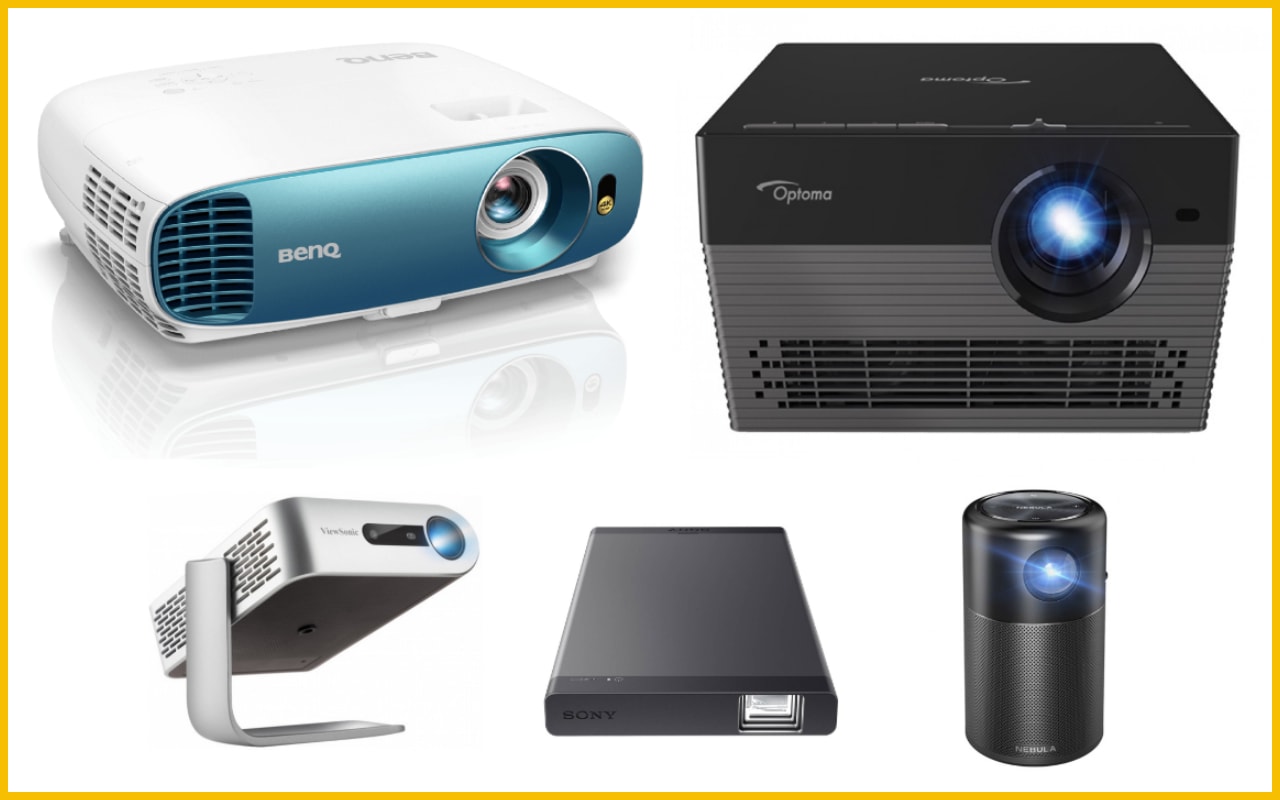

When individuals consider movie theaters, their focus is not on the projection booth but on the film they are going to watch, the showtime that suits them, and the comfort of the seats. They expect to experience the story through both sound and visuals, not to receive a technical lecture about the projector. This is why watching a movie in a theater is much more than just a film.

Get business pricing on your home office setup
- Business-only prices and quantity discounts
- Tax-exempt purchasing
- Multiple users, one account, clear invoices
Digital
The use of digital projectors in movie theaters has numerous benefits. First and foremost, they are more energy efficient than projectors that use film. Since electricity costs are often a significant part of movie theaters’ budgets, the technology helps the theaters operate more efficiently. Furthermore, these devices are safe for the environment. They can be used in all types of weather, which is an added bonus.
The basic technology for digital projectors is very similar to that used in traditional film projectors. It combines a light source and a computer to produce the image that you see on the screen. While the technology behind a conventional projector still remains relatively unchanged, the technology used in digital projectors is advancing.
Products Worth Considering

Philips Hue Bridge Pro Smart Lighting Hub, 1-Pack

Samsung 55-Inch M70H Series 4K HDR Mini-LED Smart TV with HDMI Cable and 12-Month CPS Warranty

Levoit Vital 100S-P Air Purifier with Washable Pre-Filter
As an affiliate, we earn on qualifying purchases.
Open
An open projector is a device that lets the audience view movies on the screen. These devices are generally used in movie theaters and have different characteristics. In general, an open projector has a rectangular body and is made of steel sheets. It contains the picture head, audio head, and lens assemblies. These parts are all produced by different companies and are then assembled on-site.
The light from the movie projector passes through a lens assembly and picture head. This assembly also contains a shutter. This shutter rotates about 24 times a second and synchronizes with the film’s advance. Without the shutter, the film would appear flickering. Some models have double shutters, so that the light that reaches the film arrives at the right time.
Laser
Laser projectors are used in movie theater, theme parks, and other venues to produce brighter images. They also provide a higher contrast ratio and last longer than traditional projector lamps. These projectors are used in the most advanced movie theaters and theme parks worldwide. While laser projectors are not yet widely used in movie theaters, they will likely be here soon.
The AMC Theatres company has announced that it will install laser projectors in 3,500 of its theaters over the next five years. The theaters will spend about $250 million for the new equipment. The laser technology is a product of Cinionic, a company that has installed over 30,000 laser projectors in cinemas around the world.