
To improve your sound without spending much, start with DIY bass traps made from dense materials like rockwool or mineral wool, placed in your room corners. Hang pillows, blankets, or quilts on walls and reflection points to absorb mid and high frequencies. Use affordable frames or repurpose household items for quick setup. These simple steps can greatly reduce echo and improve clarity, and if you keep exploring, you’ll discover even more effective budget-friendly sound treatments.
Key Takeaways
- Use dense materials like rockwool or mineral wool in homemade panels, covered with breathable fabric to absorb mid and high frequencies.
- Place bass traps made from thick foam or insulation in room corners to control low-frequency buildup.
- Identify reflection points with the mirror method and position DIY panels or blankets at these spots to reduce echo.
- Hang old blankets, quilts, or heavy curtains to improve sound absorption without significant expense.
- Build simple frames with inexpensive wood or PVC to create custom acoustic panels tailored to your room and budget.
Improving your room’s sound quality doesn’t have to be expensive or complicated; with some basic materials and a little DIY effort, you can considerably reduce echo and unwanted noise. The key lies in managing room reflection, which causes sound waves to bounce around and create a muddy, unfocused audio environment. To address this, start by understanding how sound behaves in your space. Hard surfaces like walls, ceilings, and floors reflect sound waves, leading to excessive echo. By strategically adding soft, absorbent materials, you can break up these reflections, making your audio clearer and more natural.
One effective DIY solution is to create your own bass traps. Bass trapping targets low-frequency sound waves that tend to build up in corners, causing boomy or muddy sounds. You don’t need professional-grade equipment—simple, homemade bass traps can do the trick. For example, you can use dense materials like rockwool or mineral wool, cut into thick panels. Wrap these in breathable fabric, such as burlap or old sheets, to prevent fibers from shedding. Then, place these panels in the corners of your room, especially where two walls meet. These spots tend to accumulate bass frequencies, so trapping them diminishes low-end muddiness and results in a tighter, more controlled sound.
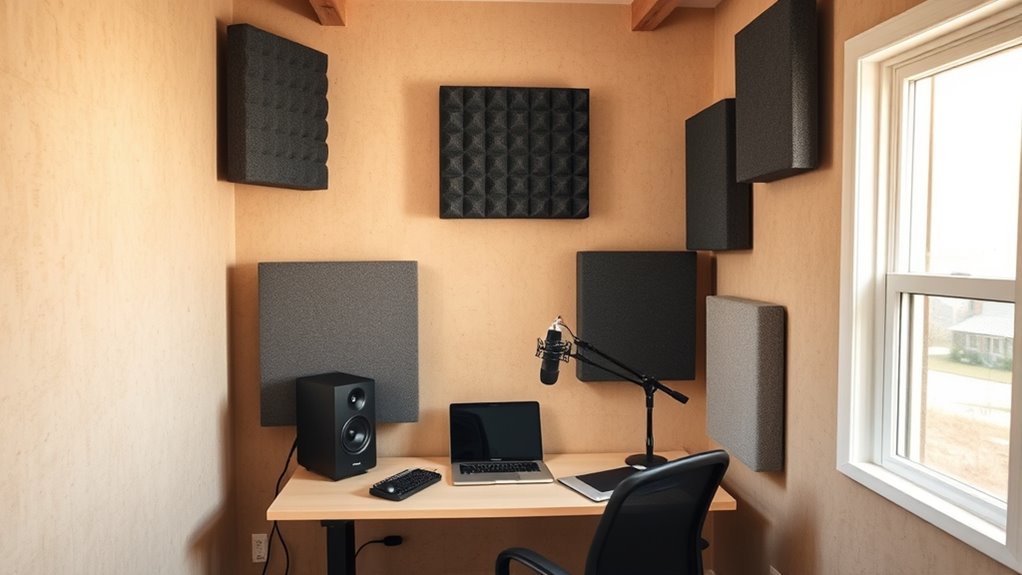
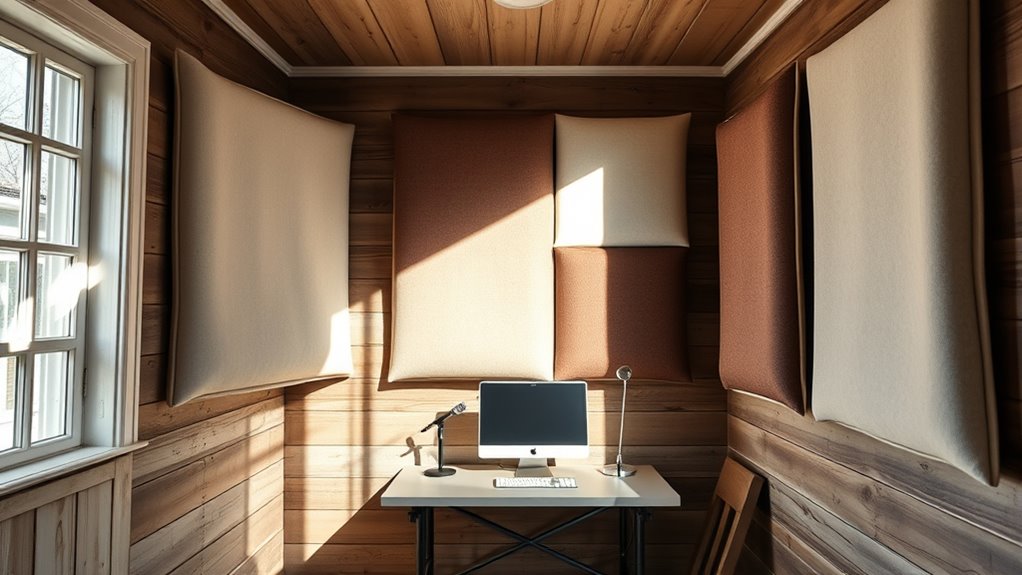
In addition to corners, consider treating wall surfaces that cause significant room reflection. Hang DIY acoustic panels made from the same dense insulation material covered with fabric. These panels absorb mid and high frequencies, reducing echo and flutter. Position them at reflection points — the spots where sound waves bounce directly from speakers or instruments toward your listening or recording area. To find these points, sit in your usual listening position, have someone move a mirror along the wall, and mark where you see the speakers’ reflection. This simple method ensures you target the most problematic reflection points without cluttering your space with unnecessary panels.
If you’re on a tight budget, improvisation is your friend. Old blankets, thick curtains, or even quilted comforters can serve as temporary acoustic treatments when hung on walls or in corners. For a more permanent setup, build frames using inexpensive wood or PVC pipes and stretch fabric or padding over them. This DIY approach allows you to customize your sound treatment to fit your room size and budget, making a noticeable difference in sound clarity. Remember, the goal is to minimize room reflection and trap bass at critical points, creating a balanced listening environment that’s both affordable and effective. Additionally, understanding sound reflection and how to control it is essential for achieving professional-quality sound in your space.

XHF 120 PCS Adhesive Cable Wire Clips Black, Outdoor Christmas Light Clips, Cable Management Wire Organizer Cord Holder for Under Desk, Car, Wall, TV PC Ethernet Cable
- High quality material:XHF Adhesive Cable Clips are manufactured...
- Widely used: USB Cable, Ethernet Cable, Outdoor...
- Size: Base 5/8" x 5/8", inner...
As an affiliate, we earn on qualifying purchases.
Frequently Asked Questions
Can Household Items Effectively Improve Room Acoustics?
Household solutions can effectively improve room acoustics if you do DIY experiments with them. Items like blankets, carpets, or even curtains help absorb sound reflections, reducing echo and noise. You can also use foam mats or pillows creatively. While they might not replace professional treatments, these household items are a practical, budget-friendly way to enhance sound quality in your space. Just experiment and see what works best for your room.
How Do I Prevent Echoes Without Professional Equipment?
To prevent echoes, you should focus on soundproofing techniques like adding soft furnishings, rugs, and curtains to absorb sound. Use studio design tips such as placing bookshelves or foam panels strategically to break up sound waves. These simple, budget-friendly solutions help reduce reflections and improve acoustics without professional equipment. Acting on these methods guarantees a clearer, more controlled sound environment for your space.
What Are the Best DIY Materials for Bass Trapping?
Looking to trap bass effectively on a budget? You can use DIY foam or recycled textiles as your best materials. Foam panels are easy to cut and install, absorbing low frequencies and preventing boomy sound. Recycled textiles, like old blankets or clothes, can be layered into homemade bass traps, offering an eco-friendly and affordable solution. These materials help you achieve clearer sound without spending a fortune.
How Often Should I Update My Acoustic Treatment?
You should review and update your acoustic treatment every 1-2 years, or when room dimensions change considerably. As acoustic frequency shifts with new equipment or layout adjustments, maintaining peak sound quality is crucial. Regularly evaluating your space helps identify areas needing improvement, ensuring bass trapping and panels effectively manage echo and resonance. Stay proactive, and you’ll keep your setup sounding great over time.
Are There Safety Concerns With Homemade Acoustic Panels?
Safety should be your top concern when creating homemade acoustic panels. You might worry about fire hazards or material toxicity, and rightly so. Make sure your materials are fire-retardant and non-toxic; avoid items like untreated foam or certain glues. Proper ventilation, careful handling, and thorough research help prevent potential problems. Prioritize safety, and your DIY project will be both effective and secure, providing peace of mind with every sound.

SOULWIT 50Pcs Self Adhesive Cable Management Clips - Black
- 🔷SUPER EASY TO USE: Stick to clean surface, open...
- 🔷PREMIUM MATERIAL: Made from eco-friendly Polyamide66 material,...
- 🔷STICKY IN MANY SURFACES: Works on all clean surfaces...
As an affiliate, we earn on qualifying purchases.
Conclusion
Think of your space as a musical instrument—you’re tuning it to perfection. With these DIY acoustic treatments, you’re like a skilled luthier shaping the sound to resonate just right. Every foam panel and makeshift bass trap is a string, bringing clarity and warmth to your setup. Remember, you’re the craftsman of your sonic sanctuary. Keep tweaking and experimenting, and soon your room will sing with clarity, making every note sound like a masterpiece.

120PCS XHF Adhesive Cable Wire Clips White, Cable Staples Outdoor Cable Management Wire Organizer Cord Holder for Under Desk, Car, Wall, TV PC Ethernet Cable
- High quality material:XHF Adhesive Cable Clips are manufactured...
- Widely used: USB Cable, Ethernet Cable, Outdoor...
- Size: Base 5/8" x 5/8", inner...
As an affiliate, we earn on qualifying purchases.