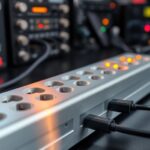
To protect your equipment effectively, use surge protectors to absorb voltage spikes caused by lightning or power fluctuations. For critical devices, connect them to a UPS to provide backup power and prevent data loss during outages. Regularly check and replace surge protectors as their energy absorption declines over time. Maintaining proper power management not only prevents damage and extends your device’s lifespan but also guarantees continuous performance—exploring more will reveal essential tips for safeguarding your tech.
Key Takeaways
- Use surge protectors with high joule ratings to absorb voltage spikes and shield your devices.
- Employ UPS systems for critical equipment to provide backup power during outages and prevent data loss.
- Regularly replace surge protectors as their energy absorption capacity diminishes over time.
- Maintain or replace UPS batteries following manufacturer guidelines to ensure reliable backup power.
- Implement power management strategies to prevent damage, extend device lifespan, and ensure continuous operation.
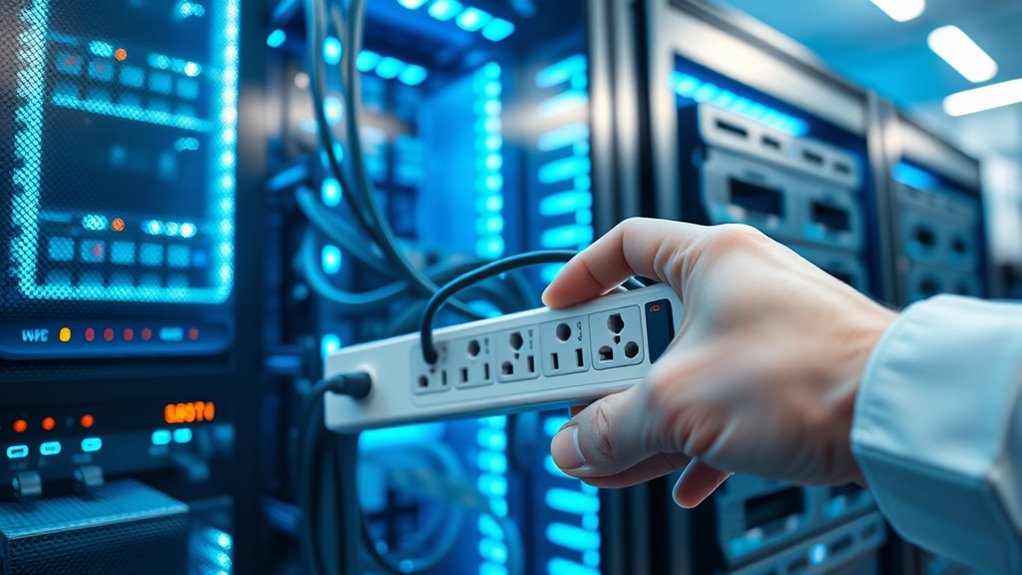
Have you ever wondered how your devices stay powered throughout the day without draining their batteries? The answer lies in effective power management, which involves protecting your equipment from power fluctuations and outages. One essential aspect of this is surge protection. Power surges are sudden increases in voltage that can occur due to lightning strikes, downed power lines, or switching operations in the grid. These surges can cause immediate damage or degrade the internal components of your devices over time, leading to costly repairs or replacements. That’s why investing in surge protectors is necessary. They act as a barrier, absorbing excess voltage and preventing it from reaching your sensitive electronics. Look for surge protectors with a high joule rating, which indicates their ability to absorb energy, and ensure they have a proper clamping voltage to effectively guard your equipment.
Beyond surge protection, UPS systems, or Uninterruptible Power Supplies, play a critical role in maintaining continuous power flow. When the main power supply suddenly fails, a UPS kicks in automatically, providing backup power instantly. This prevents abrupt shutdowns that can corrupt data or damage hardware. UPS systems come in various sizes and capacities, so you can choose one tailored to your needs—whether for a personal computer, a server room, or critical medical equipment. They also help stabilize power by filtering out noise and minor fluctuations, offering cleaner, more dependable electricity. Many UPS units include surge protection features as well, combining two layers of defense in one device. Using a UPS ensures your work remains uninterrupted during outages, giving you time to save files properly or shut down equipment safely.
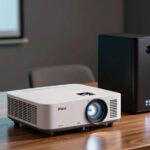
Implementing surge protection and UPS systems is straightforward and cost-effective. Start by identifying your most vulnerable devices and connecting them to surge protectors. For equipment crucial to your operations or sensitive data, consider installing a UPS to guarantee continuous power. Regularly check and replace surge protectors once their joule ratings diminish over time, and ensure your UPS batteries are maintained or replaced as recommended by the manufacturer. Additionally, understanding the importance of high-quality projectors for home entertainment setups can help you safeguard your investment in audiovisual equipment, ensuring long-lasting performance and protection from power anomalies. By doing so, you extend the lifespan of your devices and maintain productivity. Power management isn’t just about avoiding inconvenience; it’s about safeguarding your investment, preventing data loss, and ensuring your equipment functions at its best. With the right surge protection and UPS systems in place, you can face power fluctuations and outages with confidence, knowing your devices are shielded from harm.

AC Infinity AIRPLATE T7, Quiet Cooling Fan System 12" with Thermostat Control, for Home Theater AV Cabinets
An ultra-quiet UL-certified fan system designed for cooling cabinets that requires minimal noise.
As an affiliate, we earn on qualifying purchases.
Frequently Asked Questions
How Often Should I Test My Power Backup Systems?
You should test your power backup systems at least twice a year to make certain reliability. Regular backup testing frequency helps identify battery maintenance issues early and guarantees your system functions correctly when needed. During these tests, check for battery health, proper charging, and system responsiveness. Consistent testing keeps your equipment protected, reduces surprises during outages, and extends the lifespan of your backup solutions.
Can Power Surges Damage Sensitive Electronic Components?
While a power surge might seem like a minor inconvenience, it can actually be quite damaging to sensitive electronic components. Without proper surge protection, you’re risking circuit damage that could lead to costly repairs or replacements. You should always use surge protectors to shield your equipment from unexpected voltage spikes, ensuring your devices stay safe and maintain peak performance over time. Don’t underestimate the power of protection.
What Are the Signs of an Overloaded Power Strip?
You’ll notice signs of an overloaded power strip, like frequent tripping of circuit overload protection, overheating, or a burning smell. The power strip safety might be compromised if it feels warm or shows scorch marks. Avoid plugging in too many devices, as overload can cause damage or fire hazards. Always check your power strip’s capacity and distribute the load properly to prevent circuit overloads and make certain of safe operation.
How Does Temperature Affect Power Management Devices?
Heat is a double-edged sword for power management devices. When temperatures rise, thermal regulation becomes essential; excessive heat can cause devices to overheat, reducing device longevity and risking failure. You need to keep your equipment in a cool, well-ventilated environment to prevent this. Ignoring temperature effects is like playing with fire—over time, it’ll burn out your devices faster. Proper cooling safeguards your investment and keeps everything running smoothly.
Are There Eco-Friendly Options for Power Protection?
Yes, there are eco-friendly options for power protection. You can consider solar alternatives, which harness renewable energy and reduce your carbon footprint. Additionally, using energy-efficient devices helps lower overall power consumption and minimizes environmental impact. These options not only protect your equipment but also promote sustainability. By choosing solar-powered UPS systems or energy-efficient surge protectors, you actively contribute to a greener future while keeping your devices safe.
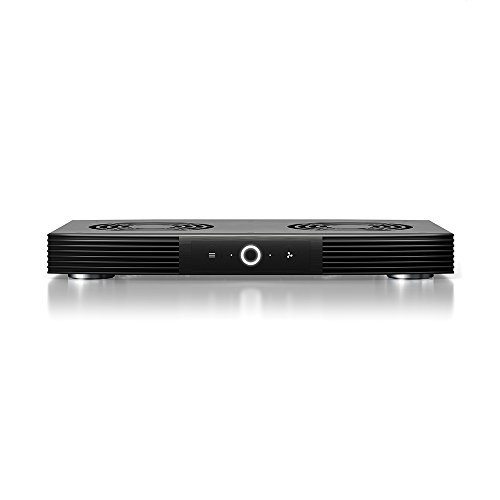
AC Infinity AIRCOM S7, Quiet Cooling Fan System 12" Top-Exhaust for Receivers, Amps, DVR, AV Cabinet Components
A quiet fan system designed for cooling routers, modems, game consoles, and other AV components.
As an affiliate, we earn on qualifying purchases.
Conclusion
By managing your power wisely, you can prevent costly equipment damage and downtime. Did you know that power surges cause over $1 billion in damages annually? Taking simple steps like using surge protectors and uninterruptible power supplies can make a huge difference. Protecting your equipment isn’t just smart—it’s essential for keeping your operations running smoothly and saving money in the long run. Stay vigilant, and your gear will thank you.

AC Infinity AIRPLATE S1, Quiet Cooling Fan System 4" with Speed Control, for Home Theater AV Cabinets
An ultra quiet fan system designed for cooling cabinets that requires minimal noise.
As an affiliate, we earn on qualifying purchases.
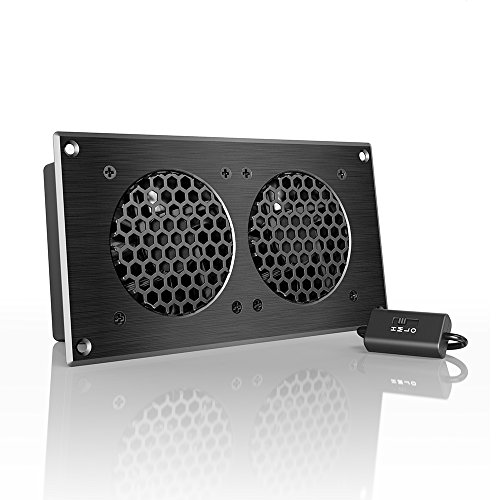
AC Infinity AIRPLATE S5, Quiet Cooling Fan System 8" with Speed Control, for Home Theater AV Cabinets
An ultra-quiet UL-certified fan system designed for cooling cabinets that requires minimal noise.
As an affiliate, we earn on qualifying purchases.