For most home theaters, I’d start with the SVS SB-1000 Pro: its sealed design and app-based controls suit listeners who want adaptable bass without a large cabinet. The Klipsch Reference R-121SW is a stronger fit for buyers prioritizing a larger 12-inch driver, while the compact Edifier T5s makes more sense for smaller rooms and simpler systems. The main tradeoffs are cabinet size, connection and control options, and how much low-frequency output your room and speakers can use. Some picks are standalone subwoofers, while the Saiyin is a soundbar-and-subwoofer package, so system compatibility matters as much as bass capability. Read on for the full breakdown and help matching a pick to your room, receiver, and listening habits.

Get business pricing on your home office setup
- Business-only prices and quantity discounts
- Tax-exempt purchasing
- Multiple users, one account, clear invoices
Complete the kit


Key Takeaways
- The SVS SB-1000 Pro is the most adaptable pick: its sealed 12-inch design and app controls favor buyers who want more say over placement and bass tuning.
- Large-driver Klipsch models prioritize home-theater impact: the R-121SW, R-12SW, and R-120SW offer a different room-fit proposition from compact 10-inch models.
- Small systems have credible alternatives to large cabinets: the Edifier T5s and BESTISAN Basscore 80 bring 8-inch formats to buyers with limited space or simpler setups.
- The lineup is not all standalone subwoofers: the Saiyin includes a soundbar, which can suit a TV-centered system but is not a like-for-like choice for an AV receiver setup.
- Brand repetition does not mean identical fit: Klipsch’s 10-inch, 12-inch, and Reference Premiere options span different size and performance priorities, while Polk and Sony offer distinct alternatives.
| Klipsch Reference R-121SW 12-Inch Front-Firing Subwoofer |  | Best Overall for Traditional Home Theater Systems | Woofer diameter: 12 inches | Maximum output power: 400 watts | Amplifier: All-digital | VIEW LATEST PRICE | See Our Full Breakdown |
| SVS SB-1000 Pro Sealed Subwoofer, 12-Inch Driver, Black Ash |  | Best Compact Premium Pick | Driver: 12-inch high-excursion woofer | Amplifier: 325 watts RMS; 820+ watts peak | Cabinet: Sealed, internally braced MDF | VIEW LATEST PRICE | See Our Full Breakdown |
| BESTISAN Basscore 80 Powered 8-Inch Subwoofer |  | Best for Flexible Entry-Level Connections | Woofer diameter: 8 inches | Amplifier: Class-D | Power output: 100W RMS / 150W peak | VIEW LATEST PRICE | See Our Full Breakdown |
| Edifier T5s 70W Powered Subwoofer with 8-Inch Woofer, Black |  | Best for Simple Speaker Integration | Amplifier output: 70W RMS | Woofer diameter: 8 inches | Frequency response: 35 Hz | VIEW LATEST PRICE | See Our Full Breakdown |
| Klipsch Synergy Black Label SUB-120 12-Inch Front-Firing Subwoofer |  | Best for Big-Cabinet 12-Inch Bass | Driver: 12-inch front-firing spun-copper Cerametallic woofer | Power: 200 watts continuous; 400 watts dynamic | Maximum output power: 420 watts | VIEW LATEST PRICE | See Our Full Breakdown |
| Sony SA-CS9M2 10-Inch Subwoofer |  | Best Compact Pick | Type: Active subwoofer | Driver: 10-inch reinforced driver | Maximum output power: 230 watts | VIEW LATEST PRICE | See Our Full Breakdown |
| ULTIMEA SUB12 12-Inch Powered Subwoofer with Wireless Adapter and App Bass Control |  | Best for Tuning Flexibility | Driver size: 12 inches | Peak power: 900W | Frequency response: Down to 18Hz | VIEW LATEST PRICE | See Our Full Breakdown |
| Saiyin Soundbar with Subwoofer for TV and PC |  | Best Entry-Level TV Bundle | System type: Stereo soundbar with subwoofer | Subwoofer diameter: 5 inches | Soundbar size: 16.9 inches | VIEW LATEST PRICE | See Our Full Breakdown |
| Klipsch R-12SW 12-Inch 400W Subwoofer |  | Best for Traditional Receiver Setups | Woofer: 12-inch copper-spun, front-firing | Amplifier power: 400 watts | Frequency response: 29–120Hz | VIEW LATEST PRICE | See Our Full Breakdown |
| Klipsch Synergy Black Label SUB-100 10-Inch Front-Firing Subwoofer |  | Best Smaller Receiver-Matched Pick | Driver: 10-inch front-firing spun copper Cerametallic | Continuous power: 150 watts | Dynamic power: 300 watts | VIEW LATEST PRICE | See Our Full Breakdown |
| Polk Audio Signature Elite ES12 12-Inch Powered Subwoofer, Black | 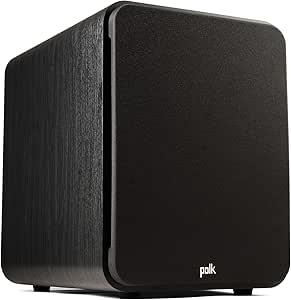 | Best for Deep-Bass Home Theaters | Amplifier: 300W Class D | Woofer: 12-inch long-throw mineral-filled polymer cone | Frequency response: Down to 18 Hz (as stated in product description) | VIEW LATEST PRICE | See Our Full Breakdown |
| Klipsch Reference Premiere RP-1000SW 10″ High Excursion Subwoofer |  | Best Premium 10-Inch Pick | Woofer: 10-inch front-firing spun copper Cerametallic | Frequency response: 20 Hz (listed) | Amplifier: High-efficiency Class D; wattage not specified in supplied data | VIEW LATEST PRICE | See Our Full Breakdown |
| Klipsch R-120SW 12-Inch Subwoofer, Black |  | Best Straightforward 12-Inch Upgrade | Woofer: 12-inch spun-copper IMG | Amplifier power: 200W continuous / 400W peak | Frequency response: 29–120 Hz (±3 dB) | VIEW LATEST PRICE | See Our Full Breakdown |
| Polk Audio PSW10 10-Inch Powered Subwoofer | 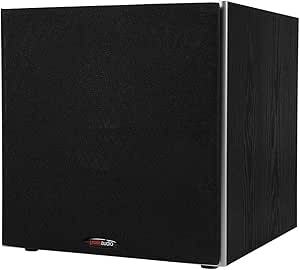 | Best for Entry-Level Systems | Woofer: 10-inch Dynamic Balance | Amplifier power: 50W RMS / 100W dynamic | Frequency response: 40–160 Hz (-3 dB) | VIEW LATEST PRICE | See Our Full Breakdown |
| Klipsch R-120SW 12-Inch Subwoofer Pair |  | Best for Dual-Subwoofer Setups | Quantity: 2 subwoofers | Woofer: 12-inch per subwoofer | Power per subwoofer: 200W continuous / 400W dynamic | VIEW LATEST PRICE | See Our Full Breakdown |
| home theater subwoofer | Connectivity | Dimensions |
|---|---|---|
| Klipsch Reference R-121SW 12-I | Wired | — |
| SVS SB-1000 Pro Sealed Subwoof | — | 13 × 14.76 × 13.5 inches |
| BESTISAN Basscore 80 Powered 8 | LFE, RCA/AUX, and high-level speaker input | 11.3 × 6.2 × 15.4 inches (H × W × D) |
| Edifier T5s 70W Powered Subwoo | Wired RCA | — |
| Klipsch Synergy Black Label SU | Wired | 21.3 H × 17.7 W × 23.7 D inches |
| Sony SA-CS9M2 10-Inch Subwoofe | Coaxial | 18.7 × 14.8 × 17.4 inches |
| ULTIMEA SUB12 12-Inch Powered | — | — |
| Saiyin Soundbar with Subwoofer | — | — |
| Klipsch R-12SW 12-Inch 400W Su | Wired | 23.75 × 20 × 18 inches |
| Klipsch Synergy Black Label SU | Wired; no wireless | 14 × 12.5 × 15.7 inches (H × W × D) |
| Polk Audio Signature Elite ES1 | Wired RCA | — |
| Klipsch Reference Premiere RP- | RCA | — |
| Klipsch R-120SW 12-Inch Subwoo | Wired RCA | — |
| Polk Audio PSW10 10-Inch Power | — | 17 × 14.25 × 14.5 inches |
| Klipsch R-120SW 12-Inch Subwoo | Wired RCA; line/LFE inputs | 19.2 × 14 × 16.5 inches |
More Details on Our Top Picks
Klipsch Reference R-121SW 12-Inch Front-Firing Subwoofer
The Klipsch Reference R-121SW is my strongest all-around pick here for a receiver-based theater that has room for a full-size, floor-standing subwoofer. Its 12-inch front-firing driver and all-digital amplifier are aimed at delivering substantial low-frequency output, while crossover and phase controls give you tools to blend it with your main speakers. Compared with the SVS SB-1000 Pro, it favors a conventional, larger-box approach over a compact sealed cabinet with app-based tuning. That makes it a straightforward fit for buyers who want physical controls and standard LFE connectivity, but less appealing if you need fine adjustments from your listening seat. It is wired only, and its stated enclosure material is copper, so I would verify cabinet details with the seller if that spec matters to your setup.
Pros:- 12-inch driver is designed for low-frequency response with reduced cone breakup.
- All-digital amplifier is intended to deliver efficient, accurate output.
- Front-firing layout allows flexible positioning within a room.
- Line/LFE inputs support standard AV receiver connections.
Cons:- Wired connection limits placement to locations reachable by an audio cable.
- Floor-standing size may be difficult to fit in compact rooms.
- No app-based tuning or wireless controls are listed.
Best for: Home theater owners with an AV receiver, space for a floor-standing 12-inch subwoofer, and a preference for direct crossover and phase controls.
Not ideal for: Apartment listeners seeking a compact cabinet, wireless placement, or smartphone-based room tuning.
- Woofer diameter:12 inches
- Maximum output power:400 watts
- Amplifier:All-digital
- Driver orientation:Front-firing
- Mounting type:Floor-standing
- Inputs:Line/LFE
- Controls:Low-pass crossover and phase control
- Connectivity:Wired
Our verdict“Choose the R-121SW for a conventional receiver-based theater where 12-inch output and hands-on integration controls matter more than compact size or app tuning.”
SVS SB-1000 Pro Sealed Subwoofer, 12-Inch Driver, Black Ash
For buyers who want a 12-inch driver without giving a large share of the room to the subwoofer, I would put the SVS SB-1000 Pro near the top of the shortlist. Its sealed, internally braced MDF cabinet measures 13 × 14.76 × 13.5 inches, a much more space-conscious footprint than the floor-standing Klipsch R-121SW or SUB-120. The 325-watt RMS amplifier and high-excursion driver are designed for controlled bass, while the DSP smartphone app adds presets and tuning that the Klipsch models in this batch do not offer. The tradeoff is that app adjustments require a compatible phone, and its corded power still needs an outlet nearby. I would choose it for flexible setup control, not for shoppers who want a simple, screen-free control experience.
Pros:- Compact sealed cabinet takes less floor space than the full-size Klipsch options here.
- 12-inch high-excursion driver and 325-watt RMS amplifier are built for substantial, controlled bass.
- DSP app provides volume adjustment, presets, and room tuning.
- Internally braced MDF cabinet is designed to reduce resonance.
Cons:- Smartphone app controls depend on a compatible phone.
- Corded power requires a nearby outlet.
- App-based tuning may be more involved than the direct crossover and phase controls on the R-121SW.
Best for: Home theater owners in smaller rooms who want a compact 12-inch sealed subwoofer and app-based adjustment of levels and presets.
Not ideal for: Buyers who prefer physical-only controls, do not use a compatible smartphone, or need a wireless power-and-audio setup.
- Driver:12-inch high-excursion woofer
- Amplifier:325 watts RMS; 820+ watts peak
- Cabinet:Sealed, internally braced MDF
- Dimensions:13 × 14.76 × 13.5 inches
- Weight:12.13 kg
- Control:Smartphone app
- Power source:Corded electric
- Color:Black Ash
Our verdict“Pick the SB-1000 Pro if you need a compact 12-inch theater subwoofer with app-based tuning rather than a larger traditional cabinet.”
BESTISAN Basscore 80 Powered 8-Inch Subwoofer
The BESTISAN Basscore 80 is the connection-friendly option for a modest theater setup built around smaller speakers or a device without a dedicated subwoofer output. Its LFE, RCA/AUX, and high-level speaker inputs give it more ways into a system than the RCA-only Edifier T5s. At 8 inches and 100 watts RMS, it is better suited to adding weight and definition to everyday movie playback than to filling a large room with forceful bass. The stated extension to 35Hz gives buyers a useful published low-frequency figure, but it does not make this a peer to the 12-inch SVS or Klipsch models for scale. Its slim MDF enclosure can fit beside a sofa or under a desk, though wired connections still dictate where it can sit.
Pros:- LFE, RCA/AUX, and high-level inputs suit a range of system configurations.
- 100W RMS Class-D amplifier with 150W peak output.
- Adjustable low-pass filter helps match the subwoofer to the main speakers.
- Slim MDF cabinet is designed to fit beside furniture or under a desk.
Cons:- 8-inch woofer is a smaller-scale choice than the 12-inch drivers in the SVS and Klipsch models.
- Wired connectivity restricts placement to cable reach.
- Automatic standby activates after 15 minutes without a signal, which may not suit every listening pattern.
Best for: Buyers building a small-room theater with compact speakers, especially those who need high-level inputs or RCA/AUX connectivity.
Not ideal for: Owners of large listening rooms or viewers seeking the deeper, room-filling output expected from a 12-inch subwoofer.
- Woofer diameter:8 inches
- Amplifier:Class-D
- Power output:100W RMS / 150W peak
- Frequency extension:Down to 35Hz
- Crossover:Adjustable low-pass filter
- Connectivity:LFE, RCA/AUX, and high-level speaker input
- Dimensions:11.3 × 6.2 × 15.4 inches (H × W × D)
- Automatic standby:After 15 minutes without a signal
Our verdict“Choose the Basscore 80 for a compact, flexible hookup in a small theater, but step up to a 12-inch model for larger rooms or more forceful bass.”
Edifier T5s 70W Powered Subwoofer with 8-Inch Woofer, Black
The Edifier T5s suits a compact system where basic, hands-on integration matters more than high output. Its 8-inch long-throw driver, 30–160 Hz low-pass filter, and 0°/180° phase selector let owners adjust how it joins compatible speakers; the included RCA and 3.5 mm-to-RCA cables also make setup less dependent on sourcing accessories. Compared with the BESTISAN Basscore 80, the T5s offers a clearly specified phase selector but fewer listed input types, so I would check the connection path before choosing it. It is also the least powerful amplifier in this group at 70W RMS, making it a better match for a small room than a large theater. One specific limitation: its no-sub-out connection method requires the main speaker to have a LINE IN port.
Pros:- Low-pass filter spans 30–160 Hz for matching the subwoofer to compatible speakers.
- Phase selector offers 0° and 180° settings for integration flexibility.
- Includes RCA and 3.5 mm-to-RCA cables.
- MDF cabinet, front-firing driver, and acoustic port suit compact placement.
Cons:- 70W RMS output is lower than the 100W RMS BESTISAN and the larger 12-inch options.
- Wired RCA connectivity does not offer wireless placement.
- No-sub-out hookup requires the main speaker to have a LINE IN port.
Best for: Small-room theater and TV audio buyers with compatible RCA or LINE IN connections who want straightforward crossover and phase adjustments.
Not ideal for: Owners of larger rooms, systems needing high-level speaker inputs, or setups where the main speaker lacks a LINE IN port.
- Amplifier output:70W RMS
- Woofer diameter:8 inches
- Frequency response:35 Hz
- Low-pass filter:30–160 Hz
- Phase selector:0°/180°
- Cabinet material:18 mm MDF
- Connectivity:Wired RCA
- Automatic standby:After 15 minutes of inactivity
Our verdict“The T5s is a sensible compact add-on for compatible speakers in a small room, but its output and connection requirements make it a poor fit for larger or less flexible systems.”
Klipsch Synergy Black Label SUB-120 12-Inch Front-Firing Subwoofer
The Klipsch Synergy Black Label SUB-120 is the pick for buyers who want a traditional, full-size 12-inch subwoofer and do not need a compact footprint. Its front-firing Cerametallic woofer and all-digital amplifier are intended to add low-frequency weight to a receiver-based theater, while the listed 200 watts continuous and 400 watts dynamic output give a clearer power breakdown than the R-121SW’s single 400-watt maximum-output figure. Against the SVS SB-1000 Pro, the SUB-120 is much larger at 21.3 × 17.7 × 23.7 inches and lacks the SVS app’s presets and tuning. That bulk may suit a dedicated theater with floor space, but it is a poor match for tight rooms. It also arrives without connection wires, so plan to supply the audio cable separately.
Pros:- 12-inch front-firing Cerametallic woofer is designed for home theater bass.
- All-digital amplifier lists 200 watts continuous and 400 watts dynamic power.
- Designed to connect with almost any AV receiver.
- Removable grille allows a choice between covered and exposed-driver appearance.
Cons:- Large 21.3 × 17.7 × 23.7-inch cabinet needs substantial floor space.
- Connection wires are not included.
- No smartphone app or wireless connectivity is listed.
Best for: Home theater owners with room for a large floor-standing cabinet who want a 12-inch front-firing driver and a conventional receiver connection.
Not ideal for: Apartment or small-room buyers who need a compact subwoofer, app-based tuning, or included connection wires.
- Driver:12-inch front-firing spun-copper Cerametallic woofer
- Power:200 watts continuous; 400 watts dynamic
- Maximum output power:420 watts
- Amplifier:All-digital
- Dimensions:21.3 H × 17.7 W × 23.7 D inches
- Weight:36.4 pounds
- Connectivity:Wired
- Warranty:3 years parts and labor
Our verdict“Choose the SUB-120 for a spacious theater that can accommodate a large 12-inch cabinet, and favor the SVS SB-1000 Pro if compact placement or app tuning matters more.”
Sony SA-CS9M2 10-Inch Subwoofer
The Sony SA-CS9M2 suits a theater setup that needs a dedicated bass speaker without moving up to a larger 12-inch cabinet. Its 10-inch reinforced driver and bass-reflex enclosure are aimed at adding weight to movie effects while keeping low-frequency sound controlled. Compared with the larger Klipsch R-12SW, Sony’s smaller driver and compact-design positioning make it a more space-conscious choice, though the listed dimensions still call for a proper floor or shelf footprint. The stated 230-watt maximum output gives buyers a useful power figure, but it is not directly comparable to the Klipsch’s 400-watt amplifier rating. The main limitation is connection flexibility: the product data lists coaxial connectivity, rather than the more clearly specified line-level and LFE inputs found on the R-12SW. I’d shortlist it for a compatible system where placement and a restrained cabinet matter more than broad input options.
Pros:- 10-inch reinforced driver adds dedicated low-frequency output without a 12-inch driver.
- Bass-reflex enclosure is designed to support deeper bass from the cabinet.
- Low-vibration construction is intended to keep bass sound tight.
- Shelf- and floor-mount options offer placement flexibility.
Cons:- Connectivity is listed as coaxial, which may limit compatibility with some receivers.
- The 10-inch driver is a smaller option than the 12-inch drivers in the Klipsch R-12SW and ULTIMEA SUB12.
- No wireless connection is specified.
Best for: Home theater owners seeking a 10-inch active subwoofer for a compact room or a placement-constrained setup, provided their system supports its listed coaxial connection.
Not ideal for: Buyers who need standard line-level or LFE connections, wireless placement, or a larger-driver option for a more forceful low-frequency presentation.
- Type:Active subwoofer
- Driver:10-inch reinforced driver
- Maximum output power:230 watts
- Enclosure:Bass reflex
- Connectivity:Coaxial
- Mounting:Shelf or floor
- Dimensions:18.7 × 14.8 × 17.4 inches
- Weight:9.45 kg
Our verdict“Choose the Sony SA-CS9M2 for a space-conscious 10-inch home theater setup if its coaxial connection matches your system.”
ULTIMEA SUB12 12-Inch Powered Subwoofer with Wireless Adapter and App Bass Control
The ULTIMEA SUB12 is the most adjustment-focused choice in this group: its app offers crossover, volume, four-band parametric EQ, and fine phase control, so buyers can shape bass around their room and speaker placement. The included wireless adapter can help place the subwoofer away from the system, and it can pair with a second SUB12 for a two-sub setup. Compared with the simpler Klipsch R-12SW, the ULTIMEA gives more detailed tuning and more connection types, including XLR balanced and speaker-level inputs. Its stated response down to 18Hz also reaches below the Klipsch’s listed 29Hz lower limit, though real results depend on the room and system. The tradeoffs are practical: every sub still needs AC power, and soundbar compatibility depends on a suitable low-level output. I’d favor it for configurable systems, not plug-and-play soundbars with passive-subwoofer outputs.
Pros:- App provides volume, crossover, four-band parametric EQ, and precise phase adjustment.
- Included wireless adapter allows more flexible placement and supports pairing two SUB12 units.
- RCA, XLR balanced, Line/LFE, and speaker-level connections suit a range of systems.
- Stated frequency response reaches down to 18Hz.
Cons:- Wireless placement does not remove the need for AC power at the subwoofer.
- Some soundbars are incompatible, particularly models designed for passive subwoofers.
- More app controls may be unnecessary for buyers who want a simple, fixed setup.
Best for: Home theater owners who want app-based room and phase adjustments, flexible placement, or the option to pair two subwoofers.
Not ideal for: Soundbar owners whose system lacks a compatible low-level subwoofer output, or buyers who need a subwoofer that can operate without a nearby AC outlet.
- Driver size:12 inches
- Peak power:900W
- Frequency response:Down to 18Hz
- Low-pass crossover:30–180Hz
- Phase adjustment:0°–180° in 1° steps via app; rear-panel 0° or 180° switch
- Inputs:Line/LFE, RCA, XLR balanced, and speaker-level
- Wireless adapter:Included; can pair with up to two SUB12 units
- Enclosure material:Engineered wood
- Power requirement:AC power required for each subwoofer
Our verdict“Pick the ULTIMEA SUB12 if fine app tuning and flexible placement matter more to you than simple soundbar compatibility.”
Saiyin Soundbar with Subwoofer for TV and PC
The Saiyin soundbar system is the outlier here: it is a complete stereo TV audio bundle with a dedicated 5-inch subwoofer, not a standalone home theater subwoofer for a receiver-based speaker system. Bluetooth, optical, and auxiliary connections, plus three EQ modes, make it a straightforward fit for a TV or PC setup that needs a little more bass than built-in speakers provide. Compared with the standalone Sony SA-CS9M2 or Klipsch R-12SW, it asks less of the buyer’s existing audio system, but its small subwoofer driver and stereo format offer a more limited home theater role. The system also does not support Dolby or DTS, which rules it out for buyers building around those formats. I’d choose it for simple TV audio, rather than as the foundation of a surround-sound upgrade.
Pros:- Includes a soundbar and dedicated 5-inch subwoofer in one system.
- Bluetooth, optical, and auxiliary connections cover common TV and PC setups.
- Three EQ modes offer quick adjustments for news, movies, and music.
- Wall-mounting brackets, cables, and remote are included.
Cons:- Does not support Dolby or DTS audio formats.
- The 5-inch subwoofer is more limited in scale than the 10- and 12-inch standalone options here.
- Subwoofer connection must use the labeled SUB OUT port.
Best for: TV and PC owners who want a bundled soundbar and subwoofer with basic wireless and wired input options.
Not ideal for: Home theater builders seeking a standalone subwoofer for an AV receiver, surround sound, or Dolby- and DTS-based playback.
- System type:Stereo soundbar with subwoofer
- Subwoofer diameter:5 inches
- Soundbar size:16.9 inches
- Connections:Bluetooth, optical, and auxiliary
- Maximum Bluetooth range:10 meters
- Equalizer modes:Three: news, movies, and music
- Control:Remote
- Mounting:Wall mount
- Audio format support:Does not support Dolby or DTS
Our verdict“Choose the Saiyin bundle for simple TV or PC audio, but skip it if you need a standalone subwoofer for a receiver-based theater.”
Klipsch R-12SW 12-Inch 400W Subwoofer
The Klipsch R-12SW is a straightforward 12-inch choice for buyers with an AV receiver and room for a substantial floor-standing cabinet. Its front-firing copper-spun woofer, 400-watt amplifier rating, and line-level and LFE inputs make it a more conventional receiver match than the app-dependent ULTIMEA SUB12. The Klipsch also provides low-pass crossover and phase controls, giving owners basic ways to blend it with their main speakers. Its listed 29–120Hz response is narrower at the low end than the ULTIMEA’s stated reach to 18Hz, and it lacks that model’s wireless adapter and detailed app EQ. Compared with the smaller Klipsch SUB-100, the R-12SW uses a larger driver and has a higher stated amplifier output, but it takes up more space. Choose it for a wired theater setup; skip it if placement flexibility is a priority.
Pros:- 12-inch front-firing copper-spun woofer is sized for a full home theater setup.
- 400-watt amplifier rating is higher than the SUB-100’s stated 150 watts continuous power.
- Line-level and LFE inputs suit many AV receivers.
- Low-pass crossover and phase controls support basic system matching.
Cons:- Wired connectivity offers less placement flexibility than the ULTIMEA SUB12’s wireless adapter.
- Its stated 29Hz lower frequency limit does not reach as low as the ULTIMEA’s listed 18Hz.
- Large floor-standing dimensions may be difficult to accommodate in smaller rooms.
Best for: AV receiver owners seeking a conventional wired 12-inch subwoofer with LFE input and basic crossover and phase controls.
Not ideal for: Buyers with limited floor space, a need for wireless placement, or a system that depends on deeper stated bass extension than 29Hz.
- Woofer:12-inch copper-spun, front-firing
- Amplifier power:400 watts
- Frequency response:29–120Hz
- Inputs:Line-level and LFE
- Controls:Low-pass crossover and phase
- Mounting:Floor standing
- Connectivity:Wired
- Dimensions:23.75 × 20 × 18 inches
- Warranty:2 years
Our verdict“Choose the Klipsch R-12SW for a wired receiver-based theater with room for a 12-inch subwoofer.”
Klipsch Synergy Black Label SUB-100 10-Inch Front-Firing Subwoofer
The Klipsch Synergy Black Label SUB-100 is a smaller-format alternative for buyers who want a dedicated subwoofer but cannot accommodate the R-12SW’s larger cabinet. Its 10-inch front-firing Cerametallic woofer and all-digital amplifier are paired with 150 watts continuous and 300 watts dynamic power, making the power figures easy to distinguish from the R-12SW’s 400-watt rating. The shorter cabinet footprint is the clearer reason to choose it over that 12-inch model; the tradeoff is a smaller driver and lower continuous power rating. Unlike the Saiyin soundbar bundle, this is a standalone subwoofer intended to connect to an AV receiver, processor, or preamp, so it suits an existing speaker system rather than replacing one. Connection wires are not included, and its wired design means placement depends on your cable run.
Pros:- 10-inch front-firing Cerametallic woofer offers a smaller-driver alternative to the R-12SW.
- All-digital amplifier is specified with 150 watts continuous and 300 watts dynamic power.
- Removable grille and contemporary finish suit visible living-room placement.
- Requires an AV receiver, processor, or preamp, making it a standalone option for existing systems.
Cons:- Connection wires are not included.
- Wired-only connectivity limits placement to the reach of the cable.
- Its 10-inch driver and 150-watt continuous rating are more modest than the R-12SW’s 12-inch woofer and 400-watt rating.
Best for: Owners of an AV receiver or preamp who need a standalone 10-inch subwoofer with a smaller cabinet than the Klipsch R-12SW.
Not ideal for: Buyers who need a complete TV audio system, wireless placement, included connection wires, or the larger driver and higher amplifier rating of a 12-inch model.
- Driver:10-inch front-firing spun copper Cerametallic
- Continuous power:150 watts
- Dynamic power:300 watts
- Amplifier:All-digital
- Dimensions:14 × 12.5 × 15.7 inches (H × W × D)
- Weight:25.5 pounds
- Connectivity:Wired; no wireless
- System connection:AV receiver, processor, or preamp
- Warranty:5 years labor, 5 years parts
Our verdict“Pick the SUB-100 for a smaller standalone subwoofer in an existing receiver-based setup, and choose the R-12SW if driver size and stated amplifier power take priority.”
Polk Audio Signature Elite ES12 12-Inch Powered Subwoofer, Black
The Polk Audio Signature Elite ES12 is the strongest fit here for buyers who want a 12-inch subwoofer built around low-frequency extension and room integration. Its stated response down to 18 Hz reaches below the R-120SW’s listed 29 Hz lower limit, while the 300-watt Class D amplifier gives it more rated power than that Klipsch model’s 200-watt continuous output. Dual Power Ports and a braced cabinet are intended to limit port noise and cabinet resonance when action scenes get demanding. The 360-degree phase control also offers finer adjustment than a simple toggle. The tradeoff is a wired RCA connection, so placement depends on cable reach; buyers seeking a simpler, less powerful setup may prefer the Polk PSW10. I’d choose the ES12 for a larger theater where bass depth matters more than wireless convenience.
Pros:- Stated frequency response reaches down to 18 Hz.
- 300-watt Class D amplifier paired with a 12-inch long-throw woofer.
- Dual Power Ports are designed to reduce turbulence and audible port noise.
- 360-degree phase control gives flexibility when matching bass to main speakers.
Cons:- Wired RCA connectivity can limit placement when the receiver is far from the subwoofer.
- Its 12-inch, ported design may be more subwoofer than a small room or modest system needs.
- Not water resistant.
Best for: Home theater owners with a larger listening room who want extended low bass, a 12-inch driver, and fine phase adjustment.
Not ideal for: Buyers who need wireless placement flexibility or a smaller, lower-output subwoofer for a compact room.
- Amplifier:300W Class D
- Woofer:12-inch long-throw mineral-filled polymer cone
- Frequency response:Down to 18 Hz (as stated in product description)
- Phase control:360-degree adjustment
- Connectivity:Wired RCA
- Cabinet:Ported MDF
- Finish:Black vinyl
Our verdict“Choose the ES12 for a wired home theater where deep extension and adjustable integration matter more than compact size.”
Klipsch Reference Premiere RP-1000SW 10″ High Excursion Subwoofer
The Klipsch Reference Premiere RP-1000SW is the premium 10-inch choice for a home theater that needs strong output without moving to a 12-inch cabinet. Its front-firing Cerametallic driver and flared front slot port are designed to deliver forceful bass while reducing port turbulence, making its orientation less dependent on rear-port clearance than the Klipsch R-120SW. The product lists response to 20 Hz, an unusually low stated limit for this lineup’s 10-inch options, though no amplifier wattage is supplied in the provided specifications. Its MDF cabinet, reinforced finish, and included grille details support a more polished system setup. The compromise is that it still needs wired RCA connectivity, and its premium design may be unnecessary for casual TV listening. I’d favor it over the Polk PSW10 when output and extension take priority over basic, flexible connections.
Pros:- Listed frequency response reaches 20 Hz.
- Front-firing driver and slot port ease placement compared with a rear-ported design.
- Cerametallic woofer and high-efficiency Class D amplifier are designed for high output.
- Ebony vinyl finish, grille, and shock-absorbing feet suit a more polished theater setup.
Cons:- The supplied product data does not state amplifier wattage.
- Wired RCA connection does not provide wireless placement flexibility.
- A premium 10-inch model may be excessive for modest systems that only need basic TV bass.
Best for: Home theater owners seeking a higher-performance 10-inch subwoofer with front-facing porting and a refined cabinet finish.
Not ideal for: Budget-minded buyers or anyone who needs confirmed amplifier power specifications and wireless connectivity.
- Woofer:10-inch front-firing spun copper Cerametallic
- Frequency response:20 Hz (listed)
- Amplifier:High-efficiency Class D; wattage not specified in supplied data
- Port:Front slot port with internal flare technology
- Connectivity:RCA
- Enclosure:MDF with ebony vinyl finish
- Mounting:Floor standing
Our verdict“Pick the RP-1000SW if you want a feature-rich 10-inch theater subwoofer and can accept wired setup with no listed wattage.”
Klipsch R-120SW 12-Inch Subwoofer, Black
The Klipsch R-120SW offers a direct route to bigger, more physical theater bass: a 12-inch spun-copper IMG woofer, 200 watts continuous power, and 400 watts peak. Its listed 116 dB maximum acoustic output points to ample headroom for movie effects, while the wood enclosure keeps the setup familiar and floor-standing. Compared with the Polk Signature Elite ES12, it has lower stated continuous power and a higher low-frequency limit, but it gives buyers a simpler design without the ES12’s 360-degree phase adjustment. Its rear-firing port also means the wall behind it can affect placement, unlike the front-ported Klipsch RP-1000SW. RCA-only wiring is another constraint. This is a sensible pick for a conventional receiver-based theater that wants a substantial 12-inch driver without paying for the ES12’s deeper listed extension and extra integration control.
Pros:- 12-inch spun-copper IMG woofer for substantial low-frequency output.
- 200 watts continuous and 400 watts peak amplifier ratings.
- Listed maximum acoustic output of 116 dB.
- Includes grille and power cord, with woofer and amplifier warranty terms provided.
Cons:- Rear-firing port requires attention to wall clearance and placement.
- Wired RCA connectivity limits positioning flexibility.
- Its listed 29 Hz lower response limit is not as deep as the ES12’s stated 18 Hz.
Best for: Receiver-based home theaters upgrading from a small subwoofer to a conventional 12-inch wired model.
Not ideal for: Buyers who need a front-ported cabinet for tight placement, wireless connection, or deeper listed extension than 29 Hz.
- Woofer:12-inch spun-copper IMG
- Amplifier power:200W continuous / 400W peak
- Frequency response:29–120 Hz (±3 dB)
- Maximum acoustic output:116 dB
- Port:Rear-firing bass-reflex
- Connectivity:Wired RCA
- Enclosure:Wood
- Warranty:5 years on woofer; 2 years on amplifier
Our verdict“Choose the R-120SW for a straightforward wired 12-inch upgrade when output matters more than deep extension or placement flexibility.”
Polk Audio PSW10 10-Inch Powered Subwoofer
The Polk Audio PSW10 makes the most sense for a smaller theater or starter system where connection flexibility matters more than room-shaking output. Unlike the RCA-only ES12 and Klipsch R-120SW, it offers both speaker-level and line-level inputs, which can help owners connect older receivers or simpler stereo systems. Its continuously variable crossover lets you tune where bass hands off to the main speakers, though the 50-watt RMS amplifier and 40 Hz lower response limit make it a less capable choice for large rooms and deep movie effects. The Klipsch RP-1000SW is the stronger 10-inch alternative for buyers focused on greater extension and higher-performance components; the PSW10’s advantage is straightforward system compatibility. Its cabinet is not especially small, despite the 10-inch driver, so I’d check available floor space before choosing it.
Pros:- Speaker-level and line-level inputs support a wider range of receivers and systems.
- Continuously variable 80–160 Hz crossover supports basic speaker matching.
- Phase toggle provides a simple integration adjustment.
- 10-inch Dynamic Balance woofer and directed port add dedicated bass to a starter setup.
Cons:- 50 watts RMS and 100 watts dynamic power are modest beside the larger Klipsch and Polk models.
- Listed response begins at 40 Hz, limiting the deepest movie effects.
- The 17 × 14.25 × 14.5-inch cabinet can take up noticeable floor space.
Best for: First-time home theater buyers or owners of older receivers who need speaker-level as well as line-level connections.
Not ideal for: Movie enthusiasts with large rooms who want deep sub-bass, high output, or a compact cabinet.
- Woofer:10-inch Dynamic Balance
- Amplifier power:50W RMS / 100W dynamic
- Frequency response:40–160 Hz (-3 dB)
- Crossover:80–160 Hz, continuously variable
- Inputs:Speaker-level and line-level
- Outputs:Speaker-level
- Dimensions:17 × 14.25 × 14.5 inches
- Weight:11.8 kg
Our verdict“Pick the PSW10 for an entry-level or older system that benefits from flexible inputs, not for a large room demanding deep, forceful bass.”
Klipsch R-120SW 12-Inch Subwoofer Pair
This Klipsch R-120SW pair is aimed at theater owners who want two bass sources rather than one larger single-subwoofer purchase. Each unit has a 12-inch spun-copper woofer and is rated for 200 watts continuous and 400 watts dynamic power; placing two subs in suitable positions can help distribute bass more evenly across seats than relying on one R-120SW. That flexibility comes with a larger footprint and the need for two wired connections, so this bundle is a poor match for rooms with limited floor space or a receiver with only one usable sub output. Compared with the single R-120SW, the appeal is coverage, not a different per-unit specification. The supplied frequency figure of 120 Hz does not clarify a full response range, so I would not use it to judge deep-bass extension.
Pros:- Includes two 12-inch subwoofers for flexible room placement.
- Each unit is rated for 200 watts continuous and 400 watts dynamic power.
- Line/LFE inputs, low-pass crossover, and phase controls support receiver integration.
- Wood-grain vinyl finish and magnetic grilles provide a coordinated appearance.
Cons:- Two cabinets require considerably more floor space than a single-subwoofer setup.
- Both units use wired RCA connections, adding cable and placement requirements.
- The supplied 120 Hz frequency figure does not give a clear lower response limit.
Best for: Home theater owners with a compatible AV receiver, room for two cabinets, and multiple listening seats to cover.
Not ideal for: Small-room listeners, buyers with limited placement options, or anyone seeking wireless setup or clearly specified frequency extension.
- Quantity:2 subwoofers
- Woofer:12-inch per subwoofer
- Power per subwoofer:200W continuous / 400W dynamic
- Connectivity:Wired RCA; line/LFE inputs
- Controls:Low-pass crossover and phase control
- Enclosure:Wood
- Dimensions:19.2 × 14 × 16.5 inches
- Weight:31 pounds per listed item
Our verdict“Choose the pair over one R-120SW when your room and receiver can support two wired subs and broader bass coverage is the goal.”
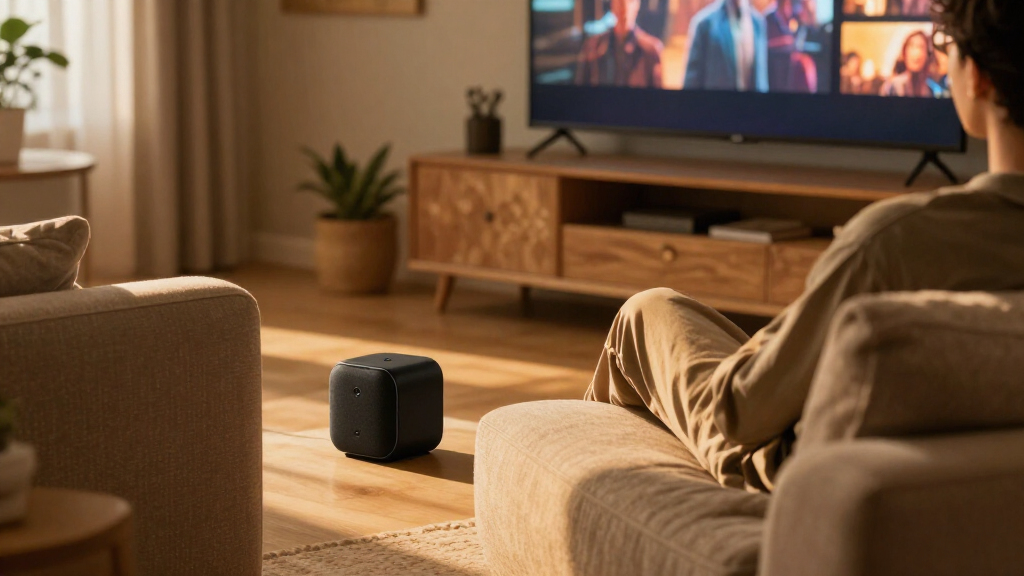
How We Picked
I ranked these options by how well their stated design and features address home theater needs: bass capability, driver and cabinet format, setup flexibility, likely system compatibility, and the practical demands of room size and placement. A subwoofer’s size alone does not establish that it will suit a particular room, so I treated driver diameter as one clue rather than a performance guarantee. I also separated standalone models from the Saiyin soundbar bundle, since the latter serves a different kind of system.
The ranking favors models with a clear role and useful flexibility, then weighs simplicity, space demands, and tradeoffs. The SVS SB-1000 Pro leads for its sealed format and app control; the Klipsch 12-inch options rank well for buyers seeking a larger home-theater-focused subwoofer. Compact and entry-oriented picks remain useful when their smaller footprint or simpler setup is the priority, but they are not interchangeable with larger standalone models. Where the list includes similar products, the guide focuses on the buyer need that separates them rather than treating brand or driver size as a ranking shortcut.
Factors to Consider When Choosing Home Theater Subwoofers
I’d choose a home theater subwoofer by starting with the system and room, then narrowing the field by output needs, placement, and control. These decisions often matter more than choosing the largest driver or matching a brand name.
Match the Subwoofer to Your System
Before comparing bass features, check what your receiver or sound system can connect to and what kind of signal it sends. Many home theater receivers use a dedicated subwoofer output, while soundbars may require a specific connection or a subwoofer designed to work with that system. A standalone subwoofer and a soundbar bundle should not be treated as plug-and-play substitutes. Check the manual for both components and confirm the connection type before buying. Also verify whether the subwoofer has the inputs your setup needs, rather than assuming a similar-looking model has the same options. If you plan to change receivers or speakers later, a conventional standalone model may leave more room to adapt.
Size for the Room, Not the Spec Sheet
A larger driver can be a sensible choice for a spacious room or a system built around strong movie effects, but driver diameter alone cannot predict how bass will sound in your space. Room dimensions, open doorways, furnishings, and placement all shape what reaches the listening seat. A compact subwoofer may fit more easily in a small room, though it may not deliver the same sense of scale at higher playback levels. Avoid buying extra-large simply as insurance; an awkward placement can matter more than a bigger cabinet. Think about where the enclosure can sit and whether its size will block a walkway or dominate the room. If possible, leave room to adjust its position after setup.
Sealed and Ported Designs Serve Different Priorities
Sealed enclosures, such as the SVS SB-1000 Pro, tend to appeal to buyers who want a more compact cabinet and controlled placement options. Ported designs can be built to emphasize stronger output around their tuning range, which can suit movie playback, but they often need more physical space. Neither type automatically sounds better in every room or system. The best match depends on how much space you have, how loudly you listen, and whether music or movie effects lead your listening. Compare the cabinet dimensions and the manufacturer’s setup guidance rather than choosing from enclosure type alone. A subwoofer that fits the room and can be placed well is often the more practical choice.
Plan Placement and Bass Adjustment
Subwoofer placement can change perceived bass more than a small difference in stated power or driver size. Corners may increase bass level, but they can also make some notes sound uneven; a position near the front speakers is not guaranteed to be the smoothest. Models with app-based controls offer convenient access to adjustments, while basic models may rely on controls on the cabinet or receiver. Set the receiver’s crossover and subwoofer level as part of the system, not as a way to force a weak match to work. Leave access to the controls and power connection when choosing a spot. If you cannot move the subwoofer freely, prioritize manageable dimensions and easy adjustment.
Choose Output for Your Listening Habits
Movie effects can call for more low-frequency headroom than casual television viewing, especially in larger rooms or at louder listening levels. Music listeners may care just as much about integration with the main speakers as sheer impact. A subwoofer’s wattage or driver size does not tell the full story on its own, so compare the complete design and the manufacturer’s stated performance information where available. An undersized unit may be pushed hard in a large room, while a powerful model can be unnecessary in a small space or a low-volume setup. Be realistic about whether you want occasional added weight or room-filling movie bass. That distinction can guide you toward a compact model or a larger 12-inch option.
Decide When Added Control or a Second Sub Is Worth It
Paying for app controls is most useful when you expect to tune the subwoofer after placement or want adjustment access from the listening seat. If you will set it once and use receiver calibration, a simpler model may be a better fit. A second subwoofer can help address uneven bass across multiple seats, but it adds cost, floor space, cables, and setup work. Two units do not automatically produce better bass if they are placed without attention to the room. Start with one appropriately chosen subwoofer unless several seats need more consistent low-frequency response. Consider a second unit only after you understand how the first performs in your actual listening positions.
Frequently Asked Questions
Should I choose a sealed subwoofer or a larger ported model for movies?
I’d base that choice on room space, listening level, and placement rather than assuming one enclosure type wins. The sealed SVS SB-1000 Pro is a fit for buyers who value a more compact format and app-based adjustment. Larger Klipsch options may better suit shoppers prioritizing a bigger cabinet and home-theater impact. A ported design can require more room, while a sealed model can still be a poor fit if the room and listening demands call for more output. Check dimensions, connection needs, and the manufacturer’s performance information before deciding.
Can I connect any of these subwoofers to my soundbar?
No; compatibility depends on the soundbar’s subwoofer output and the subwoofer’s supported input or wireless link. Some soundbars pair only with a matching or included subwoofer, so a standalone Klipsch, Polk, Sony, or SVS unit may not connect directly. The Saiyin package is a different proposition because it includes a soundbar and subwoofer intended as a combined system. Check the manuals for the exact connection type before buying, including whether a cable or adapter is required. If your soundbar lacks a compatible output, choose a system designed to work together rather than relying on an adapter to solve the mismatch.
Is a 12-inch subwoofer automatically better than a 10-inch model?
No. A 12-inch driver may be attractive when you want a larger home-theater setup, but driver diameter does not establish how well a subwoofer will perform in your room. Cabinet design, amplification, placement, and the system’s settings all affect the result. The 10-inch options in this roundup may be easier to accommodate in tighter spaces, while larger models can take up more floor area. Choose by room and listening needs rather than treating a bigger driver as an automatic upgrade. If possible, compare full specifications and the manufacturer’s guidance for the models you are considering.
Do I need app controls to set up a subwoofer properly?
App control is convenient, but it is not a requirement for a usable setup. The SVS SB-1000 Pro stands out for buyers who want adjustment access through an app, especially if the cabinet will be hard to reach. A simpler model can still be set up using its onboard controls and the receiver’s bass-management settings. What matters most is matching the crossover, level, and placement to your speakers and room. If you expect to fine-tune often, app access has a practical benefit; if you want a one-time setup, it may not justify making that feature your main deciding factor.
When does it make sense to buy two subwoofers instead of one?
A pair can help provide more even bass across multiple listening seats, but it is not a guaranteed improvement in every room. Two units also require extra floor space, connections, and setup time, and poor placement can leave response uneven. I’d start with one suitable subwoofer, then listen from the seats that matter and use receiver calibration if available. If bass varies sharply from one seat to another, a second unit may be worth exploring. The Klipsch R-120SW pair is the direct multi-unit option in this lineup, but buyers should still plan placement and setup before choosing it.
Conclusion
For the broadest mix of flexibility and a manageable sealed format, I’d choose the SVS SB-1000 Pro as best overall. The Klipsch Reference R-121SW is a strong direction for buyers who want a 12-inch standalone home-theater subwoofer, while the Klipsch Reference Premiere RP-1000SW suits shoppers specifically drawn to Klipsch’s premium Reference Premiere line. For a simpler or smaller setup, I’d look first at the Edifier T5s or BESTISAN Basscore 80; the Polk PSW10 and Sony SA-CS9M2 are additional 10-inch alternatives. Choose the Saiyin soundbar package only if you want a combined TV-focused system, not a standalone subwoofer for an existing receiver. Before ordering, match the connection type and cabinet size to your system and room; those checks will narrow this varied lineup more reliably than driver size alone.
Black Friday Picks

Sonos Era 100 SL Wireless Speakers, Black, Pack of 2
As an affiliate, we earn on qualifying purchases.