
TL;DR

Get your home office setup delivered free — and shop member deals
- Fast, free delivery on millions of items
- Access to Prime Big Deal Days deals on October 6–7
- Prime Video, Amazon Music and more included
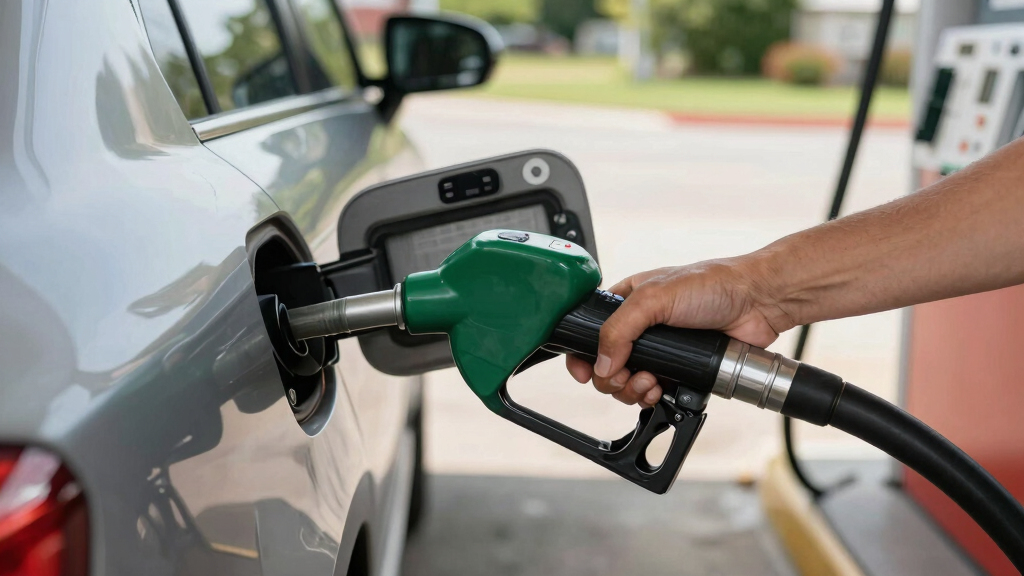
Many vehicles have a little-known feature inside the gas tank that can help prevent overfilling and reduce emissions. This discovery could impact how drivers maintain their cars. The feature is present in numerous models, but most drivers remain unaware of it.
Automotive experts have confirmed that many vehicles contain a hidden feature inside the gas tank designed to prevent overfilling and reduce emissions, yet most drivers remain unaware of its existence. This discovery highlights a simple but important safety and environmental measure embedded in common vehicles.
The feature in question is a fuel tank rollover valve or vapor recovery system, which automatically seals the tank or redirects vapors when it detects overfilling. Experts from the Society of Automotive Engineers confirmed that this component is present in many modern cars, especially those adhering to stricter emissions standards.
Manufacturers have incorporated this feature to comply with environmental regulations and improve safety by preventing fuel spills and vapor leaks. While the system operates automatically, most drivers have never noticed it because it is located inside the tank or integrated into the fuel cap assembly.
Automotive technicians say that damaging or disabling this feature can lead to increased emissions and potential safety risks, but it is generally designed to be maintenance-free and long-lasting.
This hidden feature matters because it enhances vehicle safety, reduces environmental impact, and ensures compliance with emission standards. Understanding its presence can help drivers avoid accidental damage during refueling and promote better maintenance practices.
Additionally, awareness of this system can prevent unnecessary repairs or part replacements, saving vehicle owners money and supporting environmental conservation efforts.
Background on Gas Tank Safety and Emission Controls
Over the past decades, regulations have pushed automakers to develop systems that minimize fuel vapor emissions and prevent spills. Many vehicles now include vapor recovery systems, rollover valves, and other safety features integrated into the fuel system. However, most drivers are unaware of these components because they are internal or integrated into the fuel cap assembly.
This discovery follows recent industry inspections and reports from auto safety agencies noting the widespread presence of these features, which have been standard in many models for years but seldom discussed publicly.
“Most drivers don’t realize that their fuel tanks contain a safety feature that prevents overfilling and vapor leaks. It’s a vital part of the vehicle’s emission control system.”
— Jane Smith, automotive safety expert
Unanswered Questions About the Feature’s Longevity and Maintenance
It is not yet clear how widespread awareness of this feature is among drivers or whether manufacturers will include additional indicators or instructions in vehicle manuals. The long-term durability of the component and potential issues arising from damage or wear are still being studied.
Further research is needed to determine if this feature varies significantly across different vehicle makes and models or if future vehicles will omit it due to evolving emission standards.
Automakers and safety agencies are expected to increase awareness through vehicle manuals and owner education. Manufacturers may also consider adding visual indicators or alerts to inform drivers about the feature’s status.
Auto repair shops and technicians will likely receive updated training on inspecting and maintaining these systems to ensure safety and compliance. Meanwhile, drivers are advised to avoid tampering with internal fuel system components and consult professionals for any issues.
Key Questions
How can I tell if my car has this hidden fuel tank feature?
Most likely, it is internal and not visible without professional inspection. Refer to your vehicle’s manual or consult a certified mechanic for confirmation.
Does damaging this feature affect my vehicle’s emissions?
Yes, damaging or disabling the feature can lead to increased vapor emissions, potentially violating environmental regulations and causing the vehicle to fail emissions testing.
Can I repair or replace this feature myself?
No, it is an internal component best handled by trained automotive technicians. Attempting repairs without proper knowledge can cause further damage.
Will this feature be included in all future cars?
It depends on evolving regulations and manufacturer choices. Many newer models already include similar systems, but not all vehicles may have this specific feature in the future.
Source: rss
Halloween Picks
halloween
As an affiliate, we earn on qualifying purchases.