
TL;DR
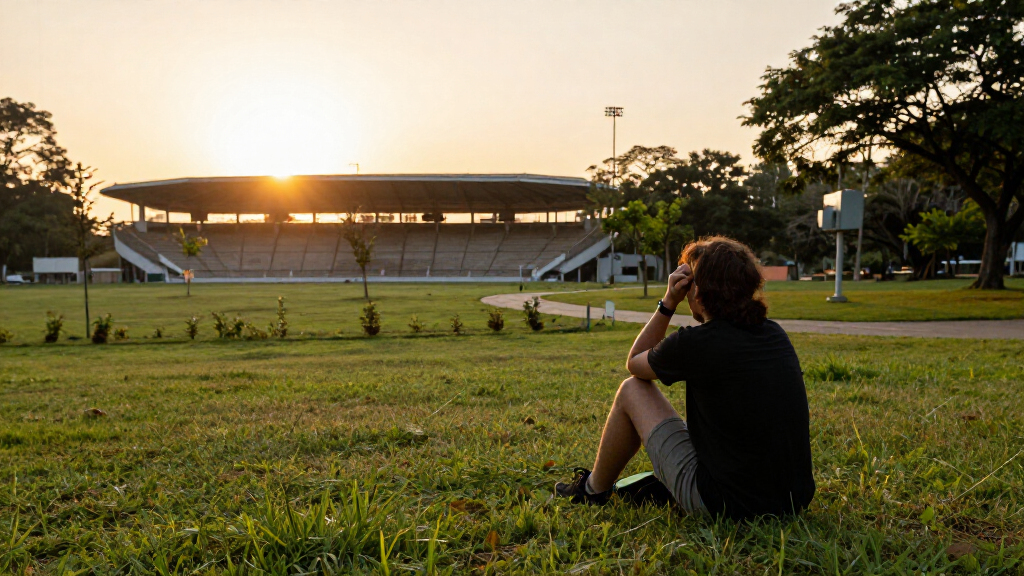
The Caio Martins stadium in Niterói, previously used by Botafogo, is set to be transformed into a public park and reservoir. The plan aims to enhance urban infrastructure and public spaces in the region.
The Caio Martins stadium in Niterói, once a prominent home for Botafogo football club, will be redeveloped into a public park and reservoir, according to official city plans. This transformation aims to improve urban infrastructure and provide new recreational spaces, making it a notable shift for the site’s future use.

Get business pricing on your home office setup
- Business-only prices and quantity discounts
- Tax-exempt purchasing
- Multiple users, one account, clear invoices
The city of Niterói announced in March 2024 that the Caio Martins stadium will no longer serve as a sports venue. Instead, it will be converted into a multi-purpose park integrated with a reservoir to support the city’s water management and green space initiatives. The project is part of a broader effort to revitalize underused urban areas and address water storage needs.
The stadium, historically associated with Botafogo and local sports culture, has been inactive for several years. The redevelopment plan was presented by city officials, emphasizing urban renewal and environmental sustainability. The exact timeline for construction and completion remains to be confirmed, but the project is expected to start within the next year.
Impacts on Urban Development and Public Space in Niterói
This redevelopment is significant because it represents a shift from a sports-focused venue to a multifunctional urban space that combines recreation with water management. It reflects a growing trend in Rio de Janeiro state to repurpose existing infrastructure for environmental and social benefits, potentially serving as a model for other cities facing similar challenges.
For residents, the project promises increased green space, improved water security, and new recreational facilities. It also preserves the historical significance of the site while adapting it to contemporary urban needs. However, the transformation raises questions about how the site’s heritage will be preserved and how the community will be involved in the planning process.
Products Worth Considering

Philips Hue Bridge Pro Smart Lighting Hub

Dyson Ball Animal 3 Upright Corded Vacuum

Shark WANDVAC Power PET Cordless Handheld Vacuum, White, WV410WH
As an affiliate, we earn on qualifying purchases.
Historical Use and Urban Planning in Niterói
The Caio Martins stadium was built in the mid-20th century and became a key sports venue for Niterói and the surrounding region. It hosted football matches, community events, and was a symbol of local sporting culture, especially during the years when Botafogo used it as a home ground.
In recent years, the stadium fell into disuse, with sports activities relocating to other venues. The site’s potential for redevelopment has been discussed intermittently, with city officials exploring options to leverage the space for urban improvement. The current plan to convert it into a park and reservoir aligns with the city’s broader strategy to enhance green spaces and water infrastructure amid urban growth pressures.
While the project has received approval from local authorities, details on funding, community involvement, and environmental impact assessments are still emerging. The plan fits within a regional trend of repurposing former sports and industrial sites for sustainable urban development.
Details on Implementation and Community Involvement Still Unclear
It is not yet clear when construction will begin or be completed, as detailed timelines and funding sources are still under discussion. Additionally, community engagement processes and environmental impact assessments are ongoing, with specifics expected to be announced in the coming months.
There is also some uncertainty about how the site’s historical significance will be preserved or commemorated in the redevelopment process.
Next Steps Include Public Consultation and Project Timeline Clarification
City officials plan to hold public consultations to gather community input on the redevelopment. They also intend to finalize environmental assessments and secure funding before initiating construction. A detailed timeline for project milestones is expected to be released in the upcoming quarter.
Further updates will clarify how the site’s heritage will be preserved and how residents can participate in shaping the final plans.
Key Questions
What will happen to the existing stadium structure?
The current plan is to demolish or adapt parts of the stadium to integrate into the new park and reservoir design, with efforts to preserve some historic elements. Details are still being finalized.
When will the redevelopment be completed?
A specific completion date has not yet been announced. The project is expected to start within the next year, with completion possibly within 2-3 years after construction begins.
Will the community have input on the project?
Yes, public consultations are planned to involve local residents, stakeholders, and community groups in the planning process.
How will the new reservoir improve water management?
The reservoir is designed to support Niterói’s water supply system, helping to store and manage water resources more efficiently, especially during dry seasons or emergencies.
Is there any opposition to the project?
At this stage, no formal opposition has been publicly reported. However, community feedback during consultations may influence project adjustments.
Source: local