
Upgrading to 8K MicroLED video walls is a smart move when you want breathtaking clarity, vibrant visuals, and a more immersive viewer experience. Timing your upgrade during key events or low-traffic periods minimizes disruption and maximizes impact. Planning ahead guarantees your infrastructure can support the new technology and that content is optimized for the high resolution. If you’re curious about the best strategies and details, exploring further will show you how to make this transition seamless.
Key Takeaways
- Upgrade during high-profile events to maximize visual impact and audience engagement.
- Schedule installation when infrastructure and content management systems are fully prepared.
- When existing displays show signs of aging or pixelation, it’s time to consider an upgrade.
- Plan upgrades ahead of major campaigns to ensure seamless content transition and minimal downtime.
- Invest in 8K MicroLED walls when high-resolution visuals are essential for brand differentiation and immersive experiences.

Have you ever wondered how advertisers and event organizers create jaw-dropping visual displays? The secret often lies in the seamless integration of advanced display technology, and 8K MicroLED video walls are at the forefront of this revolution. Upgrading to an 8K resolution isn’t just about pixel count; it’s about delivering breathtaking clarity, vibrant colors, and immersive experiences that captivate audiences. But before jumping into a full upgrade, it’s essential to understand the planning involved—particularly content management and installation logistics—to facilitate a smooth transition and maximum impact.
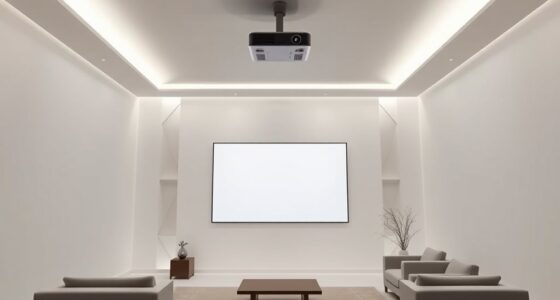
Discover how 8K MicroLED displays revolutionize visual experiences with stunning clarity and vibrant colors.
When considering an 8K MicroLED video wall, you need a robust content management system in place. This system is the backbone of your visual display, coordinating what content appears, when, and how it’s presented. With higher resolution screens, your content must be optimized to match the display’s capabilities; otherwise, the visuals can look pixelated or dull. A good content management platform allows you to easily scale, schedule, and update your content, ensuring consistency and flexibility. It also helps streamline the workflow, especially when managing multiple sources or live feeds, which become more complex at 8K resolution. Proper content planning guarantees your visuals are sharp, synchronized, and engaging, making the upgrade worthwhile. Additionally, understanding the importance of display calibration ensures your visuals are accurately rendered and consistent across all panels.
Installation logistics are equally critical. Moving to an 8K MicroLED setup involves more than just plugging in new panels; it requires meticulous planning of space, power, and mounting infrastructure. MicroLED panels are often larger and heavier than traditional displays, demanding precise handling and support structures. You’ll need to coordinate with installation teams to confirm the site can accommodate the weight and size of the panels, as well as plan for ideal viewing angles. Additionally, the wiring and data connections must support the high bandwidth required for 8K content, which can involve significant electrical and networking considerations. Proper planning reduces downtime and avoids costly mistakes during installation.
Timing also plays an essential role. Upgrading at the right moment can maximize your investment’s effectiveness, especially for key events or seasonal campaigns. If your organization’s schedule allows, plan your upgrade during periods of low activity to minimize disruption. If you’re implementing the system for a specific event or launch, coordinate your content updates and installation schedule accordingly. This strategic approach ensures your new 8K MicroLED video wall is operational when it counts most, delivering maximum visual impact.
Frequently Asked Questions
What Are the Initial Costs of Upgrading to 8K Microled Walls?
The initial costs of upgrading to 8K MicroLED walls typically range from $30,000 to $150,000 or more, depending on size and resolution. You should conduct a thorough cost analysis, factoring in hardware, installation, and potential scalability considerations. While the upfront investment is substantial, the enhanced image quality, durability, and future-proofing can justify the expense over time, especially if your display needs grow.
How Long Is the Typical Lifespan of Microled Video Walls?
Think of your microLED video wall as a reliable marathon runner; its lifespan can stretch 100,000 hours or more with proper care. Technology durability and lifespan factors like usage, environment, and maintenance influence how long it performs at its peak. With careful upkeep, your microLED wall can stay vibrant and sharp for over a decade, making it a lasting investment that keeps your visuals stunning for years to come.
Are There Specific Maintenance Requirements for 8K Microled Displays?
You need to follow specific maintenance schedules and cleaning protocols for your 8K microLED displays. Regular inspections help catch issues early, and gentle cleaning prevents dust and smudges from affecting image quality. Keep the displays free of debris, avoid harsh chemicals, and guarantee proper ventilation. Adhering to these maintenance routines extends the lifespan of your microLED video wall and maintains ideal performance, ensuring your investment stays impactful.
Can Existing Infrastructure Support 8K Microled Installations?
You might find your existing infrastructure supporting 8K MicroLED installations, but compatibility challenges could arise. Imagine upgrading your display like fitting a new, high-resolution canvas onto an older frame—sometimes it fits smoothly, other times adjustments are needed. To guarantee seamless operation, assess your power supply, data connections, and cooling systems. Upgrading may require infrastructure enhancements, but with proper planning, your space will showcase stunning, crisp visuals without missing a beat.
What Are the Best Practices for Integrating 8K Microled With Other Systems?
To guarantee seamless integration of 8K MicroLED with other systems, you should prioritize content integration and system compatibility. Use standardized interfaces and protocols like HDMI 2.1 or DisplayPort 1.4 to connect devices efficiently. Test the entire setup beforehand, and coordinate with vendors to address potential compatibility issues. Regularly update firmware and software to maintain peak performance, ensuring your high-resolution display works flawlessly with existing multimedia and control systems.
Conclusion
When considering an upgrade to 8K MicroLED video walls, you’re investing in clarity, in brilliance, in innovation. You’re enhancing visibility, elevating experiences, and future-proofing your display solutions. You’re choosing quality, reliability, and cutting-edge technology. So, decide when to upgrade, understand why to upgrade, and embrace the power of MicroLED. Because when you make the leap, you’re not just upgrading a display—you’re transforming your entire visual experience.