TL;DR

Get business pricing on your home office setup
- Business-only prices and quantity discounts
- Tax-exempt purchasing
- Multiple users, one account, clear invoices
Livingetc’s report brings together six interior designers’ suggestions for creating a cozier bedroom, including layered lighting, limited color palettes, varied textures and personal details. The advice is design guidance, not a tested comparison of which changes work best or a guarantee of better sleep.
Livingetc has published six interior designers’ suggestions for making a bedroom feel cozier, highlighting pattern, restrained color, playful details, layered lighting, tactile materials and finishing touches. The report offers practical decorating ideas for readers seeking a warmer-feeling sleeping space, though it does not provide research showing that any particular design choice improves sleep.
The designers’ advice focuses on ways to shape a room’s atmosphere rather than on a single makeover or prescribed style. Josh Greene, founder of New York-based Josh Greene Design, recommends using pattern in a balanced way, whether by mixing prints or repeating one pattern. The report also describes “pattern sprinkling” as a way to introduce small patterned elements without overwhelming the room.
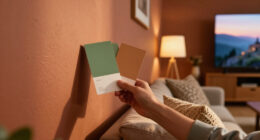
Ben Leavitt, creative director of PlaidFox Studio, says a limited but complete color palette can make a room feel calmer. He advises against leaving walls white as part of that approach. Livingetc suggests earth tones as one route to a warmer effect, while noting that color can also come through bedding and decor rather than a full repaint. Joel Donovan of The Interiors Concierge, meanwhile, argues for whimsical details that give a bedroom personality alongside its restful function.
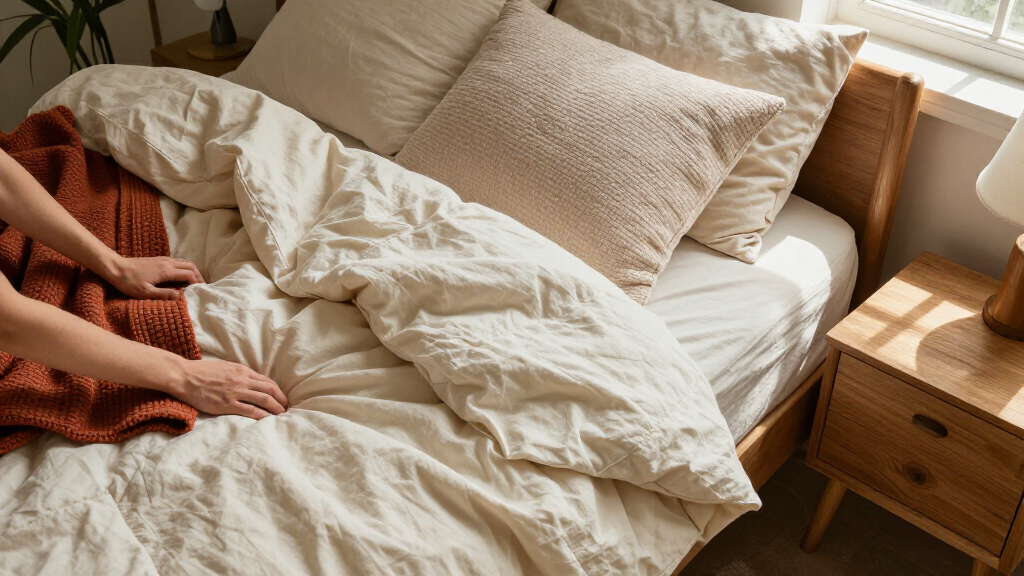
Three other recommendations address the room’s sensory qualities. Laura Hammett of Laura Hammett Design calls lighting the most powerful tool for building a cozy atmosphere and recommends combining ambient, accent and task lighting rather than relying on one overhead fixture. Nashmita Rajiah, a London-based interior architect and designer, advocates layering tactile materials, including options such as grasscloth, bouclé and deep-pile wool. Livingetc’s sixth tip, from Studio Vero, concerns finishing touches; the source excerpt provided does not include the studio’s full explanation.
Small Design Choices Shape Bedroom Mood
The recommendations matter to readers because they present several ways to adjust a bedroom’s feel without requiring a complete redesign. Lamps, bedding, rugs and cushions can add layers of light, color and texture; wallpaper or paint would involve a larger commitment. The article’s approach also leaves room for personal taste, offering several design tools rather than one uniform look.
These are professional opinions about interior design, not clinical sleep advice. A room that feels warmer or more inviting may better suit an individual’s preferences, but the report does not establish that its suggestions improve sleep quality, reduce stress or produce a particular health outcome. Readers can treat the ideas as aesthetic options and decide which, if any, fit their space and budget.
Six Designers, Six Decorating Approaches
The Livingetc report organizes its advice around six contributors and design themes: pattern, color, whimsy, lighting, texture and finishing details. Its first five sections include explanations attributed to named designers. The sixth section is identified as Studio Vero’s, but the supplied source text ends before that advice is fully presented.
The article presents the ideas as ways to create a bedroom that feels inviting in autumn. The recommendations range from small changes, such as adding a patterned cushion or changing a lamp, to more involved choices such as repainting walls or introducing textured wall finishes. No before-and-after measurements, costs or outcome data are included in the material provided.
““Whether you mix contrasting prints or repeat one soothing pattern throughout, the key in a bedroom is balance, scale, and color value.””
— Josh Greene, founder of Josh Greene Design
What the Advice Does Not Establish
The report shares designers’ views but does not test the suggestions against one another or establish which changes have the greatest effect on how cozy a room feels. It also offers no evidence that these decorating choices affect sleep or health. Those outcomes depend on factors beyond appearance and are not evaluated in the source.
The supplied source excerpt cuts off during the Studio Vero section, so the studio’s specific finishing-touch recommendations are not available here. It is also unclear from the excerpt whether Livingetc’s full article gives additional detail on that advice. Readers should not treat the partial description as a complete account of the sixth tip.
How Readers Can Apply the Ideas
Readers can use the six themes as a menu rather than a checklist: test a new lamp or textured throw before committing to a larger change, and choose colors and patterns that suit the room’s existing furnishings. Layering is the report’s recurring approach—combining sources of light, different materials or carefully selected patterns to give a room more depth.
Livingetc’s report does not announce a product rollout, scheduled event or follow-up study. Any next steps are practical choices for readers, who can compare options, consider budget and maintenance, and make changes incrementally. The complete Studio Vero advice would be needed to describe its sixth recommendation in full.
Key Questions
What are the six ways the report says a bedroom can feel cozier?
The themes are pattern, color, whimsical details, layered lighting, texture and finishing touches. The supplied excerpt gives fuller explanations for the first five than for the Studio Vero finishing-touch section.
Does the report say these ideas improve sleep?
No. It presents interior designers’ decorating advice and does not provide evidence that the suggestions improve sleep quality or health.
Can someone try the ideas without repainting a bedroom?
Yes. The report notes that color can be introduced through bedding and decor, while lighting, cushions, rugs and throws offer other ways to change a room’s atmosphere without repainting.
What does the source say about layered lighting?
Laura Hammett recommends combining ambient, accent and task lighting, such as overhead light, wall lights and table lamps, rather than relying on one overhead fixture alone.
Source: rss
Halloween Picks
halloween
As an affiliate, we earn on qualifying purchases.