
TL;DR
The best media room projectors blend high resolution, ample brightness, and contrast. Laser sources and smart features now make home cinemas more vibrant, but room conditions and budget matter most.
Prioritize 4K resolution and high contrast ratios for crisp, cinematic images.
Laser projectors deliver longer lifespan and better brightness but come at a higher cost upfront.
Ambient light control—through curtains or ALR screens—significantly improves picture quality.
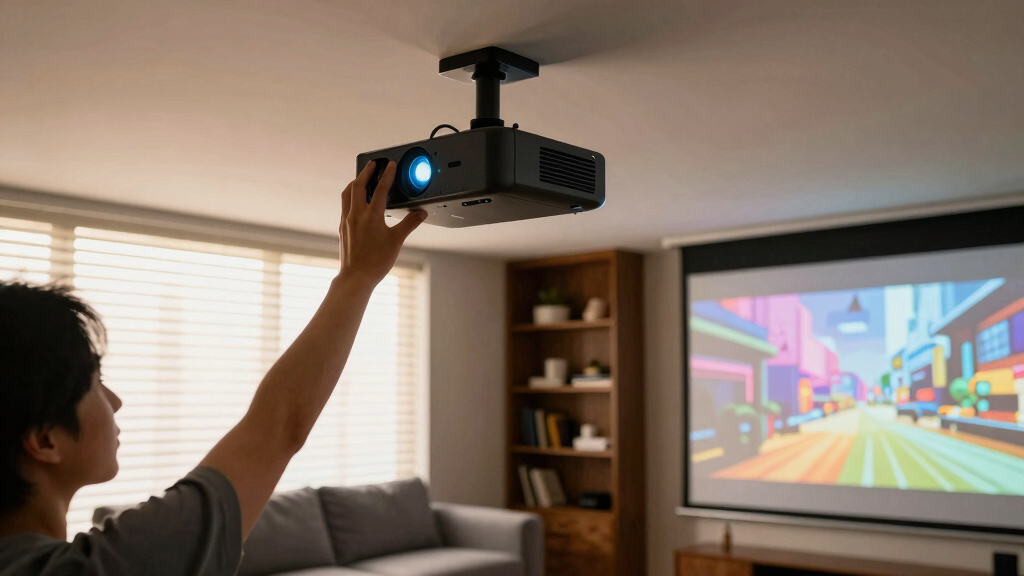
Short-throw and ultra-short-throw models save space and reduce shadows in small rooms.
Professional setup can maximize your projector’s performance, but many models are DIY-friendly.

Get business pricing on your home office setup
- Business-only prices and quantity discounts
- Tax-exempt purchasing
- Multiple users, one account, clear invoices
What Makes a Media Room Projector Truly Stand Out?
In a media room, your projector needs to deliver sharp images with rich colors, even if the room isn’t pitch-dark. Resolution matters—4K UHD is now the standard for crisp detail. Brightness is key if you have some ambient light—aim for at least 1500 lumens. The contrast ratio shapes how deep the blacks look, making dark scenes more immersive. Short-throw models can sit close to your wall, saving space and avoiding shadows. And don’t forget HDR support—formats like Dolby Vision boost color vibrancy, making movies feel alive. Connectivity options, lamp life, and size also influence your choice.
Choosing the right features involves tradeoffs. For example, higher resolution and contrast often come at a premium price, and brighter projectors may generate more heat and noise, which could be distracting. Short-throw models are excellent for small rooms but might lack some advanced features found in larger, more expensive units. Understanding these nuances helps you prioritize what matters most for your specific space and viewing habits.
Products Worth Considering

Hisense 43-Inch S5 DécoTV Series 4K UHD Smart Fire TV with Hi-QLED Color, Dolby Vision and Atmos (43S5QF, 2026 Model)

eufy E25 Robot Vacuum and Mop with HydroJet Roller Mop, 20,000 Pa Suction

Philips Hue Play HDMI Sync Box 4K + 65 Play Gradient Smart TV Strip Light
As an affiliate, we earn on qualifying purchases.
The Latest Tech Trends That Make Home Cinema Better
The world of projectors is moving fast. Laser light sources now dominate high-end models, offering brighter images and a lifespan of up to 20,000 hours—no more frequent bulb changes. This not only reduces maintenance costs but also ensures consistent image quality over years of use. 4K projectors are becoming more affordable, making high-resolution cinema quality accessible to more consumers. Advanced HDR support and wider color gamuts enhance color depth and realism, allowing images to appear more vibrant and true to life, which is crucial for immersive viewing. Smart projectors with built-in apps and wireless streaming capabilities eliminate the need for additional devices, streamlining setup and usage. Short-throw and ultra-short-throw models enable large screens from minimal distance, ideal for small or cluttered rooms. Ambient Light Rejection screens are revolutionizing projector performance in rooms with ambient light, maintaining contrast and color accuracy even with some light present. These innovations collectively elevate the home cinema experience by providing brighter, more detailed, and more convenient viewing options, but they also often come with higher initial costs and require compatibility considerations with existing equipment.
What You Need to Know Before Buying a Projector for Your Media Room
| Feature | Why It Matters |
|---|---|
| Resolution | Sharper images, especially on larger screens. 4K is now standard, but consider 8K if you want future-proofing for the highest detail, though it may be overkill for many home setups. Higher resolution reduces pixelation and enhances immersion, but it also increases cost and requires more processing power. |
| Brightness (lumens) | Ensures clear picture even if the room isn’t dark. For dark rooms, 1500-2500 lumens typically suffice, but rooms with ambient light may require 3000 lumens or more. Higher brightness levels can improve visibility but may also introduce more heat and noise, and sometimes reduce contrast if not paired with proper screen technology. |
| Contrast Ratio | Defines the depth of blacks and whites, significantly affecting image realism. A higher contrast ratio results in richer blacks and more detailed shadows, which are vital for cinematic experiences. However, contrast ratios can be misleading without considering actual performance in your room’s lighting conditions. |
| Throw Distance | Short-throw options save space and reduce shadows, making them ideal for small or cluttered rooms. Standard-throw projectors require more distance but can be more versatile in larger spaces. The choice impacts room layout and installation complexity, so measure your space carefully before choosing. |
| Light Source | Laser sources last longer (up to 20,000 hours or more) and are brighter, which benefits image quality and reduces maintenance. However, they are more expensive upfront than traditional lamps, which might need replacement every 2,000-4,000 hours. Consider your long-term cost and convenience when selecting a light source. |
Understanding these features and their tradeoffs helps you select a projector that balances performance, cost, and longevity, ensuring your media room delivers a cinematic experience tailored to your space and budget.