To dispose of old projector lamps responsibly, you should never toss them in regular trash due to the hazardous materials they contain. Instead, utilize certified recycling programs, drop-off centers, or collection events for hazardous waste. Many retailers or manufacturers accept used lamps at no charge, and local waste authorities can guide you to proper disposal sites. Following these steps helps protect the environment and your health—keep going for more tips on safe disposal practices.
Key Takeaways
- Use certified recycling programs or designated collection centers for hazardous projector lamps.
- Avoid throwing lamps in regular trash to prevent environmental contamination.
- Follow manufacturer instructions and local regulations for proper disposal.
- Participate in special hazardous waste collection events when available.
- Contact local authorities or environmental agencies for guidance on safe disposal options.

When your projector lamp reaches the end of its life, knowing how to dispose of it safely is essential. These lamps often contain hazardous materials, making proper disposal crucial for both environmental protection and personal safety. Instead of tossing it in the trash, consider lamp recycling options designed specifically for electronic waste. Many communities have designated drop-off centers or special collection events for hazardous waste disposal, where you can safely dispose of your used projector lamp. This process ensures that harmful substances, like mercury or other toxic chemicals, are handled correctly and don’t end up polluting landfills or water sources.
Lamp recycling is a responsible choice because it allows valuable materials to be recovered and reused. Many manufacturers or local recycling programs accept old projector lamps, often free of charge. Recycling not only reduces the environmental impact but also aligns with regulations concerning electronic waste management. Be sure to check with your local waste management authority or electronics recycling facilities to find out where you can safely take your used lamp. Some stores that sell replacement lamps might also offer recycling services, making it convenient to dispose of your old projector lamp properly.
Handling hazardous waste disposal correctly is vital. Because projector lamps can contain mercury or other hazardous substances, improper disposal can pose health risks to sanitation workers and the environment. Never throw these lamps in your regular trash, as they could break and release dangerous chemicals. Instead, always look for certified disposal or recycling options. Many areas have specialized hazardous waste collection days, where you can bring your projector lamp for safe processing. If you’re unsure about the disposal process, contact your local waste authority or environmental agency for guidance.
Never dispose of projector lamps in regular trash; always seek certified hazardous waste recycling options to protect health and environment.
You should also consider the importance of following manufacturer instructions or labels on your projector lamp. Some lamps come with specific disposal recommendations, and adhering to these can help ensure safe handling. If you’re buying a new projector lamp, ask the retailer about recycling programs or disposal services available in your area. By taking these steps, you actively participate in reducing environmental harm and promoting sustainable waste management practices. Remember, responsible disposal of old projector lamps not only protects the planet but also keeps your community safer. So, always opt for lamp recycling or hazardous waste disposal options rather than risking improper disposal that could lead to pollution or health issues down the line.
Additionally, staying informed about electronic waste regulations and disposal options in your region can make the process easier and more compliant with local laws.

【Officially-Licensed APP & Native 1080P】 Thinnest 1.81" Smart Mini Projector with WiFi and Bluetooth, Auto Focus & Keystone Portable Outdoor Projector, VOPLLS 4K Support Home Movie Projector
【Compatibe with Netflix, No Extra Devices Needed】This isn’t just a projector—it’s your "Hollywood Digital Pass." Instantly access a...
As an affiliate, we earn on qualifying purchases.
Frequently Asked Questions
Are Projector Lamps Considered Hazardous Waste?
Yes, projector lamps are considered hazardous waste because they contain mercury and other toxic materials. When you handle lamp disposal, you must follow proper hazardous waste procedures to prevent environmental contamination and health risks. Don’t throw them in regular trash; instead, take them to a certified recycling or disposal facility that specializes in hazardous waste. Proper lamp disposal guarantees you’re responsible and compliant with local regulations.
Can Old Projector Lamps Be Recycled at Local Facilities?
Yes, you can recycle old projector lamps at local recycling centers. Check with your community’s recycling facilities to see if they accept hazardous waste like projector lamps, and inquire about specific lamp disposal methods they recommend. By doing so, you guarantee your old lamps are disposed of properly, minimizing environmental impact and promoting responsible recycling. Always follow the guidelines provided by your local centers for safe and effective lamp disposal methods.
What Precautions Should I Take When Handling a Broken Lamp?
When handling a broken projector lamp, you should wear safety gear like gloves and goggles to protect your skin and eyes from hazardous materials. Handle the broken pieces carefully, avoiding direct contact, and use tools instead of your hands. Work in a well-ventilated area to minimize inhaling any dust or fumes. Always wash your hands thoroughly afterward and follow local disposal guidelines for hazardous waste.
How Often Should I Replace My Projector Lamp?
Think of your projector lamp as a ticking clock. Usually, you should replace it every 1,500 to 2,000 hours of use, depending on the lamp’s lifespan and your usage habits. Regularly monitor brightness and color quality for signs of wear. By tracking your replacement frequency, you guarantee ideal performance and avoid unexpected failures. Don’t wait until the lamp dims—stay ahead to keep your presentations sharp and seamless.
Are There Environmentally Friendly Alternatives to Traditional Projector Lamps?
Yes, environmentally friendly alternatives like LED projectors exist, which don’t contain mercury and have a lower environmental impact. LED projectors consume less energy, generate less heat, and last longer, reducing waste and disposal concerns. By choosing LED technology, you avoid the mercury content found in traditional projector lamps. These eco-friendly options help you reduce your carbon footprint while still enjoying high-quality projections, making them a smarter and greener choice.

TMY 1080P Full HD Portable Mini Projector, Bluetooth Movie Projector, Compatible with TV Stick/Smartphone/PC/Game Console/HDMI/USB, Indoor & Outdoor Use, with Projector Screen
【Everything You Need – 80" Foldable Projector Screen Included】No need to spend extra on a separate screen. We’ve...
As an affiliate, we earn on qualifying purchases.
Conclusion
Remember, disposing of your old projector lamps responsibly helps protect the environment. Did you know that over 15 million projectors are discarded each year, many containing hazardous materials? By recycling or following proper disposal methods, you prevent harmful chemicals from polluting our planet. So, next time you replace your lamp, take a moment to make sure it’s disposed of correctly. Your small action can make a big difference in keeping our environment safe and clean.
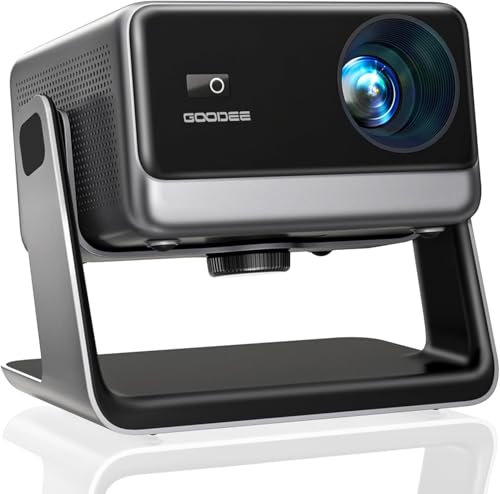
GooDee Video Projector With Wifi And Bluetooth, Smart Portable Projector Movie System Compatible With Netflix/Dolby Audio/Auto Focus & Keystone, 4k Video Decode & 1080p Native For Home Theater/Outdoor
「Smart TV Projector」The Goodee AC321 4K projector is officially licensed by mainstream streaming platforms such as Netflix/YouTube/Prime Video,...
As an affiliate, we earn on qualifying purchases.

【2200ANSI & Officially-Licensed APP】Smart 4K Projector with WiFi and Bluetooth, VISSPL 3D Dolby Audio and Auto Focus Portable Outdoor Projector, Movie Home Theater Proyector with 360° Adjustable Stand
[ Netflix Ready - No Extra Devices Needed ] – VISSPL Smart Projector: No TV stick, no casting,...
As an affiliate, we earn on qualifying purchases.