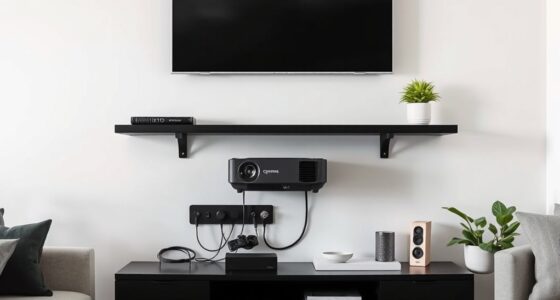
For most home theater setups, I’d start with the Denon AVR-X1800H: its seven-channel layout, room calibration, and current HDMI support make it a flexible fit for surround sound and height speakers. The Onkyo TX-NR6100 stands out for buyers who want THX certification and network features, while the Denon AVR-S670H is a simpler match for a five-channel system. The main choice is between paying for expansion and room control now or keeping the system straightforward around the speakers and sources you already own. Channel counts and HDMI features matter only when they match your planned layout and devices. Read on for how all 14 receivers differ and which compromises make sense for your room.

Get business pricing on your home office setup
- Business-only prices and quantity discounts
- Tax-exempt purchasing
- Multiple users, one account, clear invoices
Complete the kit



Key Takeaways
- The Denon AVR-X1800H is the most adaptable pick in this group for buyers who want seven amplified channels, network features, and room to add height speakers.
- The Onkyo TX-NR6100 pairs a 7.2 layout with THX certification, giving it a distinct role for buyers who value its home theater feature set over a simpler receiver.
- Five-channel models can be the smarter fit: the Denon AVR-S670H and AVR-S570BT suit compact systems that do not need extra speaker channels.
- Model names and headline channel counts do not tell the whole story; compare supported formats, setup tools, and connectivity against your exact speaker plan.
- Several lower-profile brands list large channel or power figures, but buyers should verify the supported speaker layout and input requirements before choosing them for a system built around modern HDMI sources.


| AV receivers for home theater | Channels | Video support |
|---|---|---|
| Yamaha RX300A 5.2-Channel Home | 5.2 | 4K/120, 8K/60, Dolby Vision, HDR10+ |
| Onkyo TX-NR6100 7.2 Channel TH | 7.2 | 8K pass-through |
| Denon AVR-X1700H 7.2-Channel A | 7.2 | 8K/60Hz and select 4K/120Hz pass-through |
| Denon AVR-S770H 7.2 Channel Ho | 7.2 | — |
| Sony STR-DH590 5.2 Channel Sur | 5.2 | 4K HDR, HDCP 2.2 |
| Denon AVR-S670H 5.2-Channel 8K | 5.2 | — |
| Donner MAMP8 5.2 Channel Surro | 5.2 | — |
| SOBATTY 7.1-Channel Home Theat | — | 4K Ultra HD at 60Hz, HDR |
| Pyle 9.1-Channel AV Receiver w | 9.1 | — |
| Denon AVR-S570BT 5.2-Channel A | 5.2 | — |
| Donner MAMP4 5.1-Channel Stere | 5.1 | — |
| Onkyo TX-NR5100 7.2-Channel 8K | 7.2 | 8K |
| Denon AVR-X1800H 7.2 Channel A | 7.2 | 8K/60Hz, Dolby Vision, HDR10+, HLG, Dynamic HDR |
| Pyle 5.2 Channel Hi-Fi Home Th | 5.2 | 4K Ultra HD pass-through |
More Details on Our Top Picks
Yamaha RX300A 5.2-Channel Home Theater AV Receiver with Dolby Atmos, 4K120/8K HDMI and Bluetooth Multipoint (Black)
The Yamaha RX300A suits a compact theater built around a current game console or TV. Its 4K/120 and 8K/60 pass-through, VRR, and ALLM cover modern video and gaming needs, while the included microphone helps tune sound to the room. Compared with the Denon AVR-X1700H, it has fewer channels and no listed Wi-Fi streaming, but Bluetooth Multipoint makes it handy when two people want to switch audio sources. Dolby Atmos and DTS Virtual:X add height effects, though a 5.2-channel layout limits speaker expansion compared with the Onkyo TX-NR6100. The tradeoff is modest 70W output and a smaller system ceiling; this is a sensible pick for easier setup and gaming features over a larger, more expandable theater.
Pros:- 4K/120 and 8K/60 pass-through with VRR and ALLM suits newer consoles and displays.
- Included room calibration microphone helps tailor speaker output to the listening space.
- Bluetooth Multipoint can pair two devices for convenient source switching.
- Dolby Atmos and DTS Virtual:X provide immersive audio options in a 5.2-channel receiver.
Cons:- 70W output may be limiting with less sensitive speakers or in a large room.
- 5.2 channels offer less expansion for height speakers than the 7.2-channel Onkyo TX-NR6100.
- Wi-Fi and built-in music streaming services are not listed.
Best for: Console gamers and first-time home theater owners building a modest 5.2 setup who want current HDMI gaming features and guided calibration.
Not ideal for: Buyers planning a larger Atmos speaker layout, filling a big room, or streaming music over Wi-Fi.
- Channels:5.2
- Power output:70W
- Surround formats:Dolby Atmos, DTS Virtual:X
- Video support:4K/120, 8K/60, Dolby Vision, HDR10+
- HDMI features:eARC/ARC, ALLM, VRR
- Bluetooth:Multipoint for 2 devices
- Room correction:Included setup microphone
- Scene presets:4 customizable presets
Our verdict“Choose the RX300A for an easy-to-set-up, gaming-ready 5.2 theater; choose a 7.2-channel receiver if you want room to expand.”
Onkyo TX-NR6100 7.2 Channel THX Certified Network AV Receiver – Black
The Onkyo TX-NR6100 is the lineup’s stronger fit for a buyer who wants to build around 7.2 channels and add two height speakers for a 5.2.2 Atmos layout. THX Certified Select amplification and support for both Dolby Atmos and DTS:X make it more theater-focused than the 5.2-channel Yamaha RX300A, which offers newer gaming pass-through details but less room to grow. Three HDMI 2.1 inputs at 40Gbps and 8K pass-through also suit a multi-source system, while discrete Zone 2 audio and video can feed another room. The extra flexibility brings setup complexity, and the listed 7.2-channel configuration still sets a ceiling for larger immersive systems. I’d pick it for a speaker-led theater and multi-room routing, not for buyers seeking the simplest receiver to configure.
Pros:- Seven-channel amplification supports a 5.2.2 Dolby Atmos or DTS:X arrangement.
- THX Certified Select amplification is designed for dynamic home theater playback.
- Three HDMI 2.1 inputs at 40Gbps support multiple modern video sources.
- Discrete Zone 2 audio and video can serve a second room.
Cons:- The 7.2-channel layout limits expansion beyond a basic two-height-speaker Atmos setup.
- Its broad feature set may take more time to configure than the Yamaha RX300A.
- Wi-Fi and music streaming details are not specified in the supplied product data.
Best for: Home theater builders planning a 5.2.2 Atmos or DTS:X system, with multiple HDMI 2.1 sources or a second-room zone.
Not ideal for: Beginners who want the simplest setup, or enthusiasts planning more than two height channels.
- Channels:7.2
- Power per channel:210W
- Certification:THX Certified Select
- Surround formats:Dolby Atmos, DTS:X
- Atmos configuration:5.2.2-channel
- Video support:8K pass-through
- HDMI:HDMI 2.1, 40Gbps, 3 inputs
- Zone 2:Discrete audio and video output
Our verdict“Pick the TX-NR6100 if you want a flexible 5.2.2 theater with multi-room routing and can accommodate a more involved setup.”
Denon AVR-X1700H 7.2-Channel AV Receiver, 80 W per Channel, with HEOS Built-in
For a theater that also serves as the household music hub, the Denon AVR-X1700H brings HEOS, Wi-Fi, AirPlay 2, and Bluetooth alongside 7.2-channel sound. That makes it a more natural fit for streaming and multi-room listening than the Onkyo TX-NR6100, whose standout advantages are THX certification and discrete Zone 2 audio and video. Denon supports Dolby Atmos and DTS:X, and its six HDMI inputs offer room for several sources. Video support includes 8K/60Hz and select 4K/120Hz pass-through, so buyers should check which inputs meet their console needs. Its 80W-per-channel rating is lower than the Onkyo’s listed figure, and the surround formats only pay off with a suitable speaker setup. This is the balanced choice when network audio matters as much as movie playback.
Pros:- HEOS, Wi-Fi, AirPlay 2, and Bluetooth provide several ways to stream music.
- Seven channels support Dolby Atmos and DTS:X home theater configurations.
- Six HDMI inputs accommodate multiple connected sources.
- Voice control compatibility includes Alexa, Google Assistant, Siri, and Josh.ai.
Cons:- 4K/120Hz pass-through is limited to select inputs.
- The listed 80W per channel is lower than the Onkyo TX-NR6100’s listed 210W per channel.
- Realizing the surround formats requires compatible speakers and careful system setup.
Best for: Households that want a 7.2-channel theater plus Wi-Fi streaming, AirPlay 2, and multi-room music from one receiver.
Not ideal for: Buyers who need 4K/120Hz pass-through across every input or prioritize higher listed power output and THX certification.
- Channels:7.2
- Power output:80W per channel
- HDMI inputs / outputs:6 / 1
- Video support:8K/60Hz and select 4K/120Hz pass-through
- Audio formats:Dolby Atmos, Dolby Atmos Height Virtualization, DTS:X, DTS Virtual:X
- Streaming:HEOS Built-in, Wi-Fi, AirPlay 2, Bluetooth
- Voice assistants:Amazon Alexa, Google Assistant, Apple Siri, Josh.ai
- Additional connections:2 digital, 2 analog, 1 coaxial, 1 phono, eARC
Our verdict“Choose the AVR-X1700H if network streaming and multi-room music matter alongside a capable 7.2-channel movie system.”
Denon AVR-S770H 7.2 Channel Home Theater Receiver with 8K HDMI (75W x 7)
The Denon AVR-S770H combines 4K/120Hz gaming support with a 7.2-channel layout and height virtualization, making it appealing when you want modern console features but may not install overhead speakers. VRR, QFT, and ALLM address responsive gaming, while Dolby Atmos, DTS:X, and virtualization formats cover movie playback. The AVR-X1700H offers more HDMI inputs and broader listed streaming options, but this model adds two HDMI outputs and explicit support for gaming features including QFT. Its three HDMI inputs may fill quickly in a setup with several consoles and players, and Audyssey calibration can take patience for a first-time owner. HEOS, Wi-Fi, AirPlay 2, and Bluetooth give it a music role beyond the theater. I’d place it ahead for gaming-focused living rooms, especially when a second display is useful.
Pros:- 4K/120Hz and 8K/60Hz pass-through plus VRR, QFT, and ALLM suit gaming setups.
- Two HDMI outputs can connect to more than one display.
- Height virtualization offers immersive effects without dedicated height speakers.
- HEOS, Wi-Fi, AirPlay 2, and Bluetooth support streaming and multi-room listening.
Cons:- Three HDMI inputs may be restrictive for systems with several source devices.
- Audyssey room calibration may take time for a beginner to complete.
- 75W per channel is a more modest output rating than the Onkyo TX-NR6100’s listed 210W per channel.
Best for: Console gamers building a 7.2-channel living room theater who want 4K/120 features, streaming, and a second HDMI display output.
Not ideal for: Buyers with more than three HDMI sources who want them connected directly, or beginners seeking a quick calibration process.
- Channels:7.2
- Power output:75W x 7
- HDMI inputs / outputs:3 / 2
- Video pass-through:8K/60Hz, 4K/120Hz
- HDR support:HDR10+, HLG, Dolby Vision, Dynamic HDR
- Gaming features:VRR, QFT, ALLM
- Audio formats:Dolby Atmos, DTS:X, Dolby Height Virtualization, DTS Virtual:X
- Room calibration:Audyssey Room Correction Suite
Our verdict“Choose the AVR-S770H for a gaming-centered 7.2 setup with virtual height effects and two display outputs.”
Sony STR-DH590 5.2 Channel Surround Sound Home Theater AV Receiver with Bluetooth, Black
The Sony STR-DH590 is the straightforward choice for a basic 5.2 speaker system built around a 4K HDR television. Four HDMI inputs, ARC, and a selection of analog and digital audio connections make it practical for a few source devices, while Bluetooth adds simple phone playback. Its S-Force PRO virtual surround can simulate a wider field with two speakers, but it does not replace the object-based Atmos and DTS:X support found on the Denon AVR-X1700H or Onkyo TX-NR6100. The Sony is also limited to 4K HDR pass-through rather than the newer 4K/120 and 8K features in the Yamaha RX300A. FM radio and a headphone jack are useful extras for some rooms; the tradeoff is a more conventional theater platform with no listed Wi-Fi streaming or immersive height formats.
Pros:- Four HDMI inputs and ARC support a modest set of TV and media sources.
- 4K HDR pass-through with HDCP 2.2 fits a standard 4K home theater.
- S-Force PRO virtual surround offers a wider effect with two speakers.
- Bluetooth, FM radio, and a headphone jack add flexible listening options.
Cons:- No Dolby Atmos or DTS:X support for object-based height effects.
- 4K/120 and 8K pass-through are absent compared with the Yamaha RX300A.
- No Wi-Fi or built-in streaming services are listed.
Best for: First-time buyers connecting a 4K HDR TV, a few HDMI devices, and a conventional 5.1 or 5.2 speaker setup.
Not ideal for: Buyers planning Atmos or DTS:X height channels, 4K/120 gaming, 8K video, or Wi-Fi music streaming.
- Channels:5.2
- Output power:145W per channel
- HDMI ports:4 inputs / 1 output with ARC
- Video support:4K HDR, HDCP 2.2
- Wireless:Bluetooth, 2.4 GHz band
- Audio inputs:4 stereo RCA, 1 optical, 1 coaxial
- Extras:FM radio tuner, 1/4-inch headphone jack
- Impedance:6 ohm
Our verdict“Pick the STR-DH590 for a simple 5.2 setup with useful wired connections, but choose a newer receiver for Atmos or high-refresh gaming.”
Denon AVR-S670H 5.2-Channel 8K Home Theater Receiver, 75W x 5
I’d choose the AVR-S670H for a five-speaker theater where built-in music streaming matters as much as movie playback. Its HEOS, Wi-Fi, and Bluetooth support give it more listening options than the Bluetooth-only AVR-S570BT, while 8K/60Hz and 4K/120Hz pass-through keep it relevant for newer TVs and gaming sources. It also supports a broad set of HDR formats and can join a multi-room audio setup.
The tradeoff is its five-channel amplification: it cannot match the 7.2-channel flexibility of the Denon AVR-S770H or the Onkyo TX-NR6100 for larger surround layouts. I’d shortlist it for a modest room and a straightforward 5.1 system, but skip it if adding rear or height channels is part of the plan. Voice control also relies on compatible services and devices.
Pros:- HEOS, Wi-Fi, and Bluetooth provide several ways to stream music
- 8K/60Hz and 4K/120Hz pass-through suit current video sources
- Supports multiple HDR formats, including Dolby Vision and HDR10+
- Multi-room audio and voice-assistant compatibility add flexibility
Cons:- Five amplified channels restricts larger surround configurations
- Voice control depends on compatible assistants, services, and devices
Best for: Movie and music listeners building a five-speaker theater who want Wi-Fi and HEOS streaming in the receiver.
Not ideal for: Buyers planning a 7.1 or height-speaker system, since its five amplified channels limit expansion.
- Channels:5.2
- Power output:75W x 5
- Video pass-through:8K/60Hz and 4K/120Hz
- HDR formats:HDR10+, HLG, HDR, Dolby Vision, Dynamic HDR
- Connectivity:HDMI ARC/eARC, Wi-Fi, Bluetooth
- Audio streaming:HEOS, Spotify, TIDAL
Our verdict“Choose the AVR-S670H for a compact five-channel theater with built-in Wi-Fi streaming; choose the AVR-S770H if you need more speaker channels.”
Donner MAMP8 5.2 Channel Surround Sound AV Receiver with 4K HDR Pass-Through
The Donner MAMP8 suits a mixed-use room where a turntable, older components, and HDMI sources all need a place to connect. Its phono, RCA, optical, coaxial, USB, and FM inputs cover more varied gear than the Denon AVR-S570BT’s listed Bluetooth connection, and Bluetooth 5.3 adds a simple route for phone playback. Adjustable treble, midrange, bass, echo, and Talkover controls offer hands-on sound shaping.
For movie-first buyers, though, the key limitation is that it does not decode Dolby or DTS. That makes it a poor fit for standard surround soundtracks, even though the unit is described as 5.2-channel. Its 4K HDR pass-through is also a step behind the Denon AVR-S670H’s 8K and 4K/120Hz support. I’d consider it for flexible connections and basic playback, not as a conventional home-cinema upgrade.
Pros:- Phono input supports direct turntable connection
- Bluetooth 5.3, HDMI ARC, optical, coaxial, USB, and FM provide varied sources
- Adjustable treble, midrange, bass, echo, and Talkover settings
- Auto-save retains volume, mode, and EQ settings
Cons:- Does not support Dolby or DTS decoding
- 4K HDR pass-through lacks the 8K and 4K/120Hz support of the Denon AVR-S670H
- Center and surround output is listed at 38W per channel at 4Ω
Best for: Listeners connecting a turntable and legacy audio gear who want multiple input types and manual EQ controls.
Not ideal for: Home theater buyers who expect Dolby or DTS movie soundtracks to decode into surround channels.
- Channels:5.2
- Front L/R power:75W x 2 at 4Ω
- Center and surround power:38W x 3 at 4Ω
- Subwoofer support:2 active subwoofers
- Video:4K HDR pass-through
- Bluetooth:5.3
- Inputs:HDMI (2 in/1 out ARC), USB up to 64GB, RCA, optical, coaxial, phono, FM radio
- Dolby/DTS decoding:Not supported
Our verdict“Pick the MAMP8 for its broad source connections and EQ controls if your setup does not depend on Dolby or DTS decoding.”
SOBATTY 7.1-Channel Home Theater AV Receiver with HDMI 2.0, Optical & Coaxial Digital Audio
The SOBATTY’s main appeal is straightforward: seven-channel amplification gives a compatible passive-speaker system a 7.1 layout, while its HDMI 2.0 connections carry 4K at 60Hz with HDR. That channel count makes it a more direct fit for conventional surround expansion than the five-channel Denon AVR-S570BT. Optical and coaxial inputs also help connect sources that lack a suitable HDMI audio path.
Its ceiling is just as clear. This receiver has no Dolby Atmos or DTS:X, so it will not provide object-based height effects like options such as the Yamaha RX300A. The listed connectivity includes Bluetooth and USB, but not Wi-Fi or a built-in streaming platform, and its 4K/60Hz video support is less suited to high-refresh gaming than the Denon AVR-S670H. I’d consider it for a basic 7.1 room, provided its format limits fit the system.
Pros:- 7.1 channel configuration supports a conventional expanded surround layout
- Three HDMI inputs and one output support several 4K HDR sources
- Optical, coaxial, Bluetooth, USB, auxiliary, and RCA connections
- Listed as compatible with passive home theater speakers
Cons:- No Dolby Atmos or DTS:X object-based audio support
- 4K video support is limited to 60Hz, unlike the AVR-S670H’s 4K/120Hz pass-through
- No Wi-Fi or integrated streaming app platform is listed
Best for: Buyers with seven passive speakers who want a basic 7.1 setup for 4K/60Hz movie and game sources.
Not ideal for: Viewers seeking Dolby Atmos or DTS:X height effects, Wi-Fi streaming, or high-refresh 4K gaming support.
- Channel configuration:7.1
- Output power:100 watts
- HDMI ports:4 total (3 in, 1 out)
- Video support:4K Ultra HD at 60Hz, HDR
- Connectivity:HDMI, optical, coaxial, Bluetooth, USB, auxiliary, RCA
- Dimensions:17.1″ W x 13.5″ D x 6.5″ H
- Weight:19 pounds
Our verdict“Choose the SOBATTY for basic 7.1 playback at 4K/60Hz if you do not need height audio or built-in network streaming.”
Pyle 9.1-Channel AV Receiver with HDMI 2.1 and Bluetooth
The Pyle stands apart in this group on paper with nine channels of Class D amplification and HDMI 2.1 pass-through for 8K/4K sources. For a buyer focused on connecting a larger speaker layout, that channel count exceeds the seven channels listed for the SOBATTY and Denon AVR-S770H. Bluetooth and a spread of HDMI, optical, coaxial, USB, and analog inputs also cover common source devices.
That promise comes with substantial uncertainty for a home theater purchase: the supplied data gives no power output figure, and it does not specify room calibration or speaker setup features. Those omissions make it harder to judge whether it will suit a particular room and speaker set. The AVR-S670H lists far fewer channels but provides concrete power and video details plus HEOS streaming. I’d shortlist the Pyle only when channel count is the priority and the missing system details can be confirmed.
Pros:- Nine channels of Class D amplification
- HDMI 2.1 pass-through supports listed 8K/4K video
- Bluetooth streaming from phones, tablets, and laptops
- HDMI, optical, coaxial, USB, and analog inputs cover several source types
Cons:- No specific power output is provided
- Room calibration and speaker setup details are not provided
- The listed information does not establish support for specific surround formats
Best for: Buyers assembling a larger speaker layout who are prioritizing nine amplified channels and HDMI 2.1 connections.
Not ideal for: Shoppers who need clearly specified per-channel power or documented room calibration and speaker setup tools.
- Channels:9.1
- Amplification:Class D
- Video pass-through:8K/4K
- HDMI:HDMI 2.1
- Connectivity:Bluetooth, HDMI, optical, coaxial, USB, analog inputs
- Audio processing:Built-in DSP
- Controls:LED display and remote control
Our verdict“Consider the Pyle if nine channels and HDMI 2.1 lead your shortlist, but verify power and setup capabilities before matching it to your speakers.”
Denon AVR-S570BT 5.2-Channel AV Receiver with 8K HDMI
The AVR-S570BT makes a clear case for a first home theater built around five speakers: guided on-screen setup helps with initial configuration, and its gaming features include VRR, QFT, and ALLM. Four HDMI 2.1 inputs with 8K support provide room for multiple modern sources, while Dolby TrueHD and DTS-HD Master Audio cover established high-resolution surround formats. Compared with the AVR-S670H, it trades Wi-Fi and HEOS streaming for a simpler Bluetooth-only music connection.
That makes this Denon a sensible fit for a console and movie setup, but its 5.2-channel limit rules out the broader layouts supported by the AVR-S770H or Onkyo TX-NR6100. Its 70W-per-channel rating is also slightly below the AVR-S670H’s listed 75W. I’d pick it when guided setup and gaming connections matter more than network music features or future speaker expansion.
Pros:- On-screen setup assistant guides initial connection and configuration
- Four HDMI 2.1 inputs support 8K sources
- VRR, QFT, and ALLM target responsive gaming
- Supports Dolby TrueHD and DTS-HD Master Audio
Cons:- Five amplified channels limit surround-system expansion
- Bluetooth is the listed music streaming connection, without Wi-Fi or HEOS
- 70W per channel is less than the AVR-S670H’s listed 75W
Best for: First-time home theater owners with a five-speaker setup who connect consoles and want guided configuration.
Not ideal for: Buyers planning a seven-channel or height-speaker system, or those who want Wi-Fi and app-based music streaming.
- Channels:5.2
- Power output:70W x 5
- HDMI inputs:4 HDMI 2.1 inputs with 8K support
- HDMI output:1
- eARC bandwidth:Up to 40 Gbps
- Video formats:HDR, HLG, Dolby Vision, HDR10+, Dynamic HDR
- Gaming features:VRR, QFT, ALLM
- Audio formats:DTS-HD Master Audio, Dolby TrueHD
Our verdict“Choose the AVR-S570BT for a guided five-channel gaming and movie setup; choose the AVR-S670H if built-in Wi-Fi streaming matters more.”
Donner MAMP4 5.1-Channel Stereo Receiver with Bluetooth 5.3
I’d choose the Donner MAMP4 when karaoke and flexible legacy connections matter more than modern movie formats. Its two microphone inputs, Talk Over function, and adjustable echo give it a party and speech role that the Onkyo TX-NR5100 does not target. USB, optical, coaxial, RCA, and FM inputs also make it adaptable to older audio sources.
The tradeoff is significant for a home theater system: it supports PCM only, with no Dolby or DTS decoding, and has no HDMI input. That rules out the straightforward console, TV, and surround-format setup the TX-NR5100 supports. Its listed speaker output is also modest across the center and surround channels. I’d shortlist it for a simple 5.1 setup with compatible sources and occasional karaoke, but skip it for a format-rich theater system.
Pros:- Two microphone inputs and Talk Over support karaoke and speech
- Optical, coaxial, RCA, USB, AUX, and FM inputs cover varied sources
- Adjustable treble, midrange, bass, and echo
- Retains mode, volume, and EQ settings between startups
Cons:- PCM-only decoding excludes Dolby and DTS movie soundtracks
- No HDMI input for direct TV or console connections
- Center and surround channels are rated at 25 W RMS each
Best for: Buyers building a simple 5.1 speaker setup who also want two microphone inputs for karaoke or announcements.
Not ideal for: Home theater owners who need HDMI switching, Dolby or DTS decoding, or easy connection to current consoles and TVs.
- Channels:5.1
- Left/right output:60 W RMS per channel at 4 Ω
- Center and surround output:25 W RMS × 3
- Bluetooth:5.3
- Audio decoding:PCM; Dolby and DTS decoding unsupported
- Inputs:USB (up to 64 GB), RCA, AC-3, AUX, optical, coaxial, FM radio
- Microphone inputs:2 × 1/4-inch
- HDMI:No HDMI input
Our verdict“Choose the MAMP4 for basic 5.1 audio with karaoke features, but choose the Onkyo TX-NR5100 for modern movie and gaming connections.”
Onkyo TX-NR5100 7.2-Channel 8K Smart AV Receiver – Black
The Onkyo TX-NR5100 is my pick for a home theater that needs 7.2-channel expansion and current-generation gaming support. HDMI 2.1 features such as 4K/120Hz pass-through, VRR, ALLM, and QFT help compatible consoles and displays deliver smoother play with less lag. Dolby Atmos and DTS:X support also give it a clear advantage over the 5.1 Donner MAMP4, which lacks HDMI and those movie formats.
Its eARC connection can carry high-bitrate audio from compatible TV apps, reducing the need to connect every source directly to the receiver. The 8K support adds flexibility for newer displays, while the 7.2 layout gives buyers room to grow beyond a basic surround setup. The compromise is that the supplied information doesn’t list advanced room calibration, a feature that can matter when tuning speakers to a difficult room. I’d favor it for gaming and format support over a simpler receiver, while the Denon AVR-X1800H offers Audyssey EQ and more listed streaming options.
Pros:- HDMI 2.1 pass-through supports 4K/120Hz HDR gaming
- VRR, ALLM, and QFT support compatible gaming setups
- Dolby Atmos, DTS:X, Dolby TrueHD, and DTS-HD Master Audio support
- eARC carries high-bitrate audio from compatible TV apps
Cons:- Advanced room calibration is not listed among the supplied features
- Fewer listed built-in streaming options than the Denon AVR-X1800H
Best for: Console gamers and home theater builders who want 7.2-channel support, HDMI 2.1 gaming features, and Dolby Atmos or DTS:X.
Not ideal for: Buyers who prioritize advanced room calibration or built-in multi-room streaming features over gaming support.
- Channels:7.2
- Video support:8K
- HDMI version:2.1
- Gaming features:VRR, ALLM, QFT, 4K/120Hz HDR pass-through
- Audio formats:Dolby Atmos, DTS:X, Dolby TrueHD, DTS-HD Master Audio
- TV audio connection:eARC
- Color:Black
Our verdict“Pick the TX-NR5100 for HDMI 2.1 gaming and immersive formats, or the Denon AVR-X1800H if Audyssey EQ and built-in streaming matter more.”
Denon AVR-X1800H 7.2 Channel AV Receiver (80W x 7) with WiFi & Bluetooth
I’d put the Denon AVR-X1800H near the front of a home theater shortlist for buyers who want immersive audio, flexible HDMI, and built-in music streaming in one receiver. Its six HDMI inputs include three with 8K/60Hz and 4K/120Hz pass-through, giving a mix of current gaming support and room for several sources. Compared with the Onkyo TX-NR5100, the Denon adds listed Audyssey EQ, HEOS, AirPlay 2, Wi-Fi, and Bluetooth, which makes it the more versatile choice for room adjustment and wireless listening.
That breadth comes with a room-size caveat: the supplied guidance positions it for small to medium rooms. Only half its HDMI inputs support 8K, so buyers with many high-bandwidth sources may need to plan which devices use them. For a large room or a setup centered on more extensive expansion, this may not be the right fit; for a typical living-room theater that doubles as a music system, its feature mix is more complete than the simpler Donner MAMP4.
Pros:- Dolby Atmos and DTS:X support immersive surround setups
- HEOS, Wi-Fi, AirPlay 2, and Bluetooth provide varied streaming options
- Audyssey EQ supports room calibration
- Three HDMI inputs support 8K/60Hz and 4K/120Hz pass-through
Cons:- Best suited to small and medium rooms according to the supplied product data
- Only three of six HDMI inputs support 8K and 4K/120Hz pass-through
Best for: Living-room theater owners with a small or medium room who want Dolby Atmos, current console support, and built-in multi-room music.
Not ideal for: Buyers outfitting a large room or those who need 8K or 4K/120Hz support on every HDMI input.
- Channels:7.2
- Power:80 W × 7
- HDMI inputs and outputs:6 inputs; 2 outputs
- High-bandwidth HDMI inputs:3 with 8K/60Hz and 4K/120Hz pass-through
- Video support:8K/60Hz, Dolby Vision, HDR10+, HLG, Dynamic HDR
- Audio formats:Dolby Atmos, DTS:X, DTS Virtual:X, Height Virtualization
- Streaming:HEOS Built-in, Wi-Fi, AirPlay 2, Bluetooth
- Room calibration:Audyssey EQ
- Pre-outs:Front L/R, Zone 2, dual subwoofer outputs
Our verdict“Choose the AVR-X1800H for a feature-rich living-room theater with streaming and room calibration, while the TX-NR5100 is a focused alternative for gaming features.”
Pyle 5.2 Channel Hi-Fi Home Theater Receiver – 1000W Wireless Bluetooth Surround Sound Amplifier with 4K Ultra HD Support
The Pyle 5.2-channel receiver is aimed at buyers who want basic surround sound, Bluetooth, and 4K pass-through without moving to a 7.2-channel system. Its DAC digital interface can connect computer audio, and its built-in protection covers overcurrent, short circuit, and overvoltage conditions. Compared with the Donner MAMP4, it lists 4K video pass-through and a DAC interface, while the Donner provides more specifically named inputs, FM radio, and microphone features.
I’d treat the advertised 1000W as a maximum figure, not a useful guide to sustained output: the supplied data does not give an RMS rating. Its 5.2-channel layout also lacks listed Dolby Atmos or DTS:X support, unlike the Denon AVR-X1800H and Onkyo TX-NR5100. That makes it a limited fit for buyers planning object-based surround sound or a gaming system that needs newer HDMI features. It may suit a modest setup with uncomplicated source needs, but the listed details provide less clarity about its home theater capabilities than the Denon.
Pros:- 4K Ultra HD video pass-through
- Bluetooth streaming for wireless audio
- DAC digital interface supports computer audio connections
- Overcurrent, short-circuit, and overvoltage protection
Cons:- 1000W is a maximum rating; no RMS output is specified
- 5.2-channel layout has no listed Dolby Atmos or DTS:X support
- Supplied connectivity details are limited compared with the Denon AVR-X1800H
Best for: Buyers assembling a modest 5.2-channel system who need Bluetooth, 4K pass-through, and a digital connection for computer audio.
Not ideal for: Home theater builders seeking Atmos or DTS:X, HDMI 2.1 gaming features, or a clearly specified RMS power rating.
- Channels:5.2
- Maximum power:1000 W maximum; RMS output not specified
- Video support:4K Ultra HD pass-through
- Wireless:Bluetooth
- Inputs:MP3, USB, DAC digital interface
- Protection:Overcurrent, short circuit, overvoltage
Our verdict“Consider the Pyle for a straightforward 4K and Bluetooth setup, but choose the Denon AVR-X1800H for listed immersive formats and broader theater features.”
How We Picked
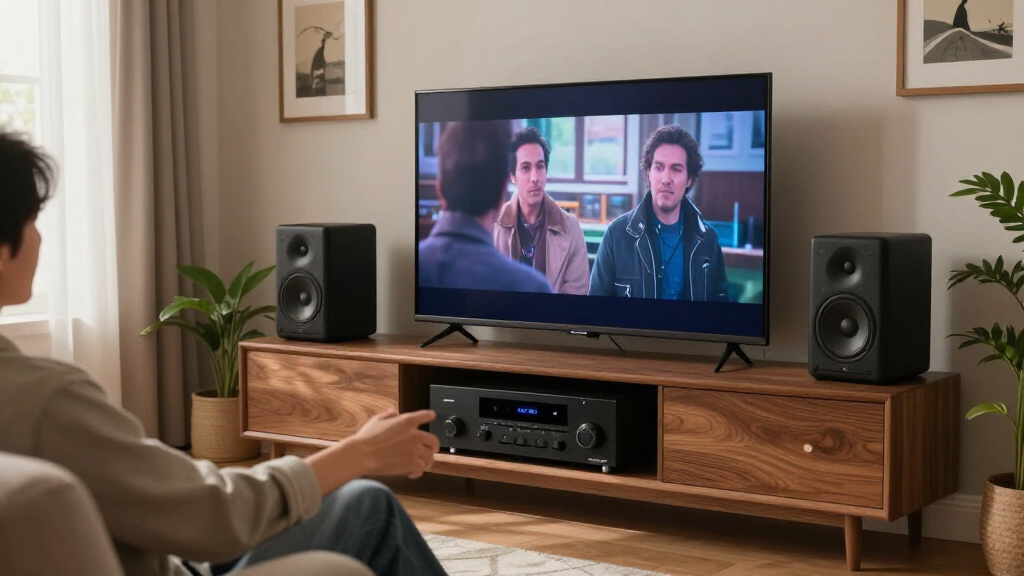
I compared these receivers as home theater components, focusing on the parts that affect a real system: amplified channel count, support for immersive audio formats, HDMI generation and video pass-through, network and streaming functions, and setup flexibility. I also weighed whether a model’s feature set makes sense for a specific room and speaker plan. A five-channel receiver can rank well for a straightforward surround setup, but it cannot serve buyers planning a seven-channel layout.
The order favors receivers with clearly described home theater capabilities and a useful balance of expansion, video support, and everyday usability. That puts the Denon AVR-X1800H and Onkyo TX-NR6100 near the top for flexible systems, while more basic models fit narrower needs. Receivers with less clearly specified format support or fewer documented setup details rank lower, even when their listed channel or power figures look high. Those figures alone do not establish how well a receiver will work with a particular room, speaker load, or source setup.
Factors to Consider When Choosing AV Receivers For Home Theater
I’d plan the system around the room and the equipment it needs to connect, then choose a receiver that supports that plan without leaving key compatibility questions unanswered.
Choose Your Speaker Layout Before Your Receiver
Write down the speaker arrangement you intend to use, including any height speakers, before comparing channel counts. A 5.1 system needs five amplified speaker channels plus a subwoofer output; a 7.1 layout needs two more speaker channels. Atmos and other height effects require a receiver and layout that support the relevant processing and connections, not just a model name that mentions Atmos. A receiver with more channels can preserve room to expand, but it adds little if you will keep a basic layout. Also check whether the listed channel count describes amplified outputs or processing capacity. If the plan is uncertain, pick a model whose documented channel setup matches the next system you are realistically likely to build.
Match HDMI Features to Your Sources and Display
List each device you will connect, such as a game console, streaming box, disc player, and television, then check which video formats each one uses. HDMI 2.1 features such as 4K at 120 Hz and variable refresh rate matter most when a compatible gaming source and display are both in the chain. An 8K label by itself does not tell you which inputs support which refresh rates or gaming features. Check the receiver’s input count as well: a single compatible input may not cover a console and a PC. If your sources connect directly to the TV, confirm that the receiver can receive audio through the TV’s return channel as needed. This avoids paying for video pass-through features your setup will not use or overlooking an input limitation that affects it.
Treat Room Correction as a Setup Tool, Not a Speaker Upgrade
Automatic calibration can help balance speaker levels, distances, and tonal differences after you place the system, particularly in rooms where seating and walls make sound uneven. It cannot compensate fully for poor speaker placement, blocked speakers, or a subwoofer placed in a strong room null. Check which microphone and calibration features come with the receiver and whether the process suits your comfort with setup. Plan time to review the measured speaker sizes and crossover settings instead of accepting every result without a check. A receiver with network controls can make adjustments easier, but an app cannot make a mismatched speaker layout work. If your room is difficult, give more weight to calibration tools and adjustment options than to a larger headline wattage.
Check the Whole Connection Plan, Including Music
Draw a simple connection map that includes game systems, television audio, record players, and any music sources you want to use. Receivers differ in network playback, Bluetooth, multiroom support, and the physical inputs they provide. Bluetooth is convenient for occasional listening, while network playback can suit a shared music library or streaming service; neither substitutes for an input you need, such as a phono connection. Check whether the receiver’s services and control app are available where you live and work with your preferred devices. Also count HDMI and non-HDMI inputs with one spare for a future source. This small inventory can prevent an otherwise capable home theater receiver from becoming awkward in daily use.
Decide When More Channels or Features Are Worth It
Extra speaker channels are useful when they support a planned move from five to seven channels or allow a supported height-speaker layout. They are less compelling when the room cannot fit more speakers or when you would rather improve the speakers and subwoofer you already have. The same goes for streaming extras: pay attention to features you will use, not the longest specification list. If you expect to change rooms or expand the system, additional channels and inputs can reduce the need to replace the receiver later. For a stable, compact system, a clearly specified five-channel model may be easier to configure. Compare the cost of each extra feature with the actual upgrade it enables in your setup.
Use Power Claims Carefully
Published wattage is only a useful comparison when the measurement conditions are comparable, including the number of channels driven and the test range. Large total power figures can describe a different measurement or marketing convention from a per-channel rating. Room size, listening distance, speaker sensitivity, and how loudly you listen all affect the power a system needs. A receiver’s ability to drive your speakers comfortably matters more than comparing numbers drawn from different conditions. Check the speaker impedance guidance and use the receiver’s stated ratings as a starting point. If you are planning a large room or demanding speakers, compare full specifications and installation needs rather than assuming a higher headline figure settles the choice.
Frequently Asked Questions
Should I get a five-channel or seven-channel receiver if I may add speakers later?
Choose based on the expansion you can actually place and connect. A five-channel receiver fits a conventional surround setup, but it cannot power two additional surround or height speakers on its own. A seven-channel model leaves room for more layouts, subject to its supported processing and speaker configurations. Before buying, check whether the extra channels support the arrangement you want; a larger channel number does not guarantee every combination is available. If there is no realistic expansion plan, the simpler receiver may be a better fit.
Will an 8K HDMI receiver improve a 4K home theater?
Not by itself. An 8K label describes a video capability, but your experience depends on the connected sources, display, supported refresh rates, and specific HDMI input features. A 4K gaming setup may benefit more from verified 4K/120 Hz and variable refresh rate support than from 8K pass-through. For movies from a 4K streaming box or disc player, check that the receiver passes the formats your display needs. Match features to your source chain instead of treating resolution labels as a general measure of receiver quality.
Can I connect all my devices to the television and send sound back to the receiver?
Often, yes, through HDMI ARC or eARC, provided both the television and receiver support the needed connection and audio formats. This can save receiver inputs when a TV has enough HDMI ports, but it makes the TV the hub for switching sources. Verify whether the audio formats you use pass over the TV’s connection, especially for higher-bandwidth surround sound. Direct connections to the receiver may be preferable when a source needs a video feature the TV’s ports do not support. Check the manuals for both devices before relying on return audio.
Do I need a network receiver if I mainly watch films and play games?
No, if your sources already provide the streaming apps and you do not need receiver-based music playback or network control. A network connection can add music services, multiroom options, firmware updates, and app-based control, which may be useful for a shared system. Those features do not replace HDMI inputs or improve a source’s picture format. Consider how you will play music and adjust settings day to day. If the receiver will only switch TV and game audio, prioritize the inputs and speaker support you need.
How should I compare receivers when their power ratings look very different?
First check how each number was measured: how many channels were driven, the frequency range, and the stated distortion level. A high total power figure may not be comparable with a per-channel measurement taken under different conditions. Then consider your speaker sensitivity, listening distance, room size, and usual volume. Those factors help indicate whether a receiver has suitable headroom for your setup. When the specifications do not describe comparable tests, treat the figures as limited clues rather than a ranking.
Conclusion
For a flexible seven-channel theater with room for a more involved speaker layout, I’d choose the Denon AVR-X1800H as the best overall fit. The Onkyo TX-NR6100 is my pick for buyers who want its THX certification and network feature set, while the Denon AVR-S670H makes more sense for a straightforward five-channel room. Beginners should start by matching a clearly documented receiver to their speaker plan and source list, rather than chasing the largest channel or power figure. For gaming, focus on verified HDMI features for every input you plan to use; for a compact surround setup, compare five-channel Denon options. Choose the receiver that fits the system you can build and operate comfortably.
Halloween Picks
halloween
As an affiliate, we earn on qualifying purchases.