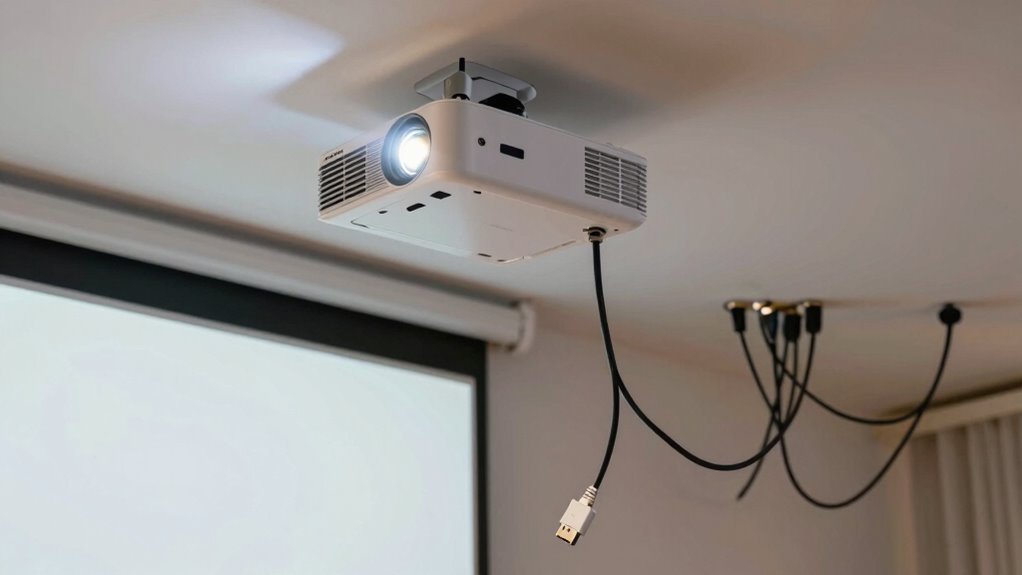
Your projector’s noise often comes down to simple issues like dust buildup, loose parts, or fans working harder than they should. Over time, dust on fans and vents makes them spin faster and louder, while loose screws or vibrations can amplify noise. Sometimes, overheating causes fans to speed up, adding to the sound. If you keep exploring, you’ll find steps to quiet your projector and fix common problems easily.
Prime for Young Adults — start your free trial
Fast free delivery, streaming and member deals for eligible 18–24 year olds.
As an affiliate, we earn on qualifying purchases.
Key Takeaways
- Dust buildup on internal components causes fans to spin faster, increasing noise levels.
- Elevated fan speeds during overheating or high usage produce louder sounds.
- Loose screws or mounting parts can cause vibrations that amplify noise.
- Normal steady low-level noise often indicates proper operation, while sudden changes suggest issues.
- Persistent loud noises may point to internal hardware problems requiring professional repair.
What Causes Noise in Projectors and How to Identify Them
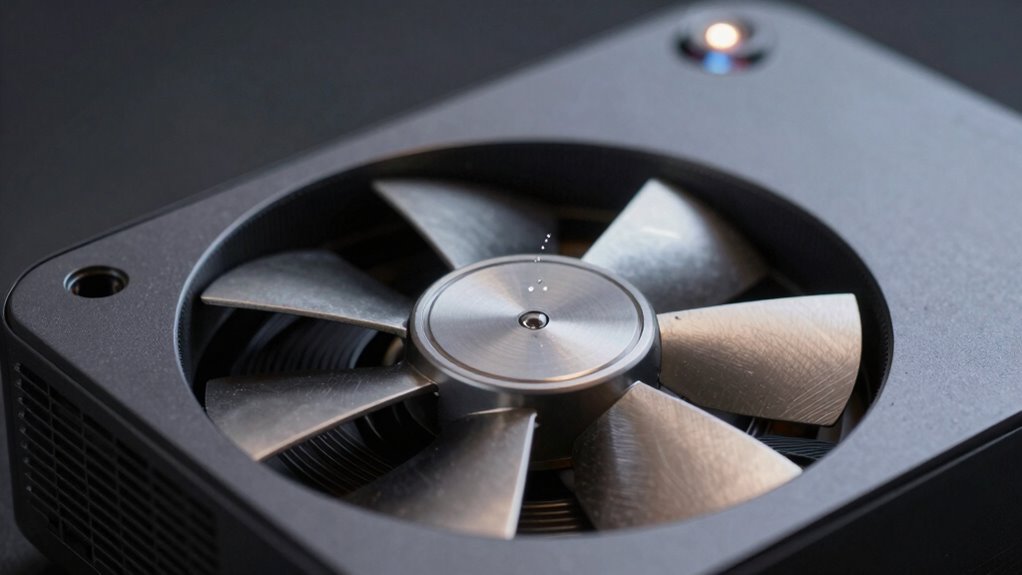
Projector noise often results from the internal components working harder than they should, but identifying the source can help you determine whether it’s normal or a sign of a problem. To start, perform projector sound diagnostics by listening carefully to pinpoint where the noise originates—whether it’s the fan, lamp, or other parts. During noise troubleshooting, note if the noise occurs only when the projector is on or during specific functions. Loud or unusual sounds may indicate that a component is struggling or malfunctioning, while steady, low-level noise is usually normal. Keep in mind that some noise is expected, but if it becomes disruptive or suddenly worsens, it’s time to investigate further or seek professional help. Recognizing these signs helps maintain your projector’s longevity. Additionally, regular maintenance routines can prevent many common noise issues from developing over time. Monitoring for unusual sounds can also help catch potential problems early before they lead to more costly repairs. Being aware of component wear can further guide timely repairs and ensure optimal performance. Furthermore, understanding how internal components operate can assist in diagnosing and addressing noise-related issues more effectively. Performing routine inspections of fans and vents can help identify dust buildup or obstructions that contribute to noise and overheating.
How Dust and Debris Make Your Projector Louder

When dust and debris settle inside your projector, they can substantially increase noise levels. Dust buildup on fans, vents, and internal components forces the fan to work harder to cool the device. This debris accumulation creates extra resistance, causing the fan to spin faster and louder. Over time, the increased airflow noise becomes more noticeable, making your projector sound louder than it should. Additionally, debris can obstruct airflow, leading to overheating. When the cooling system struggles to keep the projector cool, the fan ramps up even more, amplifying noise. Regularly cleaning vents and internal parts helps prevent dust buildup and debris accumulation, keeping your projector running quietly and efficiently. Maintaining a clean interior is essential for minimizing unnecessary noise caused by dust. Proper maintenance of cooling system components can also improve overall performance and longevity of your projector. Moreover, keeping the cooling system in optimal condition can prevent hardware damage, clogged filters, and potential costly repairs. Regular inspections and timely cleaning can significantly reduce the risk of fan failure and ensure your projector operates smoothly. Additionally, understanding the dust accumulation process can help you develop better cleaning habits to maintain optimal performance.
How Fan Settings and Overheating Increase Noise Levels
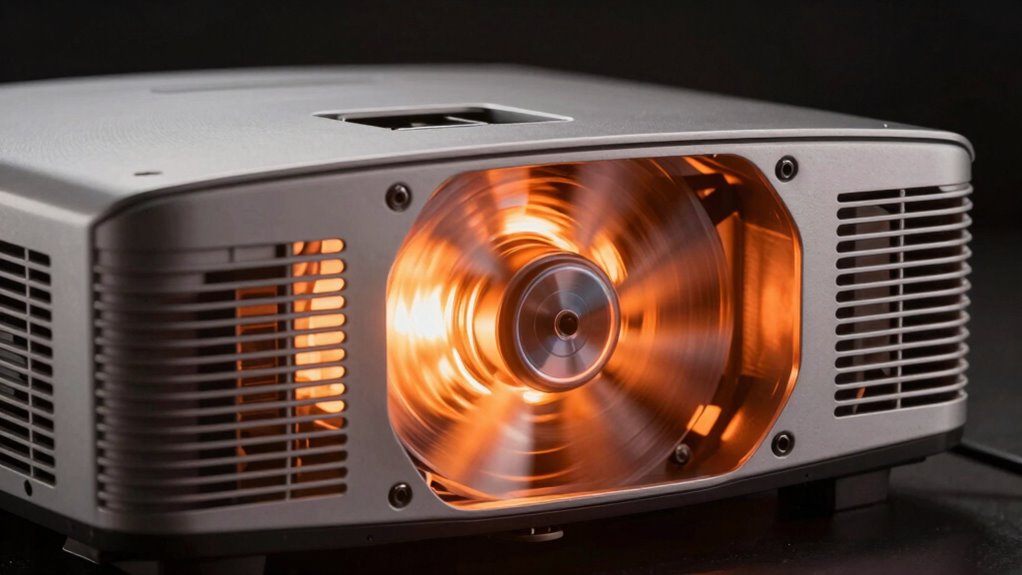
Adjusting fan settings can considerably impact noise levels, especially if the fan runs at higher speeds to cool the projector during heavy use. When overheating issues occur, the fan increases its speed to prevent damage, but this also raises noise levels. You might notice a loud hum or whirring sound when the projector works hard. To visualize, consider this table:
| Fan Speed | Noise Level | Overheating Risk |
|---|---|---|
| Low | Quiet | Minimal |
| Moderate | Noticeable | Possible |
| High | Loud | Likely |
| Max | Very Loud | Critical |
| Cooling Mode | Variable | Dependent on usage |
Balancing fan speed settings helps reduce noise and prevents overheating, ensuring smoother operation. Proper ventilation techniques are essential to maintain optimal performance and safety. Additionally, ensuring that the projector has adequate airflow around it can help manage temperatures more effectively and reduce the need for the fan to run at higher, noisier speeds. Regularly cleaning the vents and filters can also improve cooling efficiency, further reducing the likelihood of overheating and excessive noise. Implementing temperature monitoring tools can also help in maintaining ideal operating conditions and preventing unnecessary fan noise. Furthermore, placing the projector in a well-ventilated space with proper air circulation can significantly lessen the chances of overheating and reduce noise.
Which Loose Parts and Vibrations Are Making Your Projector Noisy
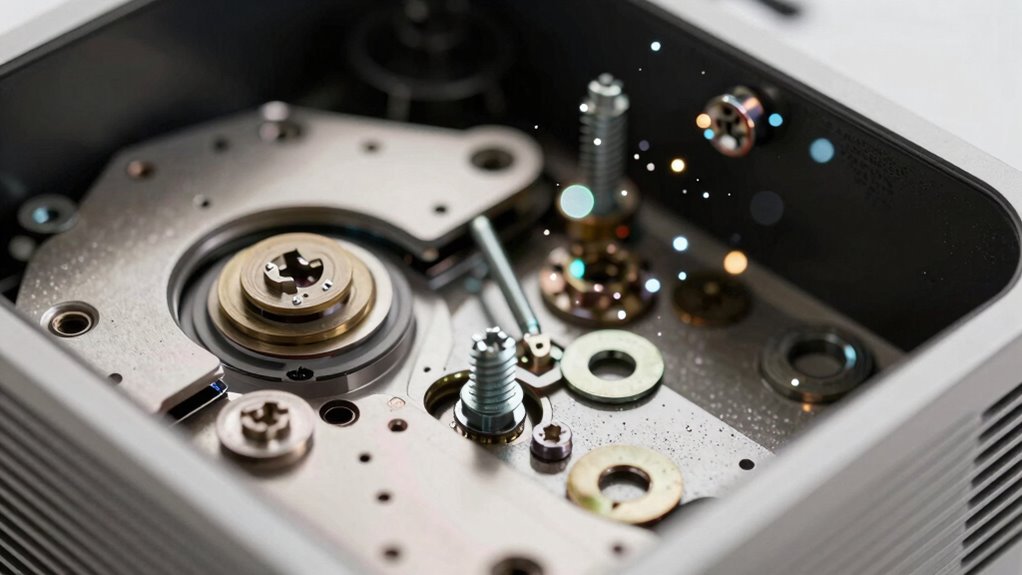
Loose parts inside your projector, such as screws, panels, or internal components, can cause rattling and vibrations that increase noise during operation. Over time, mounting brackets may loosen, allowing internal screws to shift or vibrate. These vibrations can resonate through the projector’s body, amplifying noise. Check the mounting brackets to ensure they’re tightly secured; loose brackets can cause significant rattling. Also, inspect internal screws—if any are loose, tighten them carefully. Vibrations from these loose parts can lead to persistent noise that distracts from your viewing experience. Securing all loose components reduces vibrations and quiets the projector. Regularly inspecting and tightening mounting brackets and internal screws keeps your projector running smoothly and quietly, preventing noise caused by loose parts and vibrations. Additionally, proper vibration dampening techniques can help minimize the noise transmitted through the projector’s chassis. Using anti-vibration pads beneath the projector can further absorb vibrations and reduce noise levels. Incorporating routine maintenance helps identify and address these issues before they escalate into more significant noise problems.
Easy Maintenance Tips to Reduce Your Projector’s Noise
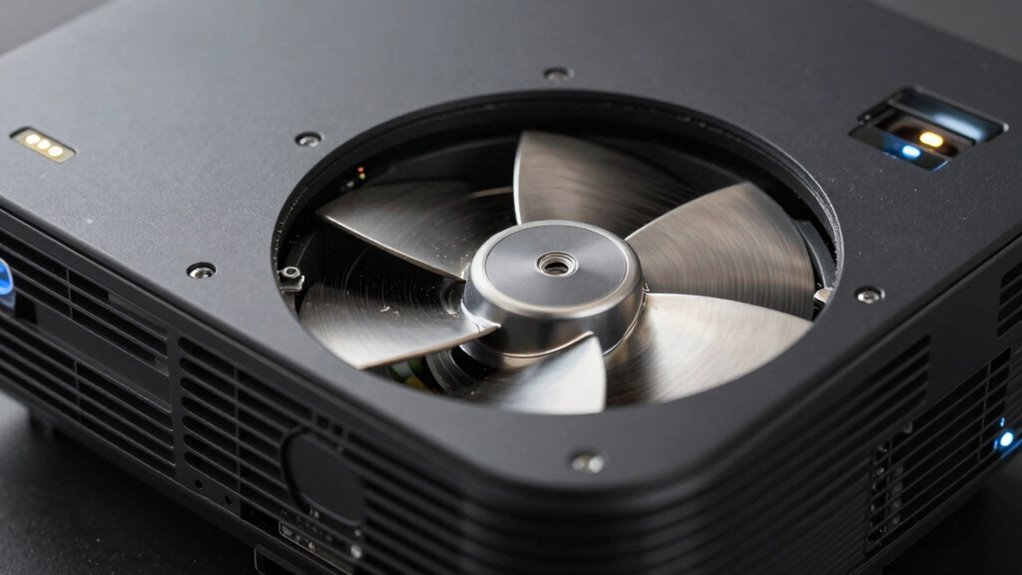
Regular maintenance is one of the simplest ways to keep your projector running quietly. Start with a noise dampening approach by regularly cleaning filters and vents to prevent dust buildup, which can cause overheating and noisy fan operation. Follow a maintenance checklist that includes inspecting and tightening loose screws and parts to reduce vibrations. Keep internal components dust-free with compressed air, ensuring airflow remains unobstructed. Also, check for worn or damaged fan blades and replace them if needed. Lubricate moving parts where applicable to minimize noise from friction. Consider installing soundproofing materials around your projector to further dampen noise. Additionally, selecting a high-quality fan designed for quieter operation can significantly reduce noise levels. Researching and choosing a quiet cooling system can also help maintain a peaceful viewing environment. By routinely performing these simple maintenance tasks, you can considerably reduce noise and extend your projector’s lifespan. Staying on top of these steps helps maintain ideal performance and a quieter environment during presentations or movie nights.
When to Call a Technician for Persistent Noise Problems
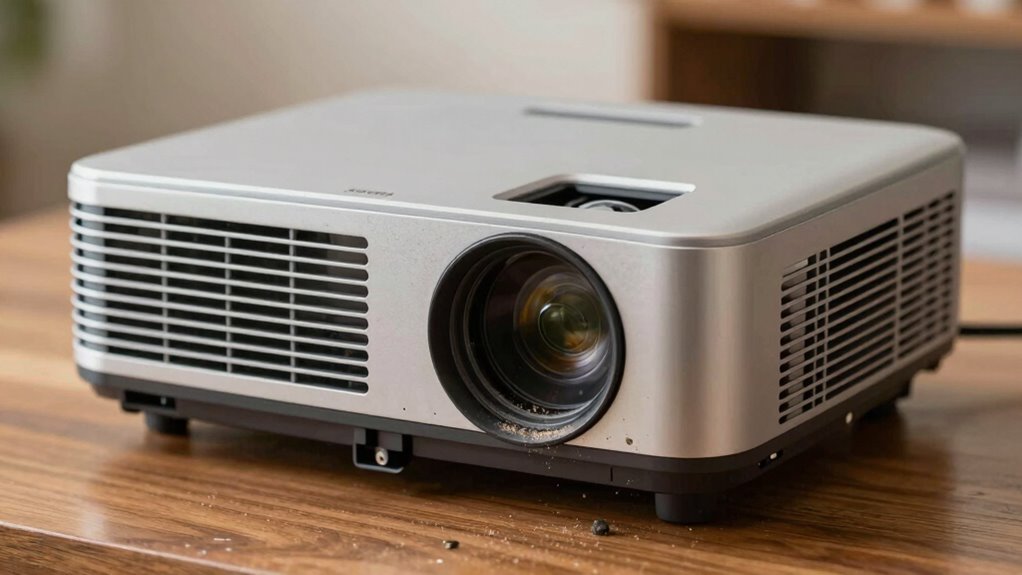
If your projector continues to produce loud or unusual noises despite performing routine maintenance, it’s time to call a technician. Persistent noise often indicates internal issues that soundproofing techniques or noise canceling devices can’t fix. A professional can identify if the problem stems from a failing fan, worn-out bearings, or other hardware components. They may recommend specialized soundproofing measures or suggest replacing parts to reduce noise levels effectively. Attempting to resolve these issues yourself might worsen the problem or damage the projector further. When noise persists despite your efforts, consulting a technician ensures proper diagnosis and repair. Regular maintenance routines, including checking internal components and using proper tools, can help prevent such issues. Additionally, understanding comogenic ratings of projector parts can inform better choices for quieter operation. Being aware of hardware lifespan can also help anticipate when parts might need replacement before noise issues develop. Don’t ignore ongoing noise—professional intervention guarantees maximum performance and a quieter viewing experience.
Frequently Asked Questions
Can Ambient Temperature Affect My Projector’s Noise Levels?
Yes, ambient temperature can affect your projector’s noise levels. When the temperature is high, your projector’s fan speed increases to cool the device, making it noisier. Conversely, in cooler environments, the fan runs slower, reducing noise. To keep noise levels down, make certain your projector is in a well-ventilated, moderate-temperature space, and avoid overheating by keeping the ambient temperature within the recommended range.
Do Different Projector Brands Have Varying Noise Emissions?
Yes, different projector brands have varying noise emissions. When doing a brand comparison, you’ll notice some brands prioritize quieter operation, reflected in their noise specifications. Cheaper models may produce more noise, while premium brands often feature advanced cooling systems designed for quieter performance. To choose the right projector, compare noise specifications carefully, and read reviews to see how each brand performs in real-world settings.
Is It Normal for Projectors to Be Noisy During Extended Use?
Think of your projector as a busy bee, buzzing along during extended use. It’s normal for projectors to be noisy because of ventilation design and fan efficiency; they work harder to keep the device cool. As you use it longer, the fans spin faster, creating more sound. If the noise becomes bothersome, consider upgrading to models with better cooling systems or quieter fans to keep your viewing experience peaceful.
How Does Projector Placement Impact Perceived Noise?
Your projector placement greatly impacts noise perception. If you position it close to walls or in enclosed spaces, the noise sounds louder and more noticeable. Placing it on a stable, open surface away from walls helps diffuse sound, making it seem quieter. Additionally, elevating the projector or angling it differently can diminish the perception of noise. Proper placement ensures you enjoy a clearer viewing experience without distraction from unwanted noise.
Can Software Updates Reduce Projector Noise Issues?
Surprisingly, software updates can help reduce projector noise, though it might seem ironic. By performing firmware upgrades and software optimization, you often improve cooling efficiency and fan control, which lowers noise levels. While hardware changes are more effective, keeping your projector’s software current guarantees it runs smoothly and quietly, making those firmware upgrades worth the effort. So, yes, software updates can make a noticeable difference in noise reduction.
Conclusion
Sometimes, a simple dust buildup or loose part is all it takes to turn your quiet projector into a noisy distraction. By staying attentive and doing regular maintenance, you might just catch the problem before it worsens—saving you time and frustration. It’s funny how a small coincidence, like a sudden increase in noise, can remind you to check those little details. With a little care, you can enjoy a quieter, smoother viewing experience whenever you want.
NFL season / tailgating Picks
team gear
As an affiliate, we earn on qualifying purchases.