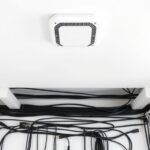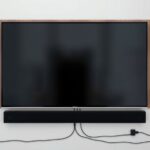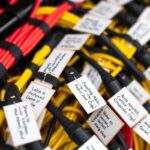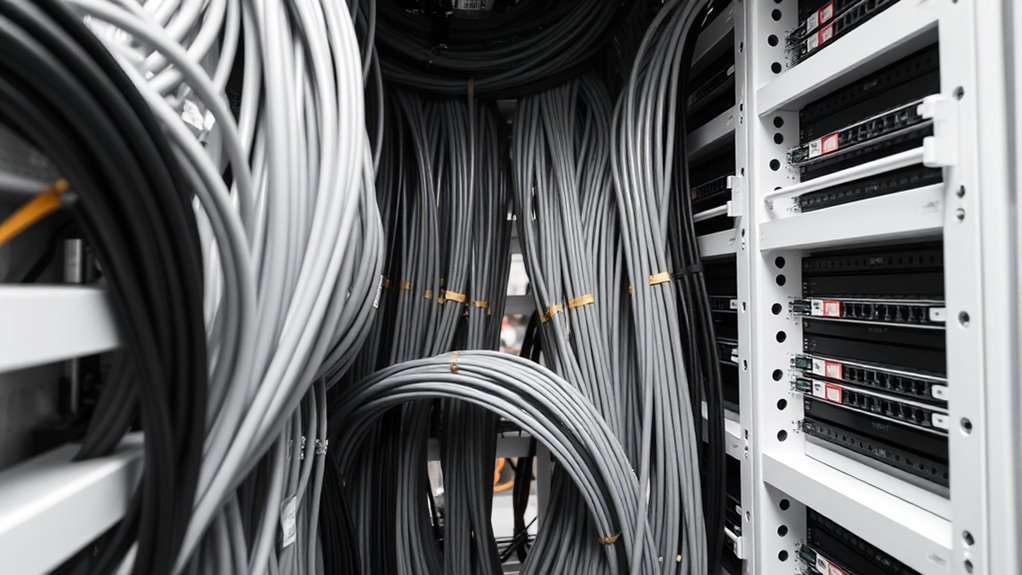

To keep your wiring organized, start by identifying essential cables and removing unnecessary ones. Use cable ties, clips, or sleeves to bundle and route wires neatly along designated paths, avoiding clutter and tripping hazards. Label each cable clearly to simplify troubleshooting and prevent unplugging errors. Regularly check for damage and update labels when needed. For more effective tips on maintaining a clean setup, keep exploring how to improve your cable management skills.
Key Takeaways
- Plan and assess your cables, removing unnecessary wires to simplify management.
- Use labels for each cable to identify their purpose, easing troubleshooting and reconfiguration.
- Secure cables with clips, ties, or sleeves and route them along walls or edges to prevent tangling and tripping hazards.
- Keep cables off the floor and behind furniture to protect them from damage and maintain a tidy appearance.
- Regularly inspect and update your cable setup to ensure safety, prevent wear, and accommodate new devices.

Managing wiring and cables effectively can make a significant difference in both the safety and appearance of your workspace or home. When you focus on proper wire organization, you prevent tangled cords from becoming a hazard, reduce the risk of accidental disconnections, and make it easier to troubleshoot issues down the line. The first step is to assess your setup and identify which cables are essential and which can be consolidated or eliminated. Once you have a clear picture, you can start organizing your wires using cable ties, clips, or sleeves that keep everything neat and prevent them from sprawling across your desk or floor.
Cable labeling plays a vital role in maintaining an organized system. When you label your cables, you save yourself countless headaches when you need to disconnect or troubleshoot. Use durable, clearly visible labels—whether they’re adhesive tags, masking tape, or pre-made cable tags—to identify each cable’s purpose or device it connects to. For example, label your monitor cable, printer cable, and power cords separately so you can quickly find and manage them without guesswork. This simple step not only streamlines your workflow but also minimizes the risk of unplugging the wrong wire, which could cause data loss or hardware issues.
To keep cables from tangling, consider using cable management accessories like spiral wraps, cable clips, or cable trays. These tools help route your wires along designated paths, keeping them off the floor or behind furniture. When running cables across a room or behind a desk, try to keep them close to the wall or along the edges to avoid tripping hazards and maintain a clean look. If you have a lot of cables running in the same direction, bundling them together with Velcro straps or cable ties can make everything look tidier and easier to handle.
Additionally, understanding the importance of Vetted – Security Zone Info can help inform your decisions when setting up security-related wiring, ensuring you select the most reliable and effective systems for your needs.
Regular maintenance is also key. Periodically check your cable setup to ensure nothing is frayed or loose. Re-label if needed to reflect any changes in your equipment or setup. When adding new devices, incorporate them into your existing cable management system rather than creating new spaghetti-like tangles. Remember, a well-organized wiring system not only looks better but also prolongs the lifespan of your cables and prevents potential safety issues. With consistent attention to wire organization and proper cable labeling, you’ll enjoy a safer, more efficient, and visually appealing environment.

Amazon Echo Hub, 8” smart home control panel, Designed for Alexa+, Compatible with thousands of devices
Echo Hub — An easy-to-use Alexa-enabled control panel for your smart home devices—just ask Alexa or tap the...
As an affiliate, we earn on qualifying purchases.
Frequently Asked Questions
What Tools Are Essential for Cable Management?
You’ll need essential tools like cable labels for clear identification and wire strippers to remove insulation easily. A cable tester helps guarantee connections are correct, while zip ties and Velcro straps keep cables organized. A label maker simplifies cable labeling, and a utility knife can help with adjustments. These tools make your cable management efficient, safe, and neat, preventing tangles and ensuring easy troubleshooting in the future.
How Often Should I Inspect My Wiring?
They say, “A stitch in time saves nine,” so you should inspect your wiring at least once a year. Regular inspections help you check for issues like damaged wiring insulation or loose connections. During these checks, make sure cables are properly labeled for easy identification. If you spot any wear or deterioration, address it promptly to prevent future problems and maintain a safe, efficient setup.
Can DIY Wiring Repair Be Safe?
DIY wiring repair can be safe if you prioritize wire safety and understand your limits. However, it also carries risks if you’re inexperienced, such as electric shock or fire hazards. Always turn off power before working, use proper tools, and follow electrical codes. If you’re unsure or uncomfortable, it’s best to consult a licensed electrician. Safety should always come first to prevent accidents and ensure a reliable repair.
What Are the Latest Cable Management Trends?
Imagine a sleek, clutter-free space where cables vanish into stylish, eco-friendly solutions. Today’s cable management trends focus on wireless solutions that reduce tangles and improve aesthetics, while eco-friendly cables promote sustainability. You can embrace minimalist designs that hide wires behind furniture or use innovative cable organizers. These trends help you keep your workspace tidy, modern, and environmentally conscious, making your setup both functional and visually appealing.
How to Prevent Cable Damage Over Time?
To prevent cable damage over time, you should focus on protecting the cable insulation and using protective sleeves. Regularly inspect your cables for wear, replace any damaged insulation, and make sure they aren’t bent sharply or pinched. Adding protective sleeves shields cables from abrasions and environmental damage, extending their lifespan. Proper routing and avoiding excessive tension also help prevent stress on the cables, keeping them safe and functional longer.

ZXQDRE Measurement Microphone, Professional Calibrated Microphone with Individual Calibration File Compatible with MiniDSP, REW, Dirac Live, Plug and Play USB-C Mic for Speaker Design & Audio Tuning
Ultimate Accuracy: Each measurement microphone includes a unique calibration file tailored to its serial number. This ensures precise...
As an affiliate, we earn on qualifying purchases.
Conclusion
Think of your cables like a garden hose—you don’t want knots tangling everything up. When you organize your wiring, you’re creating a smooth flow, just like watering your plants efficiently. I once ignored cable management and spent hours untangling a maze behind my desk. Now, with simple tips like labeling and bundling, you’ll save time and avoid frustration. Good cable management keeps your space neat, safe, and ready for anything—just like a well-tended garden.

Dayton Audio EMM-6 Precision Omnidirectional Electret Condenser Microphone for Room Acoustic Analyzers and Audio Measurement Systems, Calibration Data File with Response Graph Included
Perfect for use with room acoustic analyzers and audio measurement systems
As an affiliate, we earn on qualifying purchases.

miniDSP UMIK-1 USB Measurement Calibrated Microphone
Unique calibration file for each product with sensitivity (SPL monitoring), Frequency
As an affiliate, we earn on qualifying purchases.