
TL;DR

Get business pricing on your home office setup
- Business-only prices and quantity discounts
- Tax-exempt purchasing
- Multiple users, one account, clear invoices
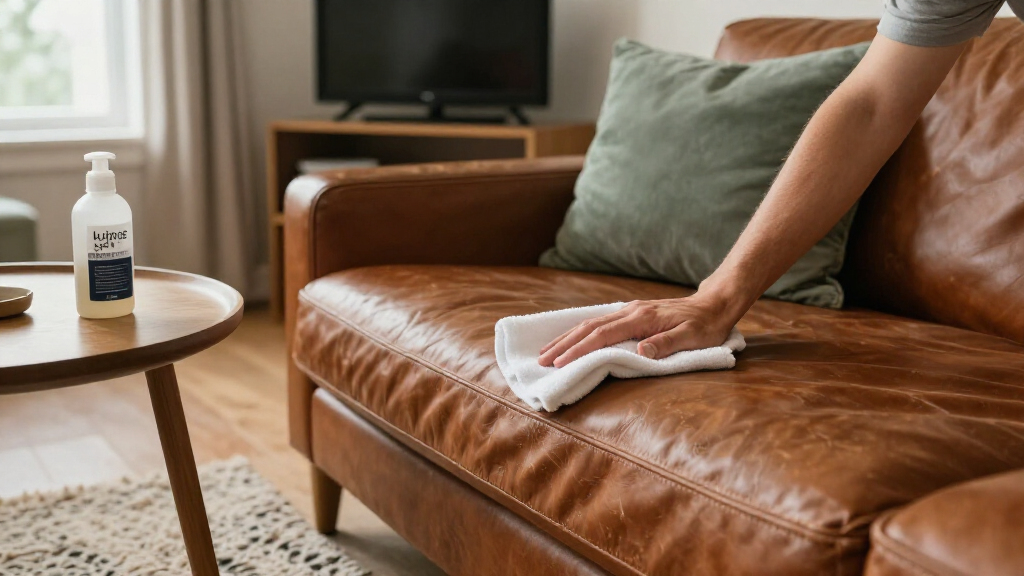
A House Beautiful report, citing two leather-care experts, recommends removing dust and debris from leather furniture every one to two weeks as needed, with deep cleaning every three to six months. Cleaning methods depend on the leather type; tears, holes, large discolored areas and persistent stains may call for a professional.
A House Beautiful report drawing on advice from two leather-care specialists recommends removing dust, pet hair and crumbs from leather furniture about every one to two weeks, depending on use, and scheduling a deeper clean every three to six months. The guidance matters because the right frequency and cleaning method can help owners maintain leather while avoiding excess moisture or unsuitable products.
Lisa Beach, director of operations at leather furniture company BenchMade Modern, advises vacuuming or wiping leather with a dry cloth when dust, pet hair, dander or crumbs start to collect. That may mean cleaning every one to two weeks, depending on how often the furniture is used. The aim is to keep particles from settling on the surface, where they may scratch it.
Beach cautions that regular quick cleanings generally should not involve a damp cloth. For semi-aniline or protected leather, she says owners may wipe the furniture with a damp cloth every few months, then use a dry cloth to remove excess moisture. She says natural full-grain leather is more absorbent, so moisture should generally be avoided except when dealing with a spill or stain.
Shawn McGowen, CEO of leather-care product maker Leather Honey, recommends a deeper clean with a specialized pH-balanced product every three to six months, followed by leather conditioner. The source does not give a single schedule for every household or leather finish, so the advice is to adjust for use and follow care guidance for the particular material.
Regular Care Can Limit Surface Wear
The recommendations offer owners a practical way to balance routine upkeep with the risk of using too much water or the wrong cleaning product. Regularly removing grit and debris may help reduce surface scratching, while a periodic deeper clean and conditioning routine can support ongoing care. The source does not quantify how much these steps extend a sofa’s lifespan, so they should be understood as expert care guidance rather than a guarantee.
The distinction between ordinary aging and damage can also shape whether owners attempt a small touch-up or seek help. Leather may develop a patina through regular use, but cracks, flaking or major discoloration may need a different response. Recognizing that difference can prevent an owner from treating damage as a cosmetic change—or attempting a repair that makes it worse.
Products Worth Considering

Samsung 65-Inch QN70FA Neo QLED 4K Smart TV with 8-Foot WireLogic Ruby Ultra High Speed HDMI Cable (2025)

Roborock Q7 L5 Robot Vacuum and Mop Combo, 8,000 Pa Suction

Blueair Blue Pure 511i Max Smart Air Purifier
As an affiliate, we earn on qualifying purchases.
Patina and Damage Look Different
Leather can change appearance as it ages. McGowen describes patina as a slightly darker color, softer sheen and smoother feel, often appearing where people sit or rest their arms. He attributes this effect to natural body oils gradually burnishing the surface and says it is different from damage caused by neglect.
Signs that may indicate damage include cracking, flaking, stiffness or wrinkles that do not go away after cleaning. The source also says leather can fade rather than darken when placed in a particularly sunny room. McGowen says at-home recoloring balm or leather dye can be applied to small areas, but the report does not provide product-specific instructions or say that every faded piece is suitable for a DIY treatment.
For more serious wear, McGowen recommends considering a leather-care professional. He points to tears, holes, large areas of discoloration and stains as cases where DIY work can become difficult. Professionals may have experience with color matching and upholstery and access to tools for larger restoration jobs, he says.
“For semi-aniline or protected leathers, you may wipe down your furniture every few months with a damp cloth, but be sure to follow with a dry cloth to remove any excess moisture.”
— Lisa Beach, director of operations at BenchMade Modern, as quoted by House Beautiful
Care Needs Vary by Leather Type
The report does not establish one cleaning schedule for every leather sofa. Recommended frequency depends partly on use, and the appropriate method depends on whether the material is semi-aniline, protected or natural full-grain leather. It also does not identify specific cleaning products, provide care instructions for every finish, or set out a test procedure for products.
The source offers expert recommendations, not a controlled comparison showing that a particular routine prevents a set amount of wear or extends furniture life by a defined period. It does not say how to treat every stain, tear or discoloration, either. Owners with uncertain leather types or extensive damage may need product-maker guidance or a professional assessment.
Check the Finish Before Cleaning
Before cleaning, owners can identify the leather type if possible and consult the furniture maker’s care instructions. For routine upkeep, Beach’s advice is to remove visible dust and debris with a vacuum or dry cloth as it accumulates; owners should avoid assuming that a damp wipe is suitable for every leather finish.
For periodic care, the experts recommend a specialized pH-balanced cleaner and conditioner on a three-to-six-month schedule, while noting that methods vary by leather type. If the furniture has tears, holes, extensive discoloration or persistent stains, McGowen says a leather-care specialist may be better equipped to assess and restore it. The source gives no single next step for every piece, so the material and condition will determine what is appropriate.
Key Questions
How often should I remove dust and crumbs from leather furniture?
Lisa Beach recommends removing dust, pet hair, dander and crumbs as they accumulate, which may mean every one to two weeks depending on how often the furniture is used. She advises a vacuum or dry cloth for this routine cleaning.
How often should leather furniture be deep-cleaned?
Shawn McGowen recommends a deeper clean with a specialized pH-balanced product every three to six months, followed by leather conditioner. The right routine may vary with the leather type and the furniture maker’s care instructions.
Can I use a damp cloth on leather?
Beach says damp wiping may be suitable every few months for semi-aniline or protected leather, followed by a dry cloth. She advises against routine moisture for natural full-grain leather, which is more absorbent, except when cleaning a spill or stain.
How can I tell patina from leather damage?
McGowen describes patina as a somewhat darker color, softer sheen and smoother feel, often developing in frequently used areas. Cracking, flaking, stiffness or wrinkles that persist after cleaning may indicate damage rather than patina.
When should I call a leather-care professional?
McGowen points to tears, holes, large areas of discoloration and stains as problems that can be difficult to handle at home. A specialist may be better suited to larger restoration work involving color matching or upholstery.
Source: housebeautiful.com