To maximize sound quality, start by placing acoustic panels at reflection points identified with a mirror from your listening spot—these spots catch sound bouncing off walls and ceilings. Add bass traps in corners to control low frequencies and prevent muddiness. Position panels behind and around your seating area to absorb direct reflections, creating a balanced environment. Understanding your room’s purpose helps tailor your setup effectively. Keep exploring for more tips to fine-tune your space and enjoy better acoustics.
Key Takeaways
Identify and target first reflection points using a mirror to locate optimal panel placement.
Place bass traps in room corners to control low-frequency buildup and improve sound balance.
Position panels behind and around the listening area to absorb reflections and reduce echo.
Adjust panel placement based on room purpose, focusing on reflection reduction for speech or balanced treatment for music.
Experiment with small positional changes to maximize sound clarity and create an even, controlled acoustic environment.
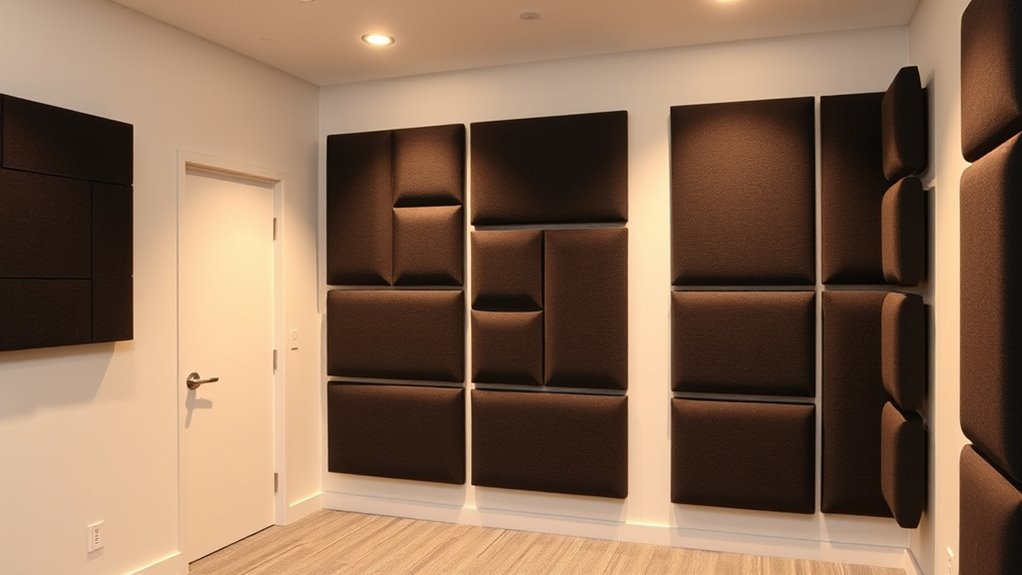
Proper acoustic panel placement is essential for optimizing sound quality and reducing unwanted noise in any space. When you position panels thoughtfully, you create a balanced listening environment where clarity and acoustics shine. The goal is to control reflections, echoes, and reverberations so that sound behaves predictably. Start by identifying the primary sources of sound, whether it’s speech, music, or multimedia. Once you understand where sounds originate, you can plan your panel placement to absorb or diffuse these reflections effectively.
Thoughtful acoustic panel placement enhances sound clarity and reduces noise for a balanced listening environment.
In most rooms, sound waves bounce off flat surfaces like walls, ceilings, and floors, causing echoes that muddle clarity. To combat this, you should target these reflective surfaces with your panels. The most effective placement is often at the point where sound waves first hit the wall after bouncing from the source—these are called “first reflection points.” You can find these spots by having someone speak or play music and then having you sit in your usual listening position, using a mirror to locate where the sound reflects off the wall to your ears. Mark those spots and install panels there to absorb early reflections, greatly improving clarity.
Another critical area is the corners of your room. These are known as “bass traps,” and placing acoustic panels or specially designed bass trap panels in these corners helps control low-frequency buildup. If you notice that your room sounds boomy or muddy, adding bass traps can smooth out the sound. Incorporating room acoustics principles into your setup can further enhance sound quality by managing how sound waves interact within your space. Additionally, understanding the sound behavior within your room can guide you in achieving the best acoustic setup. It’s also beneficial to consider the types of acoustic treatments available to tailor your room’s response to your specific needs.
Your listening position is just as important as where you place panels. Ideally, you want your panels to be behind and around you, creating a zone of sound absorption that minimizes reflections reaching your ears. If possible, position your seating or listening area away from large flat surfaces that reflect sound directly back toward you. Experiment with panel placement by moving them slightly and listening for differences; small adjustments can make significant improvements.
Finally, consider the room’s purpose when arranging panels. For speech-focused environments, prioritize absorbing sound at reflection points and reducing echo. For music rooms, you might want a mix of absorption and diffusion to maintain a lively, natural sound. Proper placement isn’t just about sticking panels on walls; it’s about understanding how sound moves and interacts within your space. When you plan your acoustic treatment carefully, you’ll notice clearer sound, less distraction from background noise, and an overall more enjoyable listening experience.
2000 ANSI 4K Decoding Projector with WiFi and Bluetooth, HAPPRUN Movie Home Theater with Auto Focus, 300'' Display for Indoor/Outdoor, Smart Proyector Compatible with Phone/TV Stick/PC/PS5
[EASIER OPERATION: AI Smart Screen Adjustment] HAPPRUN projector comes with auto focus and 6D auto-keystone technology, enjoy a...
As an affiliate, we earn on qualifying purchases.
Frequently Asked Questions
How Do I Choose the Right Type of Acoustic Panels for My Space?
Choosing the right acoustic panels depends on your space’s specific needs. Consider the room size, purpose, and existing acoustics. If you want to reduce echo in a home theater, opt for thicker, high-density panels. For speech clarity in an office, lighter, softer panels work best. Think about aesthetics too—select styles and colors that blend with your decor. Ultimately, matching panel type to your room’s noise issues guarantees ideal sound quality.
Can Acoustic Panels Improve Sound Quality in Outdoor Environments?
Did you know that outdoor noise levels can be reduced by up to 50% with acoustic panels? While they’re typically designed for indoor use, high-quality outdoor acoustic panels can improve sound quality by absorbing and diffusing noise in open spaces. You can install weather-resistant panels on walls or fences to minimize echoes and background noise, making your outdoor environment more comfortable and enjoyable for conversations or events.
Are There Specific Colors or Designs That Influence Acoustic Performance?
While color and design don’t directly impact acoustic performance, they can influence how you perceive sound. Bright or bold colors might energize a space, making it feel lively, while neutral tones create calmness. Choose designs that complement your environment, but focus on the material’s sound-absorbing qualities. Ultimately, select colors and patterns that make you happy and suit your space, ensuring the acoustic benefits are maximized through proper panel placement.
How Often Should I Replace or Upgrade My Acoustic Panels?
You should consider replacing or upgrading your acoustic panels every 5 to 10 years, depending on their condition and your needs. If you notice persistent dust buildup, damage, or a decline in sound absorption, it’s time for an upgrade. Regularly inspect them, especially in high-use areas. Upgrading to newer, more effective panels can enhance your sound quality and ensure your space remains acoustically optimized.
What Are Common Mistakes to Avoid When Placing Acoustic Panels?
Imagine you’re steering a spaceship’s control room—precision matters. When placing acoustic panels, avoid common mistakes like sticking them too high or low, which reduces effectiveness. Don’t overlook corners, as they trap sound better when treated. Also, don’t forget to measure and plan your layout carefully; haphazard placement can cause uneven sound. Proper positioning ensures you get the best sound quality, making your space sound just right.
【2200ANSI & Officially-Licensed APP】Smart 4K Projector with WiFi and Bluetooth, VISSPL 3D Dolby Audio and Auto Focus Portable Outdoor Projector, Movie Home Theater Proyector with 360° Adjustable Stand
[ Compatible with Netflix - No Extra Devices Needed ] - VISSPL Smart Projector: Hollywood in the palm...
As an affiliate, we earn on qualifying purchases.
Conclusion
Now that you know where to place your acoustic panels, you’re well on your way to transforming your space. Remember, it’s not just about throwing panels up randomly; thoughtful positioning makes all the difference. Think of it like tuning a guitar—small adjustments can produce a harmonious sound. With patience and attention, you’ll turn your room into a sound haven where clarity and quality shine through. Trust the process, and you’ll see the results speak for themselves.
Official Licensed Google TV Smart Projector, HAPPRUN 4K UHD Home Theater with Dolby Sound, Wi-Fi & Bluetooth, Built-in Streaming Apps, Compatible with Games Consoles & Smartphone, Indoor & Outdoor Use
[ Built-in Official Licensed Google TV ] - Without additional equipment, the smart projector can directly access Netflix,...
As an affiliate, we earn on qualifying purchases.
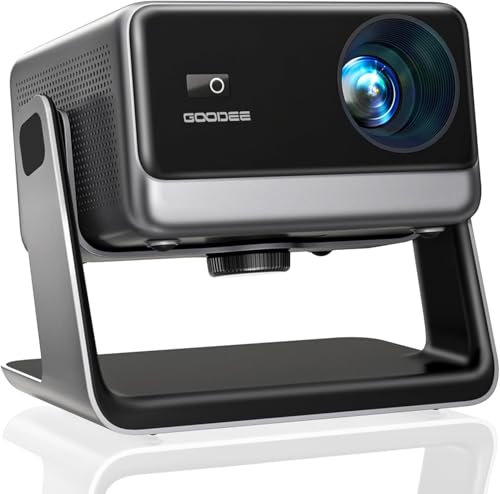
GooDee Video Projector With Wifi And Bluetooth, Smart Portable Projector Movie System Compatible With Netflix/Dolby Audio/Auto Focus & Keystone, 4k Video Decode & 1080p Native For Home Theater/Outdoor
「Smart TV Projector」The Goodee AC321 4K projector is officially licensed by mainstream streaming platforms such as Netflix/YouTube/Prime Video,...
How to Set Up a Multi-Room Audio System for Your Home
Discover the essential steps to set up a multi-room audio system for your home and unlock a world of seamless sound. Ready to elevate your listening experience?
Immersive Seating: Using Bass Shakers for a 4D Home Theater Experience
Immersive seating with bass shakers transforms your home theater into a 4D experience, immersing you in realistic vibrations that enhance every scene—discover how inside.