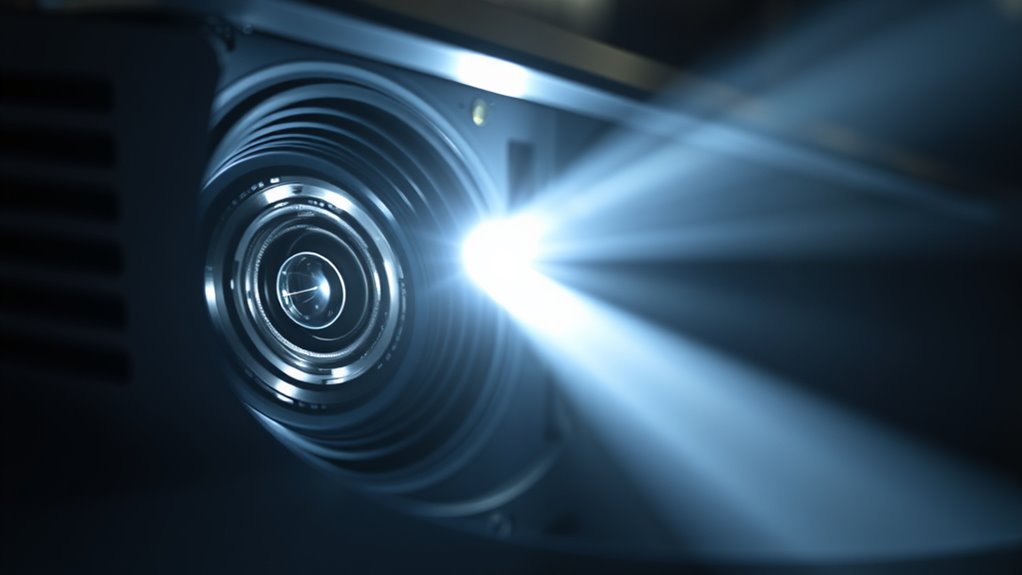

A projector works by using a bright light source, like a lamp or LED, which sends focused beams through optical components such as lenses, mirrors, and color filters. These components shape and modulate the light, creating clear, vibrant images by guiding different color channels and controlling pixel modulation. Proper alignment guarantees sharpness and accurate color reproduction. If you keep exploring, you’ll discover how each element collaborates to produce stunning projected images seamlessly.
Key Takeaways
- The projector’s light source generates a focused beam that illuminates the image formation process.
- Light travels through optical components like lenses and mirrors, shaping and directing the image onto the screen.
- Modulation devices such as LCD panels or DMDs control light pixels to form the projected image.
- Proper optical alignment ensures sharpness, focus, and image clarity by correctly converging light pathways.
- Color is produced by splitting light into red, green, and blue channels, then recombining for vibrant images.

A projector works by shining light through a small, transparent image or video signal and enlarging it onto a larger screen. At the core of this process is projection technology, which enables the device to manipulate light in precise ways to produce clear, bright images. When you turn on a projector, the light source—often a high-intensity lamp, LED, or laser—generates a powerful beam. This light then travels along specific light pathways, carefully directed through various optical components that shape and modulate the image.
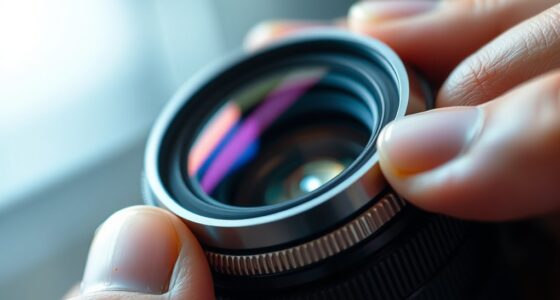
These light pathways are fundamental to how a projector creates its images. Inside, you find an arrangement of lenses, mirrors, and sometimes digital micromirror devices (DMDs), liquid crystal displays (LCDs), or laser arrays. The light from the source is directed through these components, which act as gatekeepers, controlling which parts of the image are transmitted, blocked, or reflected. For example, in LCD projectors, the light passes through tiny liquid crystal panels that modulate the light intensity at each pixel, creating the desired image. In DLP projectors, millions of tiny mirrors tilt back and forth, directing light along different pathways to form the image.
Light is directed through lenses, mirrors, and digital components to create clear, vibrant images.
The way light moves through these optical elements determines the clarity, brightness, and color accuracy of the projected image. Precise alignment of lenses and mirrors ensures that light pathways converge correctly onto the screen, maintaining focus and sharpness. If the pathways are misaligned or the optical components degrade over time, the image can appear blurry, dim, or distorted. Additionally, the quality of the optical components significantly impacts color fidelity, ensuring vibrant and true-to-life images.
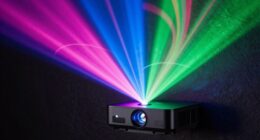
Color management is another critical aspect of projection technology. By splitting the light into different color channels—red, green, and blue—projectors can recombine these pathways to produce full-color images. This process often involves dichroic filters or prisms that direct specific wavelengths along designated routes, allowing the projector to reproduce vibrant, lifelike colors. The synchronization of these light pathways with the image signal ensures that each pixel displays the correct color and intensity.

【2200ANSI & Officially-Licensed APP】Smart 4K Projector with WiFi and Bluetooth, VISSPL 3D Dolby Audio and Auto Focus Portable Outdoor Projector, Movie Home Theater Proyector with 360° Adjustable Stand
[ Compatible with Netflix - No Extra Devices Needed ] - VISSPL Smart Projector: Hollywood in the palm...
As an affiliate, we earn on qualifying purchases.
Frequently Asked Questions
How Does the Color Accuracy Vary Between Different Projector Types?
You’ll notice color accuracy varies between projector types because of differences in color calibration and color gamut. DLP projectors often deliver vibrant colors but may have limited color gamuts, while LCD projectors typically offer better color calibration and wider color gamuts for more accurate images. Laser projectors usually excel in color accuracy, providing precise calibration and broader color ranges, making them ideal for professional use.
What Maintenance Is Required to Keep a Projector Functioning Optimally?
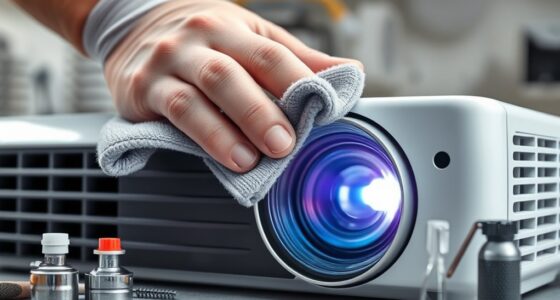
To keep your projector working ideally, you should regularly replace the lamp before it burns out completely. Dust cleaning is essential; use a soft cloth or compressed air to remove dust from vents and internal components to prevent overheating. Check and clean the air filters frequently, and ensure the lens stays clear. Proper maintenance prolongs projector life, maintains image quality, and guarantees smooth operation.
Can Projectors Be Used Outdoors Effectively?
Yes, you can use projectors outdoors effectively, especially with proper outdoor lighting control. To guarantee clear images, set up a portable setup with a shaded area or use a weatherproof projector designed for outdoor use. Keep the environment dark enough to avoid glare, and secure your equipment from elements like wind or rain. This way, you get a great viewing experience even outside.
How Do Ambient Light Conditions Affect Projector Image Quality?
In softer ambient lighting, your projector’s image shines brighter and clearer, thanks to better screen reflectivity. Bright ambient light, however, can wash out the image, making details harder to see. To optimize quality outdoors, consider lowering ambient lighting or using a high-gain screen. You’ll find that managing ambient lighting directly enhances your viewing experience, ensuring sharpness and vividness even when conditions aren’t perfect.
What Advancements Are Being Made in Projector Lens Technology?
You’ll notice that advancements in projector lens technology focus on improved lens coatings and smarter aperture design. Modern lens coatings reduce glare and increase contrast, making images clearer even in bright environments. Meanwhile, innovative aperture designs allow for better control of light, enhancing depth of field and focus accuracy. These improvements help you enjoy sharper, more vibrant images with minimal distortion, regardless of ambient lighting conditions.

2000 ANSI 4K Decoding Projector with WiFi and Bluetooth, HAPPRUN Movie Home Theater with Auto Focus, 300'' Display for Indoor/Outdoor, Smart Proyector Compatible with Phone/TV Stick/PC/PS5
[EASIER OPERATION: AI Smart Screen Adjustment] HAPPRUN projector comes with auto focus and 6D auto-keystone technology, enjoy a...
As an affiliate, we earn on qualifying purchases.
Conclusion
So, now that you know how a projector manipulates light and optics, you’re basically a tech wizard—minus the fancy degree and the late-night study sessions. Just remember, behind every stunning movie night or presentation is a tiny miracle of science, quietly working its magic. Next time you watch a film, give a little nod to those clever photons making it all possible. After all, without them, your blockbuster dreams would just be… well, dreams.

HAPPRUN Native 1080P Projector, Bluetooth Home Theater Movie Projector with Built-in Speaker, Compatible with Smartphone, HDMI, Fire Stick, PS5, Indoor & Outdoor Use -With Google TV System
[ Built-in Official Licensed Google TV ] - Without additional equipment, the smart projector can directly access Netflix,...
As an affiliate, we earn on qualifying purchases.
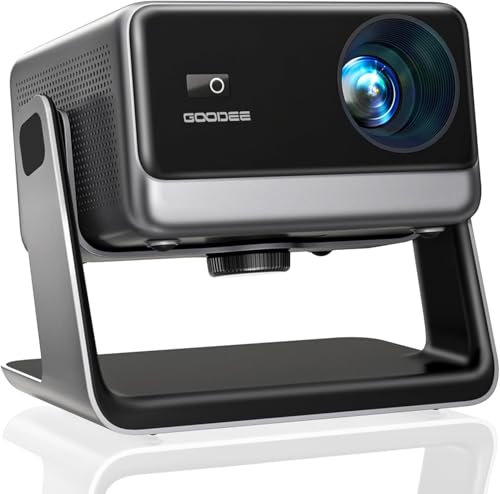
GooDee Video Projector With Wifi And Bluetooth, Smart Portable Projector Movie System Compatible With Netflix/Dolby Audio/Auto Focus & Keystone, 4k Video Decode & 1080p Native For Home Theater/Outdoor
「Smart TV Projector」The Goodee AC321 4K projector is officially licensed by mainstream streaming platforms such as Netflix/YouTube/Prime Video,...
As an affiliate, we earn on qualifying purchases.