

Pixel shifting is a real technique that boosts image resolution and detail by making precise movements of the camera or sensor during multiple shots. To succeed, you need to guarantee your camera is accurately calibrated and mounted on a stable tripod. The process involves capturing several aligned images and merging them with software to reduce noise, improve sharpness, and enhance color accuracy. Keep practicing, and you’ll discover how this method can transform your images even further.
Key Takeaways
- Precise camera calibration and stable setup are essential for effective pixel shifting results.
- Using controlled sensor movements and matching exposure settings improves image alignment and quality.
- Post-processing with software stacking and careful alignment minimizes artifacts and enhances detail.
- Regularly verify calibration and stability to maintain consistent, high-resolution images.
- Pixel shifting is best suited for static scenes in controlled environments for optimal results.

SOULWIT 50Pcs Self Adhesive Cable Management Clips - Black
- 🔷SUPER EASY TO USE: Stick to clean surface, open...
- 🔷PREMIUM MATERIAL: Made from eco-friendly Polyamide66 material,...
- 🔷STICKY IN MANY SURFACES: Works on all clean surfaces...
As an affiliate, we earn on qualifying purchases.
What Is Pixel Shifting and How Does It Work?
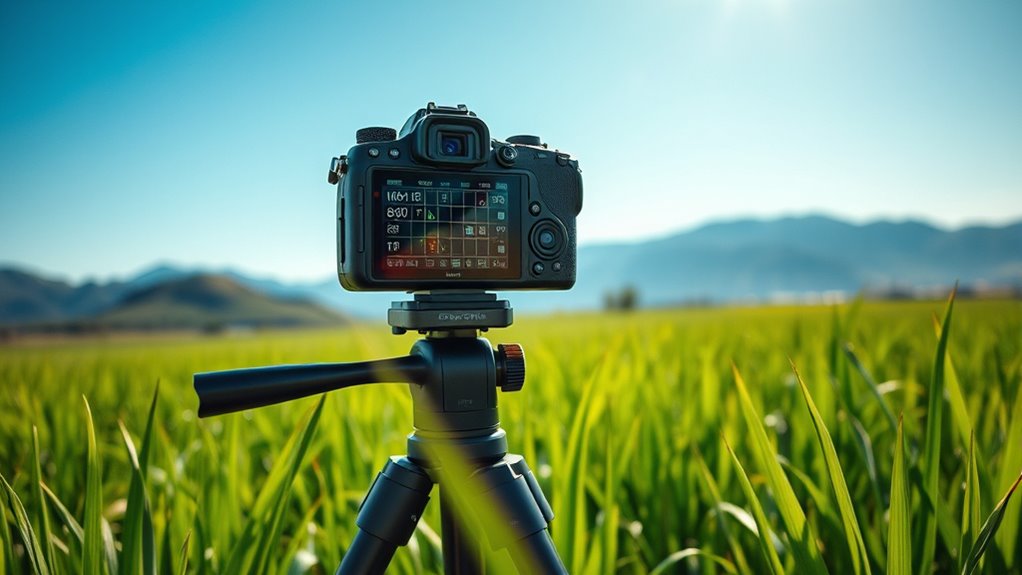
Pixel shifting is a technique used to improve image resolution by slightly moving the camera or sensor between shots. This process relies on precise sensor calibration, ensuring each movement aligns correctly for maximum detail capture. By capturing multiple images with tiny shifts, the camera gathers more pixel data than a single shot, resulting in a higher-resolution image. The key is that the sensor’s calibration allows it to accurately register each movement, preventing blurring or misalignment. When combined, these images merge to produce a sharper, more detailed picture than possible with standard photography. Basically, pixel shifting leverages controlled sensor movements to boost image resolution, giving you more clarity and finer detail in your final image without the need for higher megapixel sensors. Additionally, understanding sensor calibration is crucial for achieving optimal results with pixel shifting techniques. Proper calibration ensures that each shifted image aligns perfectly during merging, which is essential for image quality and clarity. Maintaining sensor stability throughout the process also helps prevent artifacts and ensures the best possible sharpness in the final image. Furthermore, advancements in AI-powered image processing are increasingly enhancing the effectiveness of pixel shifting by improving image merging accuracy.

XHF 120 PCS Adhesive Cable Wire Clips Black, Outdoor Christmas Light Clips, Cable Management Wire Organizer Cord Holder for Under Desk, Car, Wall, TV PC Ethernet Cable
- High quality material:XHF Adhesive Cable Clips are manufactured...
- Widely used: USB Cable, Ethernet Cable, Outdoor...
- Size: Base 5/8" x 5/8", inner...
As an affiliate, we earn on qualifying purchases.
Common Types of Camera Systems That Support Pixel Shifting

Many modern camera systems are designed to support pixel shifting, making it easier for you to capture ultra-high-resolution images. These systems often feature advanced sensor types, such as full-frame or medium-format sensors, that can handle the precise movements needed for pixel shifting. Compatibility issues are common if your camera’s firmware or hardware isn’t compatible with the pixel-shifting technology, so it’s crucial to check your model’s specifications. Mirrorless cameras and high-end DSLRs frequently support pixel shifting because their sensor stabilization and electronic controls facilitate the process. However, not all sensors are compatible, especially older models or those with limited control options. Before investing, confirm your camera system explicitly supports pixel shifting to avoid disappointment. Additionally, understanding the sensor technology involved can help you determine the effectiveness of pixel shifting on your device. Knowing the software compatibility options can further enhance your experience with this feature, especially when considering firmware updates that may unlock new capabilities. Proper calibration and sensor precision are also important to achieve optimal results with pixel shifting.

120PCS XHF Adhesive Cable Wire Clips White, Cable Staples Outdoor Cable Management Wire Organizer Cord Holder for Under Desk, Car, Wall, TV PC Ethernet Cable
- High quality material:XHF Adhesive Cable Clips are manufactured...
- Widely used: USB Cable, Ethernet Cable, Outdoor...
- Size: Base 5/8" x 5/8", inner...
As an affiliate, we earn on qualifying purchases.
Step-by-Step Guide to Setting Up Pixel Shifting on Your Camera
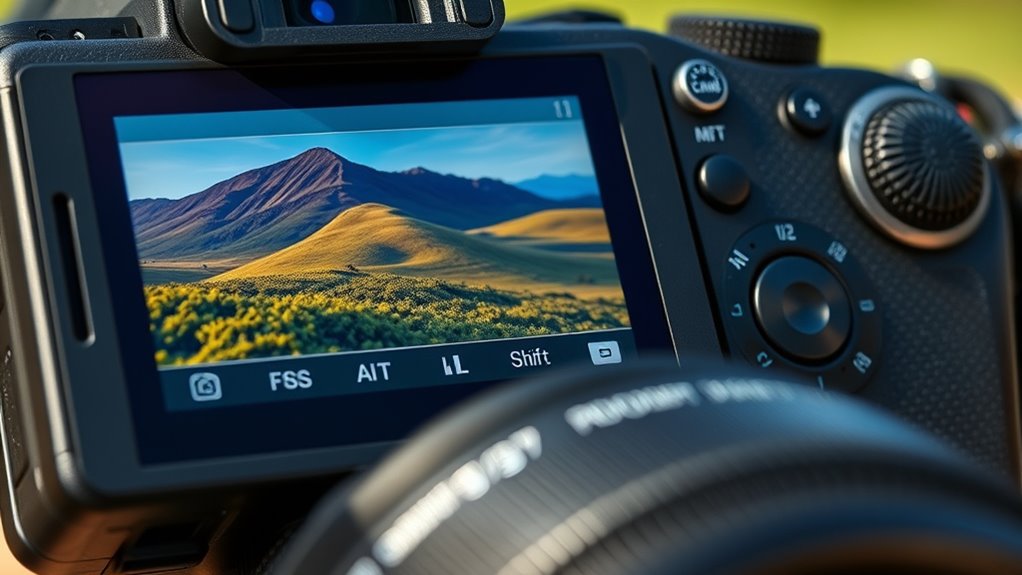
To set up pixel shifting on your camera, start by accessing the menu system and locating the image stabilization or shooting mode options. Enable the pixel shifting feature, then proceed to calibrate the sensor for best performance. Proper sensor calibration guarantees accurate pixel shifts and image quality. Next, follow these steps:
- Activate the pixel shifting mode in your camera’s menu
- Use the dedicated sensor calibration tool if available
- Lock your camera on a stable tripod to prevent movement
- Adjust image stabilization settings to minimize vibrations
- Confirm that the camera performs a test shift sequence
- Remember that consistent testing and calibration improve overall image sharpness and reliability essential for effective pixel shifting. Additionally, understanding the sensor calibration process can significantly enhance the accuracy of pixel shifts. This process helps guarantee precise sensor calibration, essential for effective pixel shifting. Keep in mind, stable mounting and correct image stabilization settings are vital for achieving sharp, high-resolution images. Regularly reviewing your camera settings ensures optimal performance in various shooting conditions. Incorporating knowledge of remote hackathons can also inspire innovative approaches to camera setup and calibration techniques.

ViewSonic PX700HDH 3700 Lumens 1080p Projector, High Brightness and Supercolor Technology for Smooth Home Entertainment, 1.1x Optical Zoom, and Vertical Keystone for Flexible Setup, and Dual HDMI
- Full HD Home Theater Projector: FHD (1920x1080p) resolution with a...
- Designed for Fast Paced Content: A low 16ms input latency...
- Vibrant Colors & High Contrast: 22,000:1 dynamic contrast ratio and...
As an affiliate, we earn on qualifying purchases.
Best Practices for Capturing Sharp, Accurate Images With Pixel Shifting

To get the best results with pixel shifting, you need to keep your camera steady and avoid any movement. Make sure your exposure settings are correct to prevent blur and guarantee accurate colors. After capturing, use thoughtful post-processing to fine-tune your images without introducing artifacts. Additionally, understanding the importance of fatherly guidance helps in appreciating the value of careful technique and attention to detail in photography. Recognizing the significance of tuning techniques from vehicle modifications can also inspire a meticulous approach to your photography workflow. Being aware of store hours and planning your shoots accordingly can ensure you have ample time and the right environment for optimal results, especially considering the varying hours today of nearby stores to coordinate your outdoor shoots. Moreover, staying informed about AI vulnerabilities can help you understand potential risks in emerging technologies that may influence your equipment or post-processing tools.
Stabilize Your Camera
Ensuring your camera stays perfectly still is crucial for achieving sharp, accurate images with pixel shifting. Camera stabilization minimizes movement that can blur details and compromise image sharpening. To keep your camera steady, consider using:
- A sturdy tripod or monopod
- A remote shutter release or timer
- Image stabilization features in your camera or lens
- A stable, flat surface
- Avoiding touch when pressing the shutter
Using these techniques helps prevent unintended shifts during capture. Proper stabilization ensures each pixel shift aligns precisely, resulting in sharper, more detailed images. Keep in mind that even small movements can reduce image quality, so double-check stability before shooting. Camera stability is the foundation of successful pixel shifting, maximizing the technique’s potential for crisp, accurate results.
Use Proper Exposure Settings
Once your camera is stable, setting the right exposure parameters becomes key to capturing sharp, accurate images for pixel shifting. Proper exposure ensures your sensor calibration is spot-on, minimizing noise and preventing loss of detail. Adjust your ISO to the lowest setting to enhance image clarity and reduce grain. Use a narrow aperture to increase depth of field, ensuring all parts of your scene are in focus. Keep your shutter speed fast enough to prevent motion blur, especially if there’s any slight camera movement. Accurate exposure directly impacts color accuracy, making post-processing easier and more effective. Take a few test shots to verify exposure settings before capturing your sequence. Additionally, understanding camera sensor calibration can help you fine-tune your settings for optimal results. Proper air quality in your shooting environment can also influence image clarity, especially in enclosed spaces. Maintaining good lens cleanliness is essential to avoid unwanted spots or haziness that can affect image sharpness. Following proper camera maintenance routines can further ensure your equipment performs at its best, resulting in higher-quality pixel-shift images with true-to-life colors. Well-calibrated exposure settings lay the foundation for high-quality pixel-shift images with true-to-life colors.
Post-Process Thoughtfully
Careful post-processing is essential to fully realize the benefits of pixel shifting. First, verify your sensor calibration is accurate; misaligned calibration can introduce artifacts. Use image stabilization features during editing to reduce slight motion blur and improve sharpness. When aligning your images, pay close attention to pixel shifts to avoid ghosting or misregistration. Consider applying minor noise reduction carefully, as pixel shifting enhances detail but can accentuate noise. Lastly, review your final image for color accuracy and sharpness, making adjustments as needed. Proper post-processing maximizes the high-resolution potential of pixel shifting, guaranteeing your images are both sharp and true to life. Remember, meticulous editing is the key to unlocking the full advantage of this technique.
Processing and Combining Pixel-Shifted Images for Optimal Results

To get the best results from pixel shifting, you need to carefully process and combine the images it creates. Start with sensor calibration to correct any alignment issues before stacking. Accurate calibration ensures each pixel is precisely aligned, which is vital for high-quality results. Use image stacking software to merge your images, which helps reduce noise and improve detail. When combining images, pay attention to color consistency and exposure differences. Here’s a quick overview:
| Step | Key Action | Purpose |
|---|---|---|
| Sensor Calibration | Correct alignment errors | Precise pixel matching |
| Image Stacking | Merge multiple images | Enhance detail, reduce noise |
| Color Adjustment | Match tones across images | Consistent colors |
| Final Touches | Sharpen and fine-tune images | Best visual quality |
Limitations and Challenges of Using Pixel Shifting Techniques

Pixel shifting can be tricky because even small misalignments may cause noticeable artifacts. It also demands more processing time, which can slow down your workflow. Plus, applying this technique in real-time scenarios often isn’t practical due to these limitations.
Alignment Sensitivity Issues
While pixel shifting can greatly improve image detail, it’s highly sensitive to alignment issues that can compromise your results. Minor misalignments can lead to color inaccuracies and distortions, especially if your sensor calibration isn’t perfect. When your images aren’t precisely aligned, you risk introducing artifacts or blurring details. This sensitivity demands meticulous handling during the process.
Consider these challenges:
- Slight shifts causing color fringing
- Sensor calibration errors affecting alignment
- Movement from handheld shots disrupting precision
- Variations in focus during multiple shots
- Difficulties in maintaining consistent exposure across frames
Addressing these issues requires careful setup and stabilization. Otherwise, the benefits of pixel shifting may be overshadowed by the need for extensive post-processing to correct misalignments.
Increased Processing Time
Using pixel shifting techniques often leads to considerably increased processing times, which can be a major hurdle for many users. This is mainly because multiple images need to be captured and combined, requiring substantial computing power. Noise reduction becomes more demanding, as the process must differentiate between actual details and noise across several frames. Additionally, image stabilization during the capture phase is essential to make certain of alignment, but it adds to processing complexity. These factors result in longer wait times and higher resource consumption, making pixel shifting less practical for quick workflows or real-time applications. If you’re working with limited hardware or tight deadlines, the increased processing time could outweigh the benefits of higher resolution and improved detail.
Limited Real-Time Application
The increased processing times associated with pixel shifting considerably hinder its application in real-time scenarios. Achieving seamless results requires precise sensor calibration to align images accurately, which adds to processing demands. Additionally, effective image stabilization becomes more complex because even minor vibrations can disrupt the pixel-shifting process. This technique struggles in dynamic environments where quick adjustments are necessary. You’ll find that:
- Real-time feedback is limited due to latency
- Maintaining calibration over time is challenging
- Rapid scene changes cause misalignment
- Hardware must handle intensive computations
- Synchronizing with image stabilization systems is difficult
These factors make pixel shifting less suitable for live video or fast-paced photography, restricting its use mainly to static or controlled environments.
Comparing Pixel Shifting to Other Image Enhancement Methods
Pixel shifting stands out by directly increasing image resolution through precise camera or sensor movements, but it’s just one of many enhancement methods available. Unlike software-based techniques, pixel shifting can improve color accuracy by capturing multiple samples, resulting in more vibrant and true-to-life colors. It also reduces noise more effectively since it averages data across multiple frames, leading to cleaner images. Other methods, like digital sharpening or upscaling, can boost perceived detail but often introduce artifacts or distortions. Noise reduction algorithms can help, but they may soften details or compromise color fidelity. Overall, pixel shifting offers a unique advantage by physically capturing higher quality data, making it especially valuable when accurate color reproduction and noise control are priorities.
Practical Applications and Creative Uses of Pixel Shifting
Because of its ability to enhance image quality through precise sensor movements, pixel shifting finds practical applications across various fields. It’s especially valuable for achieving superior color accuracy and consistent results, provided your sensor calibration is spot-on. Creative photographers use pixel shifting to produce stunning, high-detail images for fine art or commercial work. In product photography, it ensures true-to-life colors and sharp details. Researchers and scientists benefit by capturing highly accurate, color-accurate images for analysis. Additionally, museums and archivists utilize pixel shifting to create detailed reproductions of artwork.
Pixel shifting enhances image quality and color accuracy across diverse fields with precise sensor calibration.
- Improving color fidelity in professional portraits
- Producing high-resolution landscape images
- Documenting artworks with precise color reproduction
- Capturing detailed textures for scientific research
- Enhancing macro photography with sharp details
Tips for Troubleshooting and Getting the Most Out of Pixel Shifting

To get the best results from pixel shifting, troubleshooting common issues and fine-tuning your setup is key. Start by double-checking your camera calibration; misaligned settings can cause blurring or ghosting in your images. Verify your camera is steady and stable during capture, as even slight shifts can affect color accuracy. If colors appear off, revisit your color calibration process, adjusting white balance and color profiles to match your workflow. Use consistent lighting conditions to prevent inconsistencies that undermine pixel shifting accuracy. Keep your software updated, and confirm that your image alignment settings are optimized for your specific camera and lens combination. Regularly reviewing and adjusting these factors will help you maximize detail, maintain color fidelity, and troubleshoot issues effectively.
Frequently Asked Questions
Can Pixel Shifting Be Used With Real-Time Video Recording?
Yes, you can use pixel shifting with real-time video recording. By leveraging sensor stabilization and precise image alignment, pixel shifting techniques can enhance video quality, especially for high-resolution outputs. Although challenging, some cameras incorporate real-time pixel shifting to improve detail and reduce noise. Keep in mind that this process requires advanced stabilization and fast processing, but it’s definitely possible to apply pixel shifting effectively during live recording sessions.
How Does Pixel Shifting Affect Battery Life and Storage?
Pixel shifting can increase battery consumption because it requires additional processing power, which drains your device’s battery faster. It also impacts storage because the stabilized images or videos may be larger in file size due to extra data for the shifting effect. You might notice shorter recording times and larger files, so plan accordingly. Keep an eye on your device’s battery and storage capacity to guarantee smooth recording with pixel shifting enabled.
Is Specialized Software Required to Process Pixel-Shifted Images?
You don’t necessarily need specialized software to process pixel-shifted images, but your choice depends on your software requirements and compatibility considerations. Many popular photo editing programs support pixel-shifted images, allowing you to merge and enhance them easily. However, some advanced features may require dedicated software or plugins. Always check your software’s compatibility with pixel-shifted formats to guarantee smooth processing and ideal results.
Can Pixel Shifting Be Integrated With Smartphone Camera Systems?
A picture is worth a thousand words, and yes, you can integrate pixel shifting with your smartphone camera. Modern smartphones with sensor stabilization and advanced image alignment technology make this possible. While some specialized software helps refine images, many phones now have built-in features that enable pixel shifting. Keep in mind, achieving the best results depends on your device’s hardware and software capabilities, so explore your phone’s settings to access this feature.
What Are the Best Lighting Conditions for Effective Pixel Shifting?
You should shoot pixel shifting photos in well-lit conditions, preferably with ample natural light or controlled artificial lighting. Bright lighting guarantees your camera’s exposure settings can be optimized for sharpness and detail. Avoid low-light environments, as they can cause noise and reduce the effectiveness of pixel shifting. Use a steady tripod and set a longer exposure if needed, but make sure your lighting remains consistent to get the best results.
Conclusion
Now that you’ve revealed the secrets of pixel shifting, you’re armed to turn your camera into a precision instrument. Think of it as fine-tuning a musical instrument—every note sharper, clearer, more vibrant. With practice, you’ll craft images that leap off the screen like vivid dreams come to life. Embrace these techniques, and watch as your photography transforms into a symphony of detail—truly a masterpiece waiting to be captured.